

The degree of our experience of self-esteem in relationships shapes how we interpret closeness, conflict, and communication. When someone feels grounded in their worth, they approach connection with more openness and emotional safety. When self-esteem is fragile, even neutral interactions can feel threatening or personal.
Our earliest relationships teach us what to expect from others. Supportive environments help us internalize the belief that we are worthy of care. Critical or inconsistent environments often create narratives like “I’m too much” or “Love is conditional.” These beliefs follow us into adulthood and influence how we show up with partners.
This article is part of a series. To start from the beginning, visit How to Build Healthy Self-Esteem: Introduction to the Self-Esteem Series.

Self-Esteem in Relationships: Secure Attachment
Healthy self-esteem supports secure attachment. It allows us to trust that relationships can withstand conflict, repair, and difference. With stable self-worth, we can set healthy boundaries, express needs clearly, and tolerate discomfort without assuming the relationship is at risk.
When self-esteem is strong, conflict becomes information as opposed to being a threat.
People with stable self-worth can navigate misunderstandings without spiraling into self-blame or fear of abandonment.
This creates a foundation of emotional safety that benefits both partners.
Low Self‑Esteem in Relationships
One of the most common signs of low self-esteem in relationships is struggling to believe reassurance.
Even when a partner offers warmth or validation, it may not fully land. This often leads to repeated requests for confirmation out of fear that love is fragile.
People with low self-esteem often try to maintain connection by over-performing. They may anticipate needs, avoid conflict, or suppress their own preferences. While this can create temporary harmony, it eventually leads to exhaustion, resentment, or feeling unseen.
Low self-esteem can heighten sensitivity to perceived rejection. A delayed text, a neutral tone, or a partner’s need for space may trigger anxiety or self-doubt. This response is often rooted in past experiences where emotional safety was inconsistent.
Some become emotionally dependent when their self-worth feels unstable. A partner becomes the primary source of validation, creating pressure on the relationship. This dynamic can make it difficult to set boundaries, express needs or leave unhealthy situations. People may fear being seen as demanding or burdensome, so they stay silent.
Eventually, this can create misunderstandings and unmet needs, reinforcing the belief that they don’t deserve support.
Self‑Esteem in Relationships Strengthens Connection
Healthy self-esteem in relationships creates a sense of internal steadiness. When people feel grounded in their worth, they don’t interpret every shift in tone or mood as a sign of danger. This steadiness allows them to stay present during conflict, listen more openly, and respond rather than react.
Emotional safety grows when both partners trust that disagreements won’t threaten the relationship.
People with healthy self-esteem communicate more directly because they don’t fear that expressing needs will push others away. They can say, “I feel overwhelmed and need a break,” or “I’d like more quality time,” without assuming these requests make them difficult. This reduces misunderstandings and helps partners respond with empathy rather than guesswork.
Boundaries are essential for relational well-being, but they require a sense of self-worth to uphold.
When self-esteem is strong, boundaries feel like an act of respect rather than a risk. People can say no without guilt, ask for space without fear, and protect their emotional energy without worrying that they’ll lose connection. These boundaries create a more balanced, sustainable relationship dynamic.
Every relationship experiences challenges or conflict. What matters is the ability to resolve them when they surface. Healthy self-esteem reduces defensiveness and allows individuals to acknowledge their part, listen to their partner’s experience, and work toward understanding. This strengthens trust and reinforces the belief that the relationship can withstand challenges.
When people feel secure in themselves, they show up authentically. They don’t hide their quirks, minimize their needs, or perform a version of themselves to maintain connection.
This authenticity invites deeper intimacy and helps both partners feel seen and valued for who they truly are.
How Relationships Influence Self‑Esteem
Self-esteem in relationships evolves through daily interactions. Supportive relationships reinforce self-worth, while critical or unpredictable relationships can erode it.
This feedback loop means that the quality of our connections directly shapes how we feel about ourselves, and how we feel about ourselves shapes how we behave in those connections.
When partners respond with consistency, empathy, and curiosity, they help reinforce the belief that we are worthy. Being listened to, having feelings validated, receiving comfort during stress are experiences that accumulate and help us to rebuild internal narratives and support healthier relationship patterns.
Relationships marked by criticism, emotional withdrawal, or unpredictability can weaken self-esteem.
Even subtle patterns such as sarcasm, minimizing feelings, or inconsistent affection can create self-doubt.
Individuals may internalize these experiences as evidence that they are difficult, unlovable, or “too much,” even when the issue lies in the relationship dynamic rather than their character.
Self-Esteem in Relationships: Nervous System Regulation
Humans regulate their nervous systems through connection. When a partner offers calm presence, steady tone, or gentle reassurance, it helps soothe stress responses. This co-regulation strengthens emotional resilience and supports healthier self-esteem.
Conversely, relationships filled with tension or unpredictability can keep the nervous system in a state of vigilance, making it harder to feel secure.
Every relationship either reinforces old narratives or helps rewrite them.
Someone who grew up believing they had to earn love may unconsciously choose partners who confirm that belief. Or they may, with support, learn to trust a healthier dynamic.
Relationships have the power to challenge long-held assumptions about worthiness, safety, and belonging.
Understanding how relationships influence self-esteem empowers people to make intentional choices.
They can seek out healthier dynamics, communicate more openly, and challenge patterns that no longer serve them. This awareness can become the foundation for relationships that support emotional safety and secure attachment.
Strategies to Strengthen Self‑Esteem in Relationships
Many people carry long‑standing beliefs shaped by early experiences. These thoughts can influence how they show up in relationships.
Becoming aware of their impact is the first step toward change.
When a person notices a familiar thought pattern, they can pause and ask: “Is this coming from the present moment, or from an old story?” This awareness helps loosen the grip of outdated beliefs.
Self-esteem grows through evidence. When people follow through on small commitments such as resting when tired, speaking up when something feels off, or honoring personal limits, they build trust in themselves. These small acts create a sense of internal reliability that supports healthier relationship patterns.
Healthy Boundaries and Self-Esteem in Relationships
Healthy boundaries are essential for emotional safety.
They protect energy, help to set clear expectations, and prevent resentment. Boundaries don’t have to be harsh and can be expressed with warmth. Statements like “I need a little time to process before we continue this conversation” or “I can help with this, but not with that” reinforce self-worth while maintaining connection.
Conflict is inevitable, and can be uncomfortable, but our ability to successfully resolve conflict is one of the keys to intimacy.
When partners can revisit a difficult moment thoughtfully, asking questions such as “What came up for you?” or “What did you need that you didn’t get?” they create a safe space for healing.
These conversations help both partners feel seen and valued, reinforcing the belief that the relationship can withstand challenges.
Habits like checking in regularly, expressing appreciation, or pausing during tense moments can reinforce a foundation of emotional safety. When partners intentionally practice these habits, they support each other’s self-esteem and strengthen secure attachment.
Self-Esteem in Relationships: When Professional Support Can Help
Some relationship patterns are rooted in long-standing wounds or trauma. When someone notices recurring cycles such as fear of abandonment, difficulty trusting reassurance, or chronic self-doubt, it may be a sign that deeper support is needed.
Professional guidance can help uncover the origins of these patterns and offer tools for healing.
Therapists can help individuals explore the beliefs that shape their self-esteem in relationships. Through the therapeutic process, people can learn to identify triggers, understand emotional responses, and develop healthier coping strategies. Therapy also provides a safe space to practice communication skills, boundary-setting, and emotional regulation.
When both partners are willing, couples therapy can be a powerful tool. It helps partners understand each other’s histories, nervous system responses, and emotional needs. With guidance, couples can learn to communicate more effectively, resolve difficulties more quickly, and create a shared sense of emotional and psychological safety.
For individuals whose relationship patterns stem from trauma, specialized support may be especially helpful. Trauma-informed therapy can address hypervigilance, emotional reactivity, and attachment wounds in a way that feels safe and empowering. This work often leads to more stable self-esteem and healthier relational dynamics.
Self-Esteem in Relationships is Dynamic
Self-esteem in relationships is dynamic. It shifts with experiences, interactions, and the stories people tell themselves. This means it can grow, strengthen, and heal over time. No one is stuck with the patterns they learned early in life.
Relationships reflect back the beliefs people hold about themselves. They also offer opportunities to challenge those beliefs. When partners respond with empathy, consistency, and curiosity, they help each other rewrite old narratives and build healthier patterns of connection.
Self-esteem grows through everyday actions such as speaking honestly, setting boundaries, cultivating resolution of conflict, and choosing relationships that support emotional safety.
These choices create a foundation for secure attachment and deeper intimacy.
Every person deserves relationships that reinforce their worth.
By understanding how self-esteem shapes connection and how connection shapes self-esteem we can learn to approach ourselves and our partners with more compassion. This awareness becomes the starting point for building relationships that feel safe, supportive, and deeply nourishing.
Additional Resources
The next installment in the Self-Esteem Series is How to Overcome Limiting Beliefs: Learning to Revise Identity Scripts. Future segments will be published on the remaining Tuesdays and Thursdays in the month of March.
Other Kindness-Compassion-and-Coaching.com resources you may find helpful include Self-Esteem Activities: How to Restore Self-Worth Now and 20 Best Affirmations to Build Self-Esteem: How to Recover from a Toxic Relationships Now.
Thank you as always for reading.
Affiliate Disclosure: Some links in this post are affiliate links. As an Amazon Associate, we earn from qualifying purchases. Thank you for supporting Kindness-Compassion-and-Coaching.com at no extra cost to you.

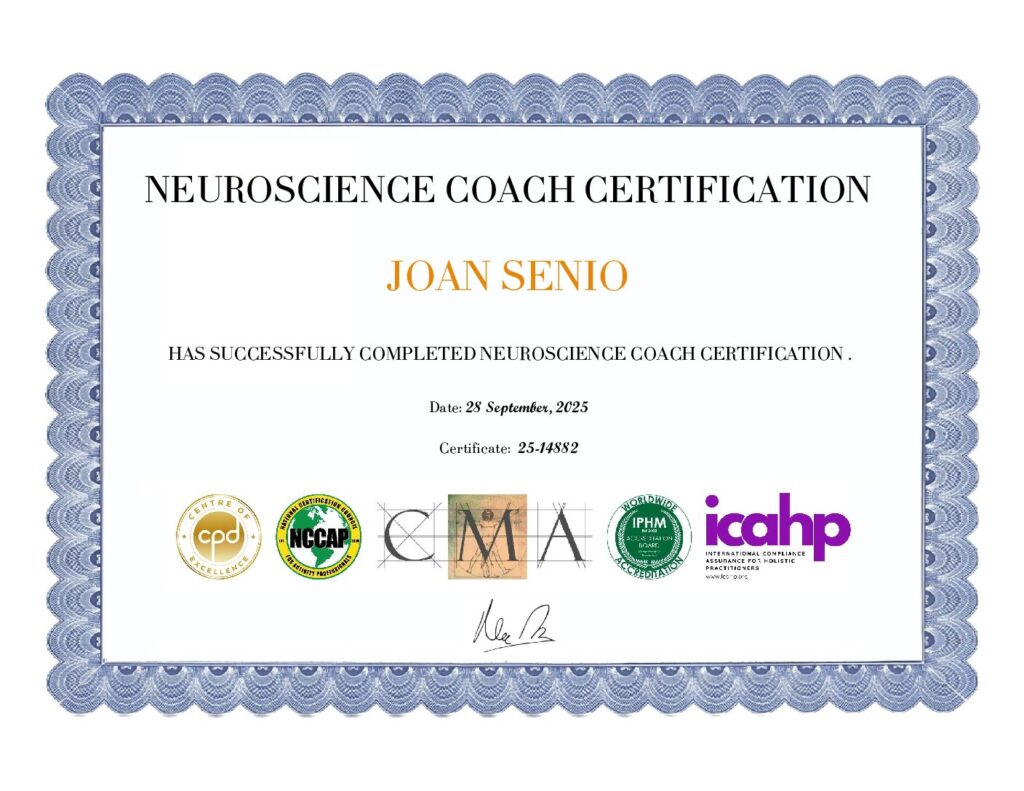
Joan Morabito Senio is the founder of Kindness-Compassion-and-Coaching.com. Joan’s career includes clinical healthcare plus 20+ years as an executive in a nationwide health care system and 15 years as a consultant. The common threads throughout Joan’s personal and professional life are a commitment to non-profit organizations, mental health, compassionate coaching, professional development and servant leadership. She is a certified Neuroscience Coach, member of the International Organization of Life Coaches, serves as a thought-leader for KuelLife.com and is also a regular contributor to PsychReg and Sixty and Me. You can read more about Joan here: Joan Senio.




No Responses