

Today, we explore self-esteem activities crafted to help you reclaim your sense of worth when life has left you feeling alone, uncared for, and unworthy. You’ll find practical exercises designed to meet you exactly where you are and guide you toward a more empowered, self-assured you.
We share concepts to help you understand how low self-esteem builds within us – and proven strategies and self-esteem activities that will help you overcome and restore your confidence.
We also demonstrate how the quiet but resilient power of self-love and the soothing embrace of self-compassion can help you cultivate unshakable self-esteem from the inside out.
Table of Contents
- 1. A Story to Set the Stage
- 2. What Is Self-Esteem?
- 3. Self-Worth and Self-Efficacy
- 4. Underlying Causes of Low Self-Esteem
- 5. Addressing Low Self-Worth and Self-Efficacy
- 6. Cultivating Self-Love and Self-Compassion
- 7. Harnessing the Power of Self-Worth
- 8. Daily Self-Esteem Activities
- 9. Recommended Tools to Deepen Self-Love
- 10. Coaching for Growth
- 11. Practical Tools and Resources
- 12. Crafting Your Plan
- 13. Frequently Asked Questions about Self-Esteem Activities
- 14. Wrap Up, Next Steps, Call to Action
1. A Story to Set the Stage
I remember walking into my childhood home after school, my palms sweaty and my heart still hammering from a presentation I’d had to give in front of my class, and of course, the usual teasing on the bus ride home. The house was empty, but that didn’t really matter. Even when others came home, no one would ask how the presentation went, or would even remember that it had happened. And no one knew about the constant bullying I was having to deal with at school.
You see, I tried as hard as I could to be invisible. To not cause problems. To just be quiet and fade into the background.
As an adult, I doubted every success and relentlessly pursued perfection because my experience told me that my effort and outcomes were never good enough; that approval and love were conditional and had to be earned. It took years to realize what was actually driving me, and more years still to realize the underlying causes of it.
If you can relate to any of this – this post is for you.
In a hurry? Take our Quick Quiz: Do You Have Low Self-Esteem?

Photo Credit
2. What Is Self-Esteem?
Self‐esteem is the confidence that you’re worthy of love, respect and kindness – first from yourself, then from the world around you. It’s not about arrogance or comparing yourself to others; it’s about holding an inner sense of value.
Even when you stumble or fail and even when life feels messy or uncertain.
When your self‐esteem is strong, you trust your voice, honor your needs and bounce back from setbacks because you know you deserve a second chance.
Learn More about the Psychology of Self-Esteem
3. The Dual Pillars: Self-Worth and Self-Efficacy
Self‐esteem rests on two intertwined pillars: self‐worth and self‐efficacy. Self‐worth is your deep‐down belief that you, simply by being you, deserve kindness, respect, and love. It’s the quiet conviction that your value isn’t up for debate, no matter what mistakes you make or how others may treat you.
Cultivating self‐worth means offering yourself compassion instead of criticism and recognizing that your inherent dignity isn’t earned by achievements but affirmed by your very existence.
The other pillar is self‐efficacy: your confidence in the ability to meet life’s challenges and reach meaningful goals. When you believe you can learn, adapt, and grow, you’re more willing to try new things, take healthy risks, and celebrate progress. Self‐efficacy thrives when you set achievable steps, track small wins, and reflect on lessons learned. Over time each success cements your conviction that you can handle whatever comes your way.
The magic happens when self‐worth and self‐efficacy reinforce each other.
Feeling inherently worthy fuels the courage to take action, even if you’re uncertain of the outcome. At the same time, proving to yourself that you can solve problems and meet challenges strengthens your sense of worth.
4. Underlying Causes of Low Self-Esteem
Low self-esteem often takes root in the earliest relationships we experience. When caregivers respond inconsistently, offering praise one day and indifference the next, or set conditions on their love, we learn to tie our worth to performance instead of inherent value.
Harsh criticism, neglect, or unrealistic expectations in childhood teach us that mistakes are unforgivable, and approval must be earned.
Over time, these early messages create a fragile sense of self, where any perceived misstep feels like proof that we’re not “good enough.”
As we grow, cultural and social influences layer additional pressure onto our developing identity. From advertising to social media feeds, we’re constantly bombarded with images of “ideal” bodies, careers, and lifestyles.
When success stories are amplified and struggles remain hidden, it’s easy to believe that our flaws are unique instead of universal.
Personal traumas and life setbacks can also erode our self-esteem. Experiences like bullying, loss, or rejection rip away at our confidence, teaching us to brace for pain rather than trust in our resilience. Each negative encounter reinforces a narrative that we’re destined to fail or be abandoned.
Without opportunities to reframe those stories through compassionate support or self-reflection the wounds deepen, and a cycle of self-doubt solidifies.
Our own inner critic can also become a powerful force against us.
Perfectionism, once a driver for excellence, can spiral into relentless self-scrutiny: every goal unmet feels like a character flaw. Cognitive distortions such as overgeneralizing a single setback into “I always mess up” lock us into fixed, low-worth patterns.
Breaking free requires gentle awareness of these thought habits and the courageous decision to treat ourselves with the same kindness we’d extend to a friend.
By shining a compassionate light on these underlying causes, we begin dismantling them, step by small step.
5. Addressing Low Self-Worth and Self-Efficacy Through Self-Esteem Activities
Understanding the many factors that have chipped away at our self-worth provides essential groundwork for healing. But truly meaningful change does not happen until we pair this insight with action.
One of the most effective ways to recover and nurture healthy self‐esteem is through intentional self‐care activities. Whether it’s carving out twenty minutes each morning to journal your wins, moving your body in ways that feel joyful, or setting aside time for whatever soothes you, these acts send your subconscious a clear message: “I matter.”
Over time, these consistent rituals reshape your self‐perception, making it easier to treat yourself (and others) with warmth and respect.
Building self‐esteem is a lifelong journey. Including self‐care activities in your daily routine continuously reaffirms your worth. Every mindful breath, every moment of rest, every boundary honored is a gentle reminder that you deserve love, kindness and the full expression of all you can become.
Adding targeted self-esteem activities like reflective journaling can simultaneously soothe old wounds and build fresh evidence of our resilience and capabilities.
As you honor your inherent value and your capacity to act effectively, you create a self‐esteem that’s not fragile or fleeting but grounded in compassion and competence. Together, self-worth and self-efficacy form a resilient framework that supports lasting confidence, connection, and growth.
In the next sections, we’ll explore why and how cultivating self-love and self-compassion through concrete self-esteem activities enables us to nurture both our inherent value and our confidence in taking effective action.
6. Cultivating Self-Love and Self-Compassion
Self‐esteem grows out of the stories you tell yourself every day based on your life experiences. Low self-esteem arises when our self-talk is dominated by negative thoughts we have become accustomed to hearing if we have lived in an environment of neglect, abuse, or indifference.
They key is to begin to reverse this pattern.
Self-love is the radical act of embracing yourself (flaws, triumphs, and all) with unwavering kindness. It’s the realization that your needs, feelings, and dreams deserve attention and care, no matter what your inner critic insists.
When you anchor your self-esteem in genuine self-love, you create a compassionate shield against doubt and comparison.
This foundation invites you to move through life with curiosity, courage, and acceptance of your own humanity.

Photo Credit
Self-compassion is about acknowledging our imperfections without shame and responding with warmth instead of criticism. This shift rewires our emotional responses, so that setbacks become invitations for growth rather than proof of unworthiness.
Over time, consistently choosing self-compassionate self-talk becomes a powerful self-esteem activity in itself, reinforcing the belief that we deserve care and respect, no matter our flaws.
7. How to Harness Self-Love and Improve Self-Esteem
Cultivating both self-love and self-compassion lays the foundation for lasting improvements in our self-esteem.
It starts with simple things. To make an active effort to notice your strengths. Reframe a mistake as a lesson. Or speak gently to yourself when you feel down. These all begin to add up to a resilient sense of worth.
In fact, consistent kindness toward yourself actually builds neural pathways that reinforce safety, compassion and inner security, creating a foundation for healthier relationships, clearer boundaries and authentic expression.
As we deepen self-love, we also strengthen our resilience.
Compassionate self-reflection allows us to own mistakes, learn from them, and move forward with curiosity instead of condemnation. Pairing this compassionate mindset with goal-oriented self-esteem activities builds evidence of our competence and worthiness.
Ultimately, the power of self-love and self-compassion lies in their ability to unite our heart and mind.
By addressing the emotional wounds beneath low self-esteem and simultaneously engaging in nurturing self-esteem activities, we create a compassionate loop of healing and growth.
Each moment we choose kindness toward ourselves is a step away from shame and a stride toward a stronger, more confident self.
8. Daily Self-Esteem Activities for Growing Self-Love
Self-esteem activities that center on self-love and self-compassion begin with deliberate exercises designed to replace harsh self-judgment with kindness and understanding.
Drawing on the work of Dr. Kristin Neff, these practices often include:
- Guided meditations that cultivate mindful awareness of difficult emotions: Loving-kindness meditation: spend 5-10 minutes silently repeating phrases like “May I be safe, may I be happy, may I be free from suffering” while focusing on your breath.
- Mirror affirmations: each morning, look yourself in the eye and speak one self-loving statement such as “I deserve care” or “I am enough.
- Self-appreciation journaling: list three personal strengths or moments of kindness you showed yourself and others.
- Ritual of care: choose a simple act such as lighting a candle, brewing tea, or taking a walk and treat it as an unbreakable appointment with your worth.
- Creative expression break: Draw, dance, or journal nothing but praise; allow your body or pen to honor who you are without judgment.
- Compassionate letter writing: Write a short letter to the younger you, acknowledging past hurts, offering forgiveness for mistakes, and sharing words of comfort: “You mattered then, and you matter now.”
These self-esteem activities gently rewire old patterns of self-dismissal and build a lasting practice of honoring your inherent value.

Photo Credit
9. Recommended Tools to Deepen Self-Love
To deepen your commitment to the self-esteem activities above, consider integrating tactile, interactive, and immersive tools that make your practice feel more playful and tangible:
- Self-Compassion: The Proven Power of Being Kind to Yourself by Dr. Kristin Neff. Blends research and heartfelt exercises to help you break free from self-criticism.
- The Mindful Self-Compassion Workbook by Kristin Neff & Christopher Germer. Filled with guided reflections, worksheets, and practices to integrate self-compassion into everyday life.
- Awakening Self-Compassion Cards: 52 Practices for Self-Care, Healing, and Growth by Ann Saffi Biasetti. A portable deck of prompts and mini exercises.
- The Self-Compassion Skills Workbook: A 14-Day Plan to Transform Your Relationship with Yourself by Tim Desmond, LMFT. Two weeks of practical activities to rewire self-critical patterns.
- Radical Compassion: Learning to Love Yourself and Your World with the Practice of RAIN by Tara Brach. Combines the RAIN framework (Recognize, Allow, Investigate, Nurture) with real-world examples and meditations.
- Self-Care Activities for Women by Cicely Horsham-Brathwaite, PhD. 101 practical ideas to slow down, reconnect with yourself, and reinforce the message that you deserve care and attention.
- Self-Love Games & Activities by Isadora Baum. Word searches, mazes, and puzzles designed to boost happiness, resilience, and well-being.
- The Self-Esteem Thumball. An interactive, soft ball covered in self-esteem prompts. Toss it, catch it, and respond to the question under your thumb for an instant confidence boost.
Pair these with your daily self-esteem activities to make self-love a habit you’ll look forward to, and a practice that sticks.
10. Self-Esteem Activities: Coaching for Growth
Through simple self-esteem activities like those we have shared (reflective journaling prompts, grounding breathwork, and personalized affirmations, for example), you can begin to rewrite the inner narratives that say you’re not enough.
As you practice these self-esteem activities, you will start to lay down a ripple effect of confidence and resilience. Soon, you will discover that you bounce back faster from setbacks. Begin to build deeper connections. And feel able to pursue goals with curiosity and courage.
Understanding the root causes of our low self-esteem is important. But committing to self-esteem activities is the key to unlocking a life where you begin to feel capable, connected, and fully seen.
Adopting self-esteem activities as a fixed part of your life is like cultivating an inner ally; someone who sees your worth, guides you gently through setbacks, and celebrates every step toward a more empowered you.
11. Self-Esteem Activities: Practical Tools and Resources
Digital Tools & Apps: Turn your phone into a gentle accountability partner that nudges you toward self-esteem activities:
- Day One (iOS/Android): Private journaling app with reminders, photos, and tags to archive daily reflections.
- HabitBull or Streaks: Habit-tracking apps where you can log micro-commitments, e.g., two minutes of deep breathing, a mirror affirmation, or a gratitude list.
- Insight Timer: Free meditation library offering guided practices for self-compassion, confidence, and inner resilience.
Pair these tools with the self-esteem activities you’ve practiced so far. Just choose one that speaks to you. Over time, seeing your progress will fuel your confidence and keep you showing up for your own growth.
12. Self-Esteem Activities: Crafting Your Plan
Every transformation begins with intention and a clear roadmap. By intentionally scheduling your self-esteem activities, you turn hopeful ideas into real-life habits that honor your worth and fuel lasting confidence.
This plan meets you where you are and gives you simple, achievable steps to move forward with kindness and clarity.
Self-Esteem Activities: Step-by-Step Roadmap
- Assess Your Starting Point. Choose one reflective prompt (“When did I feel worthy this week?”); journal freely for five minutes to capture your baseline.
- Select 1-2 Self-Esteem Activities Weekly. Pick from journaling, mirror affirmations, or a grounding breath practice. Less is more: deep commitment to a few activities beats scattered effort.
- Block Daily Self-Compassion Breaks. Schedule two 3-5-minute pauses in your calendar. Use these for a soothing touch exercise or a quick compassion mantra to reset your inner dialogue.
- Set Gentle Coaching Check-Ins. Every evening, ask yourself one question (“What strength did I honor today?”); jot down your answer in a dedicated notebook.
- Review and Refine Monthly. At the end of each month, revisit your journal entries and trackers. Celebrate progress, note patterns that need tweaking, and recommit to the next month’s activities.
Tracking your journey turns abstract goals into visible milestones and gives you the proof you deserve that change is happening:
- Confidence Calendar. Color in each day you complete at least one self-esteem activity. Watching the mosaic of colors grow builds momentum.
- Mood & Worthiness Log. Rate your sense of self-worth on a 1–5 scale nightly, alongside one win from the day. Over time, patterns emerge that highlight growth.
- Ritual of Celebration. After every milestone (five completed breaks, four weeks of journaling, etc.) mark the occasion with a small treat: a favorite tea, a 10-minute dance break, or a handwritten note to yourself.
By including these steps and tracking tools into your life, your self-esteem activities will shift from being and occasional exercise to becoming a nurturing practice that you look forward to and that grows stronger every day.
13. Frequently Asked Questions about Self-Esteem Activities
What are self-esteem activities?
Self-esteem activities are intentional exercises designed to boost your confidence and cultivate self-love. They often include journaling prompts, positive affirmations, and self-compassion meditations that help you challenge negative self-talk.
How do self-esteem activities improve low self-esteem?
By regularly engaging in self-esteem activities, you replace self-criticism with kindness and understanding. Over time, these practices build emotional resilience, reinforce your strengths, and help you develop a more balanced, compassionate self-view.
What are some simple self-esteem activities to try?
- Write a daily gratitude list focused on your personal qualities.
- Craft and read aloud positive affirmations every morning.
- Journal a compassionate letter to yourself about recent struggles.
- Practice a five-minute self-compassion meditation before bed.
How often should I practice self-esteem activities?
Aim to incorporate at least one self-esteem activity into your daily routine. Consistency creates lasting shifts in how you view yourself.
Can I do self-esteem activities on my own, or do I need a group?
Many self-esteem activities work well solo, like private journaling or guided meditations. However, group workshops or buddy exercises (such as sharing affirmations) can add social support and accountability.
How long does it take to see results from self-esteem activities?
Most people notice small shifts in mood and self-talk within a few weeks of consistent practice. Lasting changes in self-esteem often emerge after several months of regularly engaging in these activities.
14. Self-Esteem Activities: Wrap Up, Next Steps, Call to Action
Learning to honor your worth doesn’t happen overnight; it happens one compassionate choice at a time.
Self-esteem activities and the tools we’ve shared will help to deepen your practice. If you’re still struggling, know this: every moment you pause to write a strength, repeat a kind phrase to yourself, or toss the Self-Esteem Thumb ball, you’re choosing recovery over doubt.
Pick one recommended resource to include in your life this week. Even five minutes of dedicated practice is a declaration that you matter.
Your journey toward unshakable confidence is within reach. Each self-esteem activity you complete, each tool you lean on, becomes a building block for lasting self-worth and self-efficacy. Recovery is not a distant promise; it’s already unfolding in every kind gesture you offer yourself.
You are and always have been enough, exactly as you are.
If you found this article helpful, you may want to check out Self-Worth Worksheet: An Easy Way to Strengthen Self-Esteem.
For more about how to build your self-confidence, check out How to Overcome Imposter Syndrome + Imposter Quiz and Workbook.
Neglecting yourself as you support others can erode your sense of self-worth and self-esteem. To learn more, visit Compassion Fatigue Recovery: How to Find Relief Now.
Thank you as always for reading.
Affiliate Disclosure: Some links in this post are affiliate links. As an Amazon Associate, we earn from qualifying purchases. Thank you for supporting Kindness-Compassion-and-Coaching.com at no extra cost to you.

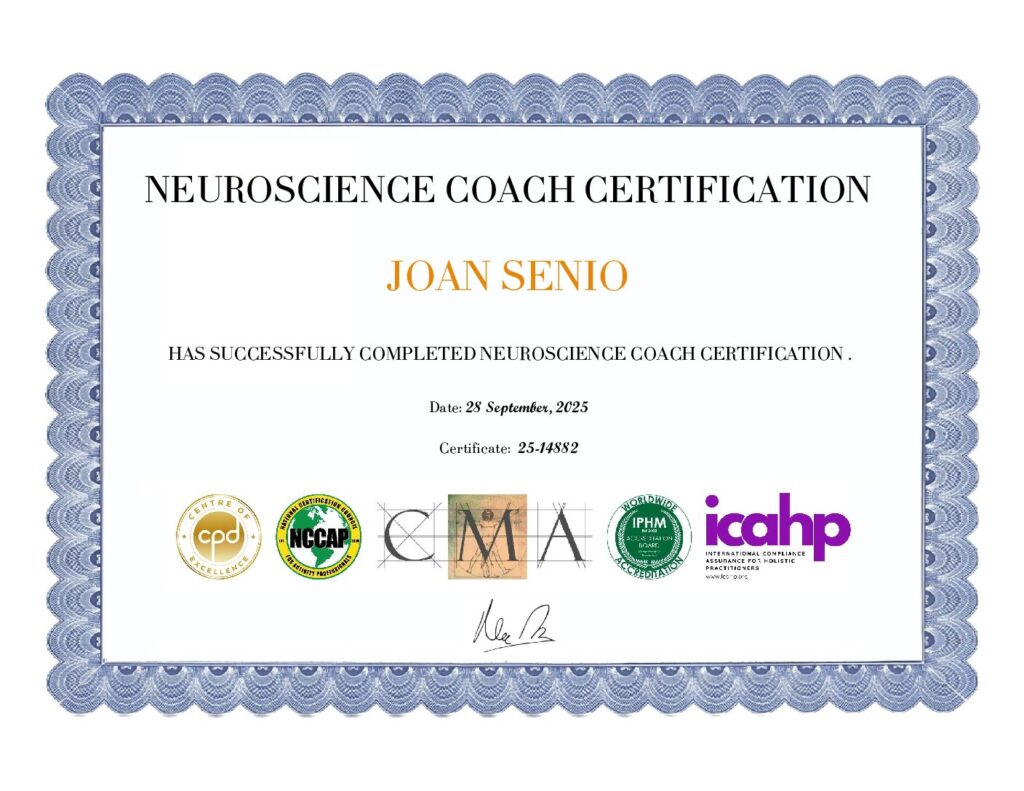
Joan Morabito Senio is the founder of Kindness-Compassion-and-Coaching.com. Joan’s career includes clinical healthcare plus 20+ years as an executive in a nationwide health care system and 15 years as a consultant. The common threads throughout Joan’s personal and professional life are a commitment to non-profit organizations, mental health, compassionate coaching, professional development and servant leadership. She is a certified Neuroscience Coach, member of the International Organization of Life Coaches, serves as a thought-leader for KuelLife.com and is also a regular contributor to PsychReg and Sixty and Me. You can read more about Joan here: Joan Senio.




One Response
Thank you so much, Lori. Your feedback means so much to me. I really appreciate it!