

We often frame self‑esteem as something that lives entirely within our thoughts, beliefs, or mindset. But the quality of our connections, the patterns we learned in childhood, the boundaries we set (or don’t set), and the ways others respond to our needs, emotions, and presence actually shape it. The term relational self-esteem refers to the specific dimension of self‑worth that emerges as a result of our interactions with others.
Today we explain how elements of relationships, including boundaries, reciprocity, and repair shape our sense of worth. We will also discuss how early relational patterns influence our adult relationships, and how we can rebuild relational self‑esteem through conscious, compassionate choices.
This article is part of a series. To start from the beginning, visit How to Build Healthy Self-Esteem: Introduction to the Self-Esteem Series.

What Is Relational Self‑Esteem?
Relational self‑esteem is the sense of worth we experience inside relationships, how we feel about ourselves when we are seen, heard, valued, and respected by others. It’s an interpersonal experience that emerges in the give‑and‑take of connection.
Individual self‑esteem answers the question “Do I like myself?”; relational self‑esteem answers “Do I feel worthy of care and reciprocity? “Is it okay for me to honor my own needs and limits?”
Patterns of interaction over time shape our relational self-esttem.
Relational self‑esteem becomes visible in many ways. Examples include:
- Whether we tolerate disrespect.
- How we show up with people (choosing either to bring our full, authentic self or to offer only a carefully edited version).
- The way we communicate needs and boundaries, and whether we decide to name them clearly or suppress them to maintain harmony.
- Our approach to conflict reflects relational self-esteem as well, showing whether we advocate for ourselves or give in quickly to avoid tension.
- After a mistake or misstep, it shows in whether we can ask for and receive repair or retreat into shame.
- The people we allow close to us expresses it too, as we either prioritize mutual, reciprocal relationships or settle for one‑sided dynamics.
Each of these moments is a test of whether we believe we deserve fair treatment and emotional reciprocity.
Relational Self-Esteem: The Impact of Others
The people around us can either strengthen or weaken our relational self‑esteem. Consistent reciprocity and respectful boundaries teach our nervous system and mind that we are worthy of care; repeated dismissal, exploitation, or emotional unpredictability teach the opposite.
Building relational self‑esteem involves practicing small, repeatable acts. Setting a boundary and noticing the outcome. Asking for what we need and tracking whether it is met. Choosing relationships that return our investment. These experiences accumulate into a felt sense of reliability.
Mother Wound Healing: How to Recover and Thrive Now
What Strong Relational Self-Esteem Looks Like
When relational self‑esteem is strong, we feel worthy of reciprocity, respect, and emotion. We expect others to meet us partway and tolerate honest feedback without collapsing. We take up appropriate space in relationships without shame.
That strength doesn’t eliminate conflict or disappointment, but it changes how we move through them. We are more likely to learn and to leave situations that consistently deny our dignity.
In short, relational self‑esteem is the lived confidence that we matter to others in ways that are real, reciprocal, and sustaining.
Why Relational Self‑Esteem Matters
Our sense of worth is shaped as much by relationships as by internal reflection.
Relational self‑esteem is the experience of feeling valued, respected, and met in the give‑and‑take of real interactions; it is how our worth shows up when we are seen, heard, and responded to by others.
Because relationships are the context in which we practice being ourselves, they become the laboratory where confidence is tested, learned, and either reinforced or eroded.
At a physiological level, the nervous system depends on co‑regulation (the way another person’s calm, attuned presence helps you downshift from alarm and access curiosity, judgment, and self‑soothing).
Repeated experiences of co‑regulation teach the body that vulnerability is survivable and that needs can be expressed without catastrophic consequence.
Over time those lessons become the foundation for stable self‑esteem. When our nervous system learns safety through others, our inner sense of reliability and competence grows.
Strengthening self-esteem requires tending to the people and patterns that shape our nervous system, our identity, and our habits of trust. Cultivating reciprocity and clear boundaries allows the social world to become a reliable teacher of worth rather than a source of doubt.
How to Heal the Father Wound: 5 Steps to Recovery
Emotional Safety as the Foundation of Relational Self-Esteem
Relational self‑esteem begins with emotional safety, the basic experience that our feelings, needs, and presence are welcomed rather than punished, dismissed, or ignored. Emotional safety is soil in which trust, agency, and a sense of worth can take root.
When people reliably respond with curiosity, respect, and steadiness, the nervous system downshifts from threat mode and the relational context becomes a training ground for believing that we matter.
Relationships feel predictable, attuned, repairable, respectful, and reciprocal when emotional and psychological safety is present.
- Predictability means responses are consistent enough that vulnerability feels less risky.
- Attunement means others notice and reflect your inner experience, so we feel seen.
- Repairability means ruptures are addressed and healed rather than ignored or weaponized.
- Respect and reciprocity mean our needs are taken seriously and exchanged rather than one‑sided.
Together these qualities create repeated experiences that teach the body and mind that we are safe enough to ask for what we need, and we are worthy of fair treatment.
When emotional safety is absent, relationships tend to feel chaotic, imbalanced, one‑sided and emotionally costly. It feels unsafe to be authentic.
Chaos and unpredictability force hypervigilance. Imbalance and one‑sidedness train people to deprioritize their own needs. When authenticity has been met with withdrawal, shame, or punishment, it feels risky. These patterns harden into expectations; expectations that make it harder to risk honesty, set boundaries, or expect reciprocity.
Childhood Patterns That Shape Relational Self‑Esteem
Early relationships forge our relational self‑esteem. The ways caregivers respond to a child’s bids for connection become the templates that teach what to expect from others and from oneself. These patterns are felt in the body and practiced in behavior. They shape whether a person grows up believing they are worthy of care, reciprocity, and respectful boundaries.
When caregivers respond with attunement and predictability, children internalize messages that support relational self‑esteem. They learn “My needs matter,” “I am allowed to take up space,” “I can trust others,” and “I deserve reciprocity.”
Those lessons show up as confidence in asking for help, naming limits, and expecting fair give‑and‑take; they create an expectation that relationships will be a source of regulation and growth rather than threat.
By contrast, when caregivers are inconsistent, critical, or emotionally unavailable, children form very different beliefs about connection. They learn “I must earn connection,” “My needs are inconvenient,” “I must stay small to stay safe,” and “I am responsible for others’ emotions.” These internalized scripts push people to prioritize others’ comfort over their own needs, to hide vulnerability, and to tolerate one‑sided dynamics, patterns that steadily erode relational self‑esteem.
Those early beliefs they shape expectations, choices, and habits in adult relationships and form the foundation of our relational self-esteem.
When we begin to recognize messages both the supportive and damaging messages we were taught, we have found the starting point for change.
New relational experiences, consistent reciprocity, and intentional boundary work can rewrite those early templates and rebuild a sense of worth that is lived inside connection.
How Old Roles Shape Relational Self-Esteem
Old roles learned in childhood become automatic ways of relating that quietly steer adult relationships.
These identity scripts (like “the responsible one,” “the peacekeeper,” “the helper,” or “the one who doesn’t need anything”) were adaptive solutions to specific family dynamics, but they persist as default modes of behavior.
In adulthood they show up as predictable patterns. Who takes charge in a crisis or who smooths over conflict. Who sacrifices personal needs to keep the peace and who refuses help even when overwhelmed. Because these roles are practiced repeatedly, they feel reliable and true, even when they no longer serve our wellbeing.
The Responsible One
When we carry the responsible one script into adult relationships, we become the default problem‑solver and organizer. Others come to expect our competence and availability, which can feel flattering at first but eventually leads to exhaustion and resentment. We may avoid asking for help because doing so would threaten the identity that has earned us approval. We may judge ourselves harshly when we fail to meet the high standards you’ve internalized.
The Peacekeeper
The peacekeeper script trains us to prioritize harmony over honesty. In practice this means smoothing conflict, minimizing your own needs to avoid escalation, and taking responsibility for other people’s emotional states. While peacekeeping can preserve short‑term calm, it also prevents real issues from being addressed and teaches others that your discomfort is negotiable. In adult relationships this role often produces passive‑aggressive dynamics, unspoken resentments, and a chronic sense of being unseen.
The Helper
As the helper, you derive worth from usefulness: you step in to fix, advise, or rescue. This role can create dependency in others and deprive you of the chance to receive. It also obscures your own needs because attention is habitually directed outward. In intimate relationships the helper may feel indispensable yet lonely, because giving becomes a substitute for being known and cared for in return.
The “I Don’t Need Anything” Script
The script I don’t need anything is a defensive posture that protects against disappointment by refusing to ask. It can look like stoicism, emotional distance, or an insistence on self‑sufficiency.
While independence has value, this script often blocks intimacy and leaves you isolated when you most need support. It also teaches you to distrust your own needs, because asking has historically been met with neglect or punishment.
How Old Roles Impact Relational Self-Esteem, Behavior and Expectations
These old roles shape not only behavior but expectations: they influence whom you choose, how you negotiate closeness, and what you tolerate.
Changing them requires deliberate practice: naming the script when it activates, experimenting with small acts that contradict it (asking for help, stating a boundary, tolerating a moment of conflict), and noticing the actual outcomes rather than the feared ones.
Repeated corrective experiences weaken the old script’s hold and allow new habits to take root, rebuilding relational self‑esteem from the inside out.
Repair: The Heartbeat of Relational Self‑Esteem
Repair is the process of reconnecting after conflict or mis attunement. It is the most important relational skill for building self‑esteem.
Repair teaches:
- “I can make mistakes and still be loved.”
- “Conflict is survivable.”
- “Relationships can recover.”
Without repair, conflict becomes a threat rather than an opportunity for deeper connection.
Table: How Behavior Patterns Shape Relational Self‑Esteem
| Relational Pattern | Impact on Self‑Esteem | Impact on Behavior |
|---|---|---|
| Healthy boundaries | internal safety | clear communication |
| Reciprocity | feeling valued | balanced effort |
| Repair | resilience | emotional flexibility |
| Overgiving | self‑abandonment | resentment |
| Avoiding conflict | self‑silencing | suppressed needs |
| Lack of repair | fragile self‑worth | withdrawal or escalation |
How to Build Relational Self‑Esteem
Relational self‑esteem is built through small, consistent choices that reinforce your worth.
Examples include:
- Pausing before saying yes
- Expressing a preference
- Ending a conversation when tired
- Asking for clarification
These boundaries teach your nervous system that your needs matter and they help build relational self-esteem. It is essential to learn How to Say No, Be Assertive and Set Boundaries without Guilt.
2. Notice Reciprocity
Ask yourself:
- Does this person show up for me?
- Is this someone who repairs with me?
- When I engage with this person, do they respect my boundaries?
Reciprocity is a sign of a healthy relationship that will help support relational self-esteem.
3. Practice Repair
Repair might sound like:
- “I’m sorry for my tone earlier.”
- “I want to understand what happened.”
- “Can we try again?”
Repair builds relational self-esteem and resilience.
4. Choose Emotionally Safe People
Emotionally safe people:
- listen
- repair
- respect boundaries
- value reciprocity
Choosing safe people strengthens relational self‑esteem.
Relational Self-Esteem: You Deserve Relationships That Honor Your Worth
Relationships that honor your needs, respect your boundaries, and meet you with reciprocity and repair build relational self-esteem.
You deserve relationships that support and reinforce your emotional safety and self‑worth.
Assertiveness in Relationships: Achieving Healthy Limits
Stay With Us!
We will publish the final installment in the Self-Esteem Series on Thursday.
If you enjoyed this series, please also check out the Assertiveness Series, which begins with lessons on How to Be Assertive When It Doesn’t Come Naturally.
Be sure to follow kindness-compassion-and-coaching.com to continue your journey into how to improve self-esteem.
Thank you as always for reading.
Affiliate Disclosure: Some links in this post are affiliate links. As an Amazon Associate, we earn from qualifying purchases. Thank you for supporting Kindness-Compassion-and-Coaching.com at no extra cost to you.

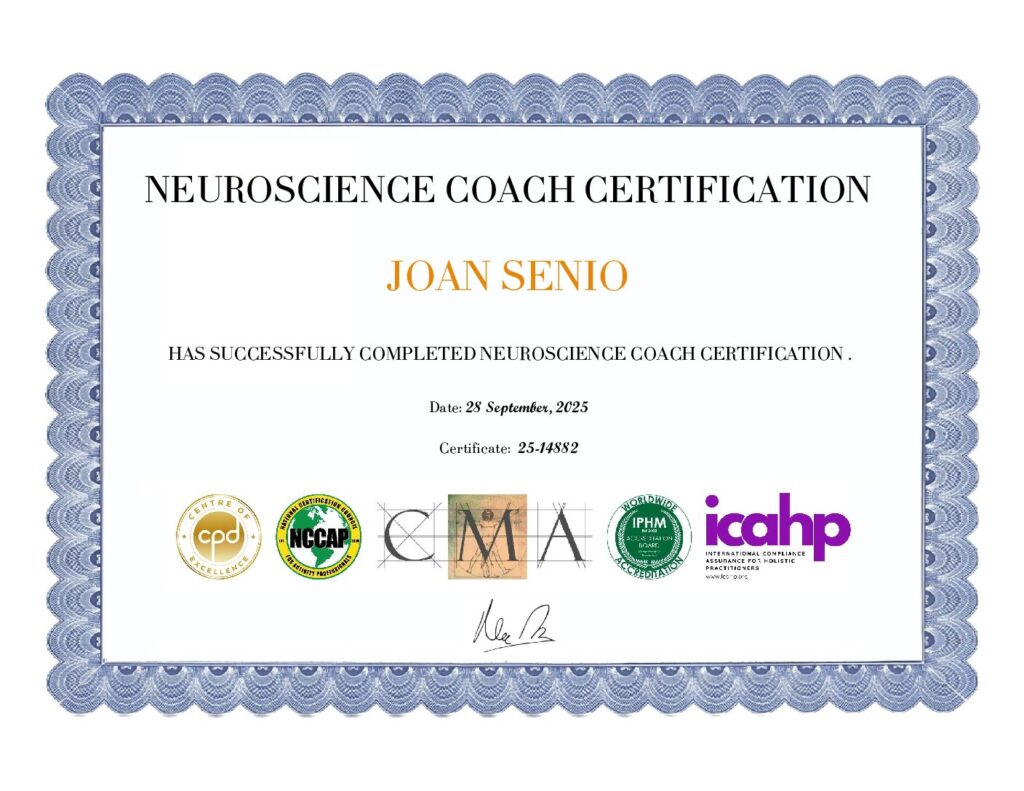
Joan Morabito Senio is the founder of Kindness-Compassion-and-Coaching.com. Joan’s career includes clinical healthcare plus 20+ years as an executive in a nationwide health care system and 15 years as a consultant. The common threads throughout Joan’s personal and professional life are a commitment to non-profit organizations, mental health, compassionate coaching, professional development and servant leadership. She is a certified Neuroscience Coach, member of the International Organization of Life Coaches, serves as a thought-leader for KuelLife.com and is also a regular contributor to PsychReg and Sixty and Me. You can read more about Joan here: Joan Senio.






One Response
Incredible insights!