

The mother wound refers to emotional injuries that arise when a birth mother or mother‑figure was emotionally unavailable, overprotective, inconsistent, or otherwise unable to provide steady emotional attunement. Adults impacted by the mother wound may demonstrate people‑pleasing, difficulty trusting their feelings, shame around needs, and a sense that their emotions are either too much or not valid. Today, we focus on mother wound healing.
We will provide compassionate guidance to help you recognize the mother wound, soothe the parts of you that were neglected, and begin the slow work of reparenting and boundary building.
We’ll explain how the mother wound forms, show common ways it shows up in adult life, and describe practices you can try right away to help you begin the process of mother wound healing.
Should any section feel overwhelming, pause, breathe, and come back when you feel steadier. If you’re working with a therapist, consider bringing these exercises into your sessions. If you’re not in therapy, these tools can be a structured starting place for your own mother wound healing journey.
How to Know You Need Mother Wound Healing
Similar to the father wound, the mother wound forms when a primary caregiver, often a birth mother or mother‑figure, was emotionally unavailable, enmeshed, inconsistent, or otherwise unable to provide steady attunement and reliable care.
Over time those early experiences teach the nervous system and the inner sense of self that needs are risky, emotions are unsafe, or love must be earned through performance.
That imprint shows up as a persistent sense of not being fully seen or loved, and it shapes how you relate to yourself and others long after childhood ends.
Common patterns that signal the mother wound include people‑pleasing, chronic guilt, and difficulty trusting your emotions, along with over‑responsibility for others, fear of asking for help, and a tendency to minimize your own needs.
These responses reflect survival strategies you learned as a child, and they point to where mother wound healing can begin.

The Mother Wound vs. the Father Wound
The mother wound and the father wound are both childhood relational injuries that shape adult emotional patterns, but they tend to affect different domains of identity and attachment.
The mother wound often centers on emotional attunement, caregiving dynamics, and self‑worth. People with this wound commonly struggle with people‑pleasing, enmeshment, body‑image issues, and difficulty claiming needs.
The father wound more often involves authority, protection, and validation. Its effects commonly show up as fear of abandonment, issues with trust and boundaries, struggles with autonomy or risk‑taking, and questions about competence or worth.
The mother wound and the father wound cause different reactions in those impacted:
Mother wound signs may include chronic caretaking of others; difficulty separating identity from relationships; perfectionism tied to approval; shame around the body or sexuality; emotional numbness or over responsiveness to others’ feelings.
Father wound signs may include persistent doubts about competence; attraction to unavailable partners or authority figures; anger toward or idealization of men; trouble trusting protection or commitment; patterns of seeking external validation.
Both wounds can coexist and interact, producing mixed patterns (for example, someone who both people‑pleases and doubts their worth).
Some healing approaches for the mother wound and the father wound overlap, such as boundary work, reparenting practices, somatic regulation, and compassionate reframing. But tailoring interventions to the wound’s core themes (attachment and caregiving for the mother wound; validation, safety, and autonomy for the father wound) helps make recovery more precise and effective.
How the Mother Wound Shows Up in Daily Life
The mother wound may show up in many everyday moments.
- You’re in a disagreement with a partner and your first impulse is to soften your voice, apologize, or take the blame (even when you aren’t at fault) because years of needing to keep the peace taught you that safety depends on pleasing others.
- It’s a weekday evening and one of your children needs help with a school assignment; you feel an old, familiar surge of panic and responsibility, as if failing to fix everything will prove you unlovable; you push through exhaustion rather than seeking support from your spouse or another solution.
- A new romantic relationship triggers you and you either over‑give to secure closeness or withdraw because showing need feels dangerous.
These situations reveal how the mother wound can quietly shape our responses to conflict, caregiving stress, and intimacy.
Core Principles of Healing the Mother Wound
You can recognize the wound by the patterns that follow those moments: emotions that swing between over‑responsibility and numbness, a persistent sense of guilt or shame when you try to prioritize yourself, and a habit of second‑guessing your feelings or decisions.
Relationally, it shows up as people‑pleasing, difficulty asking for support, or staying in relationships that replay old dynamics. Behaviorally, it appears as overwork, avoidance of conflict, or caretaking that erases your own needs.
These signs are not evidence that something is wrong with you; they are clues, and practical starting points for mother wound healing.
Mother Wound Healing Begins with Nervous System Regulation
Healing the mother wound begins with learning to calm and regulate the body so that emotional signals become intelligible again. Improving nervous‑system regulation is the foundation that makes other work possible.
When our breath, posture, and nervous tone are steadier, we can notice triggers without being swept away, tolerate uncomfortable feelings long enough to respond skillfully, and practice new relational habits that contradict old survival patterns.
Simple, repeatable regulation practices such as short breath exercises, grounding rituals, and predictable self‑care can create the physiological space where change can actually take root.
Mother Wound Healing Requires Attunement and Repair
As we work to improve nervous system regulation, we must also focus on attunement and repair rebuild our relational map. Attunement means learning to notice and validate our own inner experience; repair means practicing small, honest fixes when we or others miss the mark.
Together they teach the nervous system that mistakes and ruptures are survivable and that needs can be met.
Boundary building and reparenting are the practical components of this work. Boundaries protect the new safety we’re cultivating, and reparenting supplies the consistent, compassionate responses we did not receive earlier in life. Daily rituals, soothing language, and reliable limits reinforce a different story about our worth.
Mother Wound Healing: Your 6‑Step Roadmap
1. Name and Notice. Begin by naming patterns and moments that feel familiar: the times you apologize first, swallow a need, or feel a surge of guilt for resting. Use journaling prompts such as “What did I feel just now?”; “What did I do next?”. Track one trigger a day.
2. Regulate the Nervous System. Add two practices you can do anywhere: a paced‑breath cycle (inhale 4, exhale 6) and a 60‑second grounding routine (feet on the floor, name five things you see, three you hear). These practices reduce overwhelm.
3. Build Boundaries. Establish boundaries in low-risk situations such as a one‑line script to decline a task, a 24‑hour rule before answering emotional messages, or a phrase to protect your time. Practice saying the script aloud.
4. Reparent. Create daily rituals that supply what was missing: a morning check‑in (“How am I today?”), a mid‑day pause (a cup of tea with five mindful breaths), and an evening validation (“I did enough today”). These acts are not indulgence. They are training.
5. Repair and Reframe. When old wounds are triggered, pause and name the issue. For example, “I felt unseen when…”). Offer yourself a compassionate reframe such as “I did the best I could then”. Choose one corrective action. Reframing is not erasing the past but revising your own story about your worth as you acknowledge survival strategies that served you as a child.
6. Seek Support. Decide when to bring in others. This may include coaching for skill practice and accountability, therapy for deeper attachment or trauma work, and group support for shared experience and normalization. Use the earlier steps to clarify what you need from a professional, such as skills, processing, or safety.
Mother Wound Healing: Practical Tools and Exercises
Each exercise below includes a “how‑to” so you can try it safely and simply. Start small, notice what changes, and stop if anything feels overwhelming.
If a practice brings up intense memories or panic, pause and reach out to a clinician or a trusted support person before continuing.
Letter to Mother
Write a structured, letter (not to be sent) to the mother‑figure that follows three short parts. Describe a specific memory or pattern (one paragraph). Name the feeling that memory brings up for you (one sentence). State what you needed then and what you need now (one or two sentences).
Keep the tone factual and compassionate to yourself. You are documenting experience, not accusing. Set a time limit (20-30 minutes), do the exercise in a private, calm space, and have a grounding practice ready afterward. If the letter triggers strong distress, stop. Put the draft away and use a soothing routine or contact your therapist before revisiting.
Safe‑space ritual
Create a three‑minute sequence you can use whenever you feel activated. First, orient by planting your feet and naming three things you can see. Second, slow your breath with two rounds of a paced cycle (inhale four counts, exhale six counts). Third, place a hand over your heart and say a short affirmation such as “I am here for myself” or “I am learning to be enough.”
Practice this ritual once a day for a week so it becomes accessible in moments of upset; the goal is to build a quick, repeatable cue that signals safety to your body as part of mother wound healing.
Boundary scripts for Mother Wound Healing
Keep two short, reusable lines ready for real conversations. One for saying no, for example, “I can’t take that on right now; I need to protect my time” and another for asking for what you need (for example, “I need a break; can we pause and come back to this?”).
Say each line aloud once when you’re alone until it feels less foreign, then try it in low‑stakes situations first. Treat the scripts as experiments rather than tests of your worth. Notice what happens, adjust the wording to fit your voice, and celebrate small successes.
Reparenting checklist and journaling prompts
Build a short daily reparenting checklist of acts: one moment to soothe (a five‑minute breath or warm drink), one moment to validate (“I did enough today”), and one moment to protect (a small boundary or a scheduled break).
Pair the checklist with stage‑appropriate journaling prompts. Early work focuses on noticing and naming triggers (“What felt hard today and where did I feel it in my body?”). Middle work invites compassionate inquiry and action (“What would my younger self have needed right now, and what can I give them?”). Later work centers on integration and meaning (“How has my sense of worth shifted in the last three months?”).
Use short, timed entries (5-10 minutes) so the practice stays manageable; over time these micro‑acts and prompts become the daily scaffolding that supports deeper mother wound healing.
Mother Wound Healing: Frequently Asked Questions
What is the mother wound and how is it different from normal parenting challenges? The mother wound refers to persistent patterns of emotional harm or absence that shape attachment and self‑worth; it differs from everyday parenting stress by its chronic impact on emotional safety and identity.
How long does mother wound healing take? There is no fixed timeline; expect small shifts in weeks, deeper rewiring over months, and ongoing practice for lasting change.
Can I heal the mother wound without confronting my mother? Yes. Many healing practices focus on internal reparenting, boundary setting, and building new relational experiences without direct confrontation.
Will therapy always be necessary? Not always, but therapy is recommended when there is trauma, complex attachment wounds, or when self‑work feels stuck.
How do I know if I need a therapist or a coach? Choose therapy for trauma, severe anxiety, or depression; choose coaching for skill building, boundary practice, and goal‑oriented reparenting work.
Mother Wound Healing: Recommended Resources*
The resources below are selected to support learning, nervous‑system regulation, compassionate reframing, and daily reparenting. Use books for deeper study, workbooks for guided practice, and tools to anchor regulation rituals and daily habits that reinforce mother wound healing.
Mother Wound Healing: Books and Workbooks
Running on Empty: Overcome Your Childhood Emotional Neglect by Jonice Webb. Best for adults who grew up with emotional neglect who struggle to name or trust their feelings. Webb clearly defines emotional neglect and provides steps to recognize what was missing and begin reparenting. A primer for anyone starting mother wound healing.
Adult Children of Emotionally Immature Parents by Lindsay C. Gibson. Best for those raised by caregivers who were self‑absorbed, dismissive, or emotionally unavailable. Gibson maps common relational patterns and gives clear strategies for boundary setting and emotional differentiation. Especially useful for those who need help recognizing how parental emotional immaturity shaped their adult relationships.
Self‑Compassion: The Proven Power of Being Kind to Yourself by Kristin Neff. Best for those who struggle with harsh self‑criticism, perfectionism, or shame, common outcomes of the mother wound. Neff’s research‑based approach teaches accessible practices for replacing self‑judgment with compassionate curiosity, a core skill for reparenting and emotional repair.
The Mindful Self‑Compassion Workbook by Kristin Neff & Christopher Germer. Best for those who want structured, practice‑based exercises to build self‑compassion over weeks. This workbook pairs psychoeducation with step‑by‑step exercises, meditations, and reflection prompts, ideal for people who prefer guided practice as part of mother wound healing.
The Body Remembers Workbook by Babette Rothschild. Best for those seeking somatic exercises to work with trauma‑related sensations safely. The workbook offers concrete grounding, tracking, and movement practices that complement talk‑based healing and help stabilize the nervous system during reparenting work.
Mother Wound Healing: Other Resources
The 5‑Minute Journal. Supports daily reparenting by creating a short, structured ritual that shifts attention toward small wins and self‑validation; useful for building the habit of noticing care and progress during mother wound healing.
Weighted blanket. Provides gentle deep‑pressure stimulation that can reduce physiological arousal and improve sleep; helpful for nervous‑system regulation when triggers or nighttime shame make rest difficult.
Breathwork and grounding cards / mindfulness prompt decks. Portable cue cards with short breathing exercises, grounding prompts, or self‑compassion phrases; these make regulation practices easy to access in moments of activation and reinforce the micro‑routines of mother wound healing.
Guided journal for self‑compassion or reparenting. A collection of physical workbooks with prompts and short exercises can support naming needs, offering validation, and tracking progress.
Calming essential‑oil diffuser. A sensory tool to create a predictable, soothing environment for short rituals; scent cues can become part of a safe‑space ritual that signals the nervous system to downshift during mother wound healing practices.
Adult coloring book or creative workbook. Nonverbal, low‑pressure activities that help regulate the nervous system and provide a gentle way to practice self‑care when writing or talking feels too intense.
*The links in the section are affiliate links. We may receive a small commission at no cost to you when you purchase anything via these links. These commissions help us keep Kindness-Compassion-and-Coaching.com a free resource. Thank you for your support!
How to Choose and Use Resources
Select one book and one practical tool to start. For example, pair a workbook or guided journal with a short regulation tool (breath cards, weighted blanket, or a 3‑minute ritual prompted by a journal).
Use books for understanding and context, workbooks for structured practice, and physical items to anchor daily rituals.
Over time, rotate resources to match the stage of your healing: early noticing and regulation, middle‑phase reparenting and boundary practice, and later integration and meaning‑making.
Mother Wound Healing Closing and Call to Action
Healing from the mother wound is a gradual, compassionate process that honors the small steps as much as the big breakthroughs. No matter where you are in your journey, mother wound healing invites patience, curiosity, and self‑compassion, allowing you to reclaim boundaries, voice, and a kinder relationship with yourself.
If this post resonated with you, consider sharing share your experience in the comments to help others feel less alone.
Thank you as always for reading.
Some links in this post may be affiliate links. That means that we may receive a small commission at no cost to you when you purchase anything via one of these links. These commissions help us keep Kindness-Compassion-and-Coaching.com a free resource, as they help to cover website expenses. Thank you for your support.

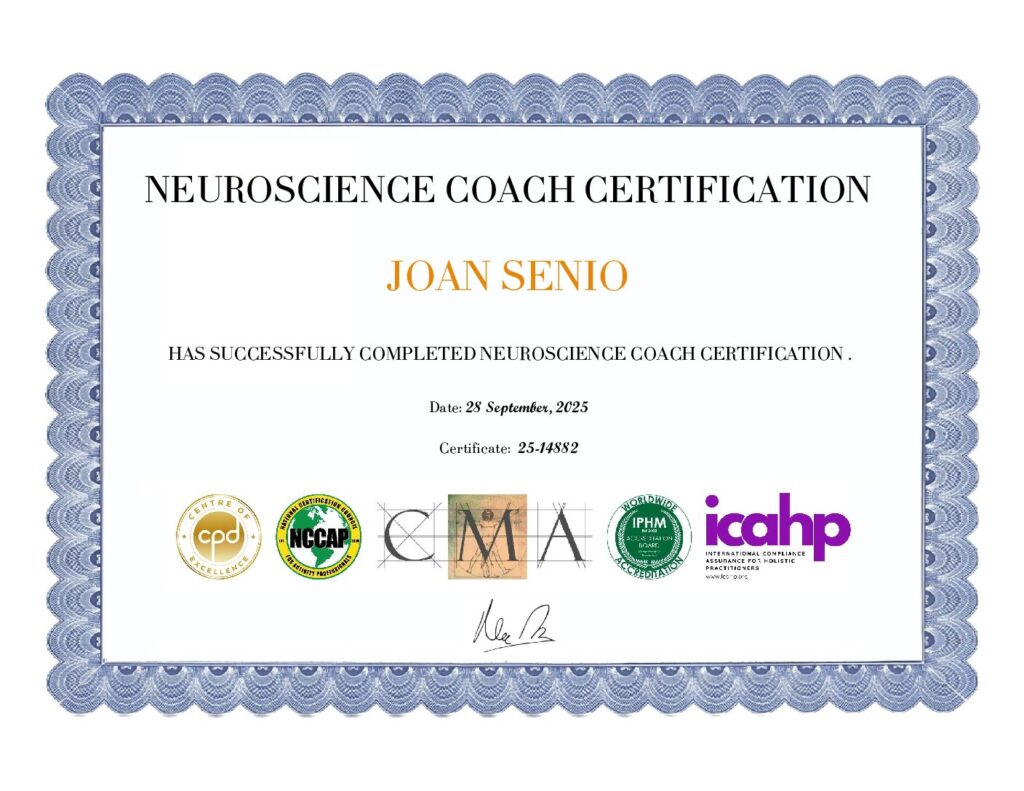
Joan Morabito Senio is the founder of Kindness-Compassion-and-Coaching.com. Joan’s career includes clinical healthcare plus 20+ years as an executive in a nationwide health care system and 15 years as a consultant. The common threads throughout Joan’s personal and professional life are a commitment to non-profit organizations, mental health, compassionate coaching, professional development and servant leadership. She is a certified Neuroscience Coach, member of the International Organization of Life Coaches, serves as a thought-leader for KuelLife.com and is also a regular contributor to PsychReg and Sixty and Me. You can read more about Joan here: Joan Senio.



No Responses