

If you notice yourself always saying yes, carrying more than your share, or feeling quietly resentful, you may be seeing early signs of martyr syndrome.
Today, we explain the subtle signs of martyr complex in plain language. We also help you to reduce shame by naming common patterns and offer reflective prompts you can explore today. Read on to begin to protect your energy and restore your well-being.
Causes of Martyr Syndrome: How to Know You’re at Risk
What is Martyr Syndrome?
Martyr syndrome is a repeated pattern of chronic self-sacrifice where a person habitually prioritizes others’ needs to the point of personal harm.
Also known as “Martyr Complex,” this syndrome appears as ongoing ‘over giving’. It may also include keeping a secret tally of sacrifices and expecting moral credit or special treatment in return.
Helpful generosity is occasional, voluntary, and reciprocal. It also restores connection and balance.
Harmful martyring is persistent, obligation-driven, and often paired with resentment or passive ways of protesting. Martyring erodes boundaries, increases invisible labor, and creates a cycle where needs are consistently denied and then later weaponized as proof of personal suffering.
Early Recognition of Martyr Complex is Essential
Small, repeated acts of self-neglect accumulate into exhaustion, chronic resentment, and physical or emotional depletion. In relationships, unchecked martyring shifts dynamics so others stop noticing needs or assume unequal roles, which increases conflict and reduces intimacy.
Spotting martyr syndrome signs early reduces the chance of burnout and protects relationships.
It also helps to preserve reasonable levels of self-care before neglect is deeper and harder to repair. When we recognize signs of martyr syndrome early, it helps us to name patterns, intentionally attempt corrective action, and set simple boundaries before patterns harden and personal costs grow.
Martyr Syndrome Can Show Up Anywhere
Martyr Syndrome at Home
The Martyr Complex often appears at home as an unbalanced load of caregiving, household chores, and invisible emotional labor that one person quietly carries. A family member may accept more responsibility than the situation requires, decline help, or smooth over conflict to avoid being seen as selfish. This gradually builds hidden resentment and exhaustion.
Over time this pattern changes household dynamics so others stop practicing responsibility and the helper’s needs go unacknowledged. This creates fertile ground for the subtle signs of martyr complex to deepen.
Martyr Syndrome at Work
At work the pattern shows as consistent overcommitment, stepping in to rescue missed deadlines, or taking on “extra” tasks to avoid conflict or maintain an image of reliability. This can look productive at first but quietly undermines career boundaries. It also may cause role confusion, and signals to managers and peers that the person’s bandwidth is limitless.
Repeatedly covering for others or refusing to negotiate role clarity leads to burnout and damages professional trust. These behaviors are common indicators of martyr syndrome.
Martyr Syndrome in Friendships and Community Roles
Within friendships or volunteer settings martyring appears as one-sided giving. Those with martyr complex are always the listener, the organizer, or the emotional anchor. They receive little reciprocal support. People in these roles often keep a private ledger of sacrifices and feel hurt when recognition does not arrive. This fuels passive aggressive resentment and moral framing.
Over time social circles may unconsciously rely on that person, narrowing their opportunities for connection and increasing isolation.
Martyr Syndrome Across Contexts
A core feature of martyr syndrome is its portability. Habits learned in one context show up in others because they are coping strategies rather than isolated choices. The tendency to minimize needs or use guilt to influence can appear in family systems, workplaces, volunteer groups, and online interactions.
Spotting the same subtle signs of martyr complex across contexts is a strong signal that the pattern is stable and worth addressing.

7 Subtle Signs of Martyr Syndrome
1. Chronic overhelping disguised as duty
Chronic overhelping looks like someone stepping in to solve problems that others could manage, often without being asked. At first it feels useful and dependable, but over time it builds a pattern where others stop practicing responsibility and the helper accumulates unseen labor.
Pride in being the reliable person can coexist with a quiet, growing resentment when help is expected rather than appreciated. That resentment often shows up as irritability or withdrawal.
2. Passive aggressive resentment after giving
Passive aggressive resentment appears as indirect complaints, sarcasm, or silent treatment that surface after an act of service. Instead of naming hurt or asking for change, the person uses indirect signals to communicate displeasure, which creates confusion and undermines straightforward repair.
This pattern protects the martyr from conflict in the short term but erodes trust and intimacy because grievances are not resolved openly.
3. Secret checklist of sacrifices for validation
A secret checklist is an internal ledger of favors, time, and emotional labor kept to prove worth or to justify future demands. The act of tallying becomes a private metric of value. This can lead to bitterness when recognition does not follow.
Relying on this hidden list turns selfless acts into transactions, making genuine generosity contingent on expected moral credit.
4. Denying or minimizing personal needs
Denying needs looks like minimizing hunger, fatigue, hurt, or desire so that the person can continue to meet others’ demands without drawing attention. This habit reduces access to rest and support and trains others to assume the martyr will always manage alone.
Over time, minimizing needs both hides important signals of burnout and makes it harder for the person to practice asking for reasonable accommodations.
5. Avoiding clear asks by doing instead of requesting
Doing instead of asking is a pattern where the person completes tasks to prevent a potentially awkward or rejecting conversation. It feels safer in the moment because it avoids explicit rejection, but it keeps roles and expectations vague and unrepaired.
Over time this pattern builds unequal labor divisions and prevents others from stepping up, because the request that would prompt change is never made.
6. Using guilt or moral language to hold control
Using guilt or moral framing turns choices into moral tests: the martyr implies that refusing them would be selfish or morally wrong. This language pressures others to comply while obscuring the martyr’s unmet needs and genuine requests.
The tactic can be effective short term, but damages open negotiation and makes honest boundary work nearly impossible.
7. Repeated boundary erosion with no repair
Repeated boundary erosion shows up as tolerating small violations until emotional capacity is exhausted, then reacting with blame about not being seen. Instead of naming limits earlier, patterns of tolerance allow harm to accumulate and make repair feel sudden and disproportionate to others.
Without intentional repair steps or clear consequences, the cycle repeats and the martyr role becomes reinforced rather than corrected.
Martyr Syndrome: Prompts for Self-Reflection
Prompts for self-reflection can help you clarify your thoughts and observations. If this approach sounds like it would work for you, pick one prompt per day and write a 2-4 sentence response or record a short voice note immediately after a relevant interaction.
Short, regular entries create a set of data you can review weekly to see patterns rather than relying on memory or emotion. If journaling feels like too much, use voice notes on your phone. Transcribe only the insights you want to keep; consistency matters more than length.
Sample prompts for self-reflection include:
Who benefits most from this action?
Ask this to reveal imbalance between your effort and the real beneficiaries; it helps spot chronic overhelping disguised as duty. Repeating this prompt after interactions shows whether sacrifices are mutual or one-sided. Use it when you notice irritation after helping or when you feel taken for granted.
How do I feel after I help?
Name the immediate emotional aftermath (relief? pride? resentment? emptiness?) to track the true cost of your giving. Noting the pattern of feelings after repeated help flags a developing martyr complex. Over time these emotion snapshots reveal whether actions restore connection or deplete you.
What would I ask for if I were completely honest?
This prompt uncovers unmet needs beneath automatic doing and highlights the gap between action and request. Practicing this question reduces the pattern of doing instead of asking and makes direct negotiation more likely. Use it when you find yourself fixing problems you could request help with.
Am I using moral language or guilt to influence others?
Reflect on whether internal or external phrases like “I guess I will do it since no one else will” or “I must always put everyone first” are shaping decisions. Noticing moral framing helps you see when influence replaces clear boundaries. Call it out to yourself and try restating the need without moral pressure.
What would change if I set one small boundary this week?
Imagine a specific, low-effort limit and test its practical impact to counteract repeated boundary erosion with no repair. This prompt turns abstract worry into a concrete action and reduces the secret checklist dynamic. Track the outcome to decide whether to maintain, escalate, or withdraw the boundary.
What If It’s Not Martyr Syndrome?
Codependency and enmeshment
Codependency describes patterns where a person’s sense of worth and identity become tied to meeting another’s needs or keeping a relationship stable. It often looks like chronic caretaking, difficulty saying no, and anxiety about abandonment, which can resemble martyring but centers more on mutual dependence and role fusion.
Treating it as distinct helps focus interventions on restoring healthy separateness, reciprocal care, and self-directed values.
People‑pleasing and approval seeking
People‑pleasing centers on a strong drive to avoid disapproval by agreeing, accommodating, or smoothing over conflict even when it costs you. Unlike martyr behavior that may carry a hidden ledger of sacrifices, people‑pleasing is motivated primarily by fear of rejection and a need for external validation.
Working on this pattern targets building internal validation, assertive communication, and tolerating the discomfort of unmet expectations.
Savior or rescuer complex
A savior or rescuer pattern shows up as repeatedly stepping into others’ problems to fix them, often to feel indispensable or to avoid facing one’s own needs. It overlaps with martyring when the helper accumulates invisible labor, but the rescuer’s primary focus is the perceived necessity of being needed rather than a moral count of sacrifices.
Intervention emphasizes appropriate role boundaries, encouraging autonomy in others, and shifting from fixing to supporting.
Caregiver burnout and compassion fatigue
Caregiver burnout and compassion fatigue are stress responses from sustained caregiving under high demand and low support. These presentations can look similar to martyr syndrome because the caregiver continues to give while becoming exhausted, irritable, or emotionally numb.
Addressing burnout focuses on workload redistribution, respite, and restoring basic self‑care rather than reframing motivations alone.
Perfectionism and over‑responsibility
Perfectionism and over‑responsibility drive people to take on excessive tasks to meet internal standards or prevent failure. The result can be an ongoing pattern of overwork and self‑sacrifice that looks like martyring, but the core issue is fear of imperfection and control rather than moral obligation.
Useful approaches include recalibrating standards, delegating with clear expectations, and practicing self‑compassion for inevitable mistakes.
Boundary avoidance and attachment patterns
Some people avoid setting limits because they fear relational rupture or rejection, which leads to tolerating violations and ultimately, overwhelm. This attachment‑linked behavior can produce the same outward signs as martyr syndrome (doing instead of asking, denying needs, and silent resentment) but its root is relational fear and insecurity.
Interventions emphasize gradual boundary practice, repair rituals, and strengthening secure relational experiences.
Learned helplessness and depressive withdrawal
Learned helplessness or depressive withdrawal may produce passive behavior that looks like martyring when a person stops asking for help, minimizes needs, or quietly accepts poor treatment. The motivational profile differs. Withdrawal stems from repeated failure or hopelessness, whereas martyring often keeps active labor and covert expectations in play.
Addressing withdrawal focuses on restoring agency, mastery experiences, and assessing mood and support needs.
When multiple patterns overlap
It is common for more than one of these complexes to coexist and interact, creating a blended presentation that can be confusing to name. A person might combine people‑pleasing with perfectionism, or caregiver burnout with a secret martyr ledger, and each thread requires a slightly different response.
A trauma‑informed approach looks for causal pathways, reduces shame, and prioritizes concrete steps that match the most urgent functional needs.
Signs of Martyr Syndrome: Wrap Up
We have named and framed martyr syndrome by defining the pattern of chronic self‑sacrifice and distinguishing helpful generosity from harmful martyring. Further, we’ve explained why early recognition matters: because small, repeated self‑neglect and hidden resentments add up. This increases risk of burnout, further erosion of self‑care, and perpetuates unhealthy relationship dynamics.
There are seven subtle signs of Martyr Syndrome that you may spot in daily life.
These include chronic overhelping disguised as duty; passive aggressive resentment after giving; a secret checklist of sacrifices; denying or minimizing personal needs; doing instead of asking; using guilt or moral language to hold control; and repeated boundary erosion without repair.
We’ve cited examples for each to help you identify how these behaviors show up for you or someone close to you.
The prompts provided are a practical next step for noticing patterns. Ask who benefits most from your action. Notice how you feel after helping. Imagine what you would request if you were fully honest. Check for moral framing. Consider what a small boundary might change.
Use journaling or voice notes to collect examples so you can move from vague frustration to understanding the specific, observable patterns that need to be remedied.
If this content resonates, revisit the sections above to gather concrete examples from your life. Use the prompts to build a short log of instances. Decide one clear next step for the relationship or situation you care about.
To learn more, visit Do You Have Martyr Syndrome? How to Conquer It Now.
Thank you as always for reading.
Affiliate Disclosure: Some links in this post are affiliate links. As an Amazon Associate, we earn from qualifying purchases. Thank you for supporting Kindness-Compassion-and-Coaching.com at no extra cost to you.

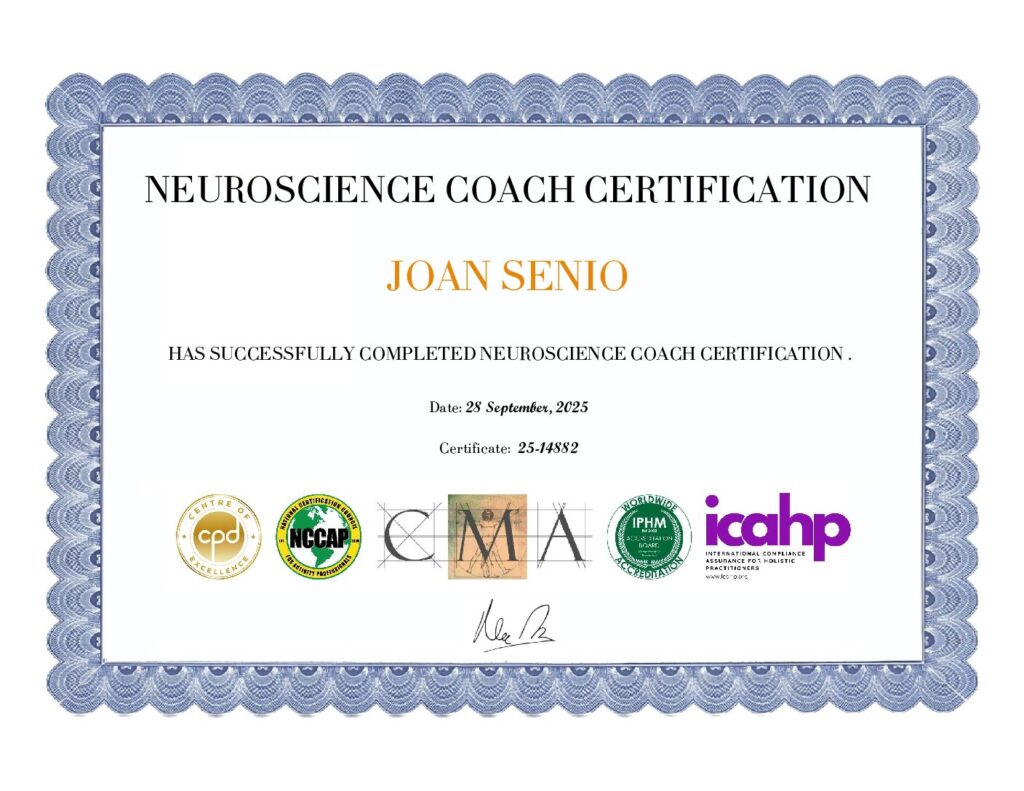
Joan Morabito Senio is the founder of Kindness-Compassion-and-Coaching.com. Joan’s career includes clinical healthcare plus 20+ years as an executive in a nationwide health care system and 15 years as a consultant. The common threads throughout Joan’s personal and professional life are a commitment to non-profit organizations, mental health, compassionate coaching, professional development and servant leadership. She is a certified Neuroscience Coach, member of the International Organization of Life Coaches, serves as a thought-leader for KuelLife.com and is also a regular contributor to PsychReg and Sixty and Me. You can read more about Joan here: Joan Senio.










No Responses