

Do you ever feel like you’re not good enough? Like you’re just winging it and one day everyone will find out? Ever feel like you’re faking it, even though the data says you’re crushing it? The phenomenon known as imposter syndrome affects countless people, causing self-doubt, anxiety and fear. Today, we share strategies and techniques that can help you learn how to overcome imposter syndrome and reclaim your sense of confidence and self-worth.
Feeling like a fraud can be painful and isolating. At Kindness-Compassion-and-Coaching.com, we understand the weight of self-doubt and the ache of believing you don’t belong. You deserve a safe, nurturing space to explore these feelings without judgment.
Read on to learn more about our proven strategies infused with empathy and heartfelt encouragement, as well as our practical tools built especially to help you learn how to overcome imposter syndrome. We will help you unravel the stories holding you back and rebuild your confidence one compassionate step at a time.
Keep in mind, overcoming imposter syndrome is not about forcing perfection or silencing every doubt.
It’s about learning to notice your inner critic, challenge their claims with kindness, and replace harsh self-talk with genuine self-belief.
You’ll find support in every reflection ritual and recommendation, all designed to help you appreciate your worth and step into your fullest potential.
We have also included a FREE 10-Question Imposter Syndrome Quiz, and a 14-page printable Imposter Syndrome Workbook (no sign up required).
How to Overcome Imposter Syndrome: Table of Contents
- 1. How to Overcome Imposter Syndrome: Introduction
- 2. What is Imposter Syndrome?
- 3. How to Overcome Imposter Syndrome: Common Patterns of Behavior
- 4. Recognizing Cognitive Distortions
- 5. Root Causes and Triggers
- 6. Who Experiences Imposter Syndrome?
- 7. Impact on Life and Career
- 8. Eight Strategies to Overcome Imposter Syndrome
- 9. Cultivating Long-Term Confidence and Resilience
- 10. Frequently Asked Questions (FAQ)
- 11. Additional Resources
- 12. Imposter Syndrome Quiz
- 13. Conclusion and Next Steps
1. How to Overcome Imposter Syndrome: Introduction
You have landed your dream role and today, you presented an idea that wowed your team. But instead of celebrating, you’re convinced you’re a fraud who’s about to be exposed. That sinking feeling, no matter how many accolades you rack up, is more common than you think. Studies suggest up to 70 percent of people experience imposter syndrome at some point in their lives.
Imposter syndrome describes a persistent sense of self-doubt and fear of being “found out” despite clear evidence of success.
It often strikes high achievers, creatives, entrepreneurs, and anyone stepping into a new or challenging role, trapping them in a cycle of anxiety, perfectionism, and burnout. Even celebrities and professional athletes are not immune.
Today, we’ll explore the roots and real-world impact of imposter syndrome and share eight practical strategies to help you recognize, reframe, and overcome those nagging doubts.
We will also share a 10-question quiz to help you figure out if you are battling imposter syndrome – and a free 14-page printable workbook (no sign up required) to help you through recovery. Our tools will empower you to own your accomplishments and move forward with confidence.
2. What is Imposter Syndrome?
Imposter syndrome is a psychological pattern in which people doubt their skills, talents, or accomplishments and live in persistent fear of being exposed as frauds.

Despite praise, promotions, or measurable success, people with imposter syndrome attribute their achievements to luck or external factors. This constant self-criticism erodes confidence, fuels perfectionism, and creates barriers to taking on new challenges.
The term “imposter phenomenon” was introduced in 1978 by psychologists Pauline Clance and Suzanne Imes after studying high-achieving women who felt they didn’t deserve their success.
Subsequent research has shown that imposter syndrome affects people of all genders, cultures, and professions, often surfacing during major life transitions or when stepping into unfamiliar roles.
Recognizing the relevant behavior patterns is the first step toward learning how to overcome imposter syndrome. Understanding the mechanics of imposter syndrome lays the groundwork for practical solutions.
As you learn to name and examine your self-doubt, you create space to reframe negative self-talk, gather and accept evidence of your accomplishments, and build lasting self-compassion.
Read on to learn more about various patterns of behavior and targeted strategies designed to help you overcome imposter syndrome and own your success.
3. How to Overcome Imposter Syndrome: Common Patterns of Behavior
As you explore how to overcome imposter syndrome, it is helpful to recognize that this experience wears many masks. You may see yourself in one or more imposter syndrome behavior patterns. Mapping out these distinct types will help you gain the compassionate insight needed to meet your inner critic with kindness rather than judgment.
3.1 How to Overcome Imposter Syndrome: The Perfectionist
The Perfectionist is characterized by an unrelenting pursuit of flawlessness and a fear of making mistakes. Those who exhibit perfectionist tendencies often set impossibly high standards, believe that anything less than perfection is a failure, and always feels like they could do better.
Perfectionists with imposter syndrome are unable to internalize their achievements. This leads to feelings of chronic stress, anxiety, and a sense of never being good enough.
Overcoming the perfectionist type of imposter syndrome involves challenging unrealistic expectations, learning to accept imperfection, and recognizing that mistakes are a natural part of learning and growth.
3.2 How to Overcome Imposter Syndrome: The Superman/Superwoman
The Superman/Superwoman form of imposter syndrome is characterized by the constant need to overachieve in every aspect of life. Those experiencing this type of imposter syndrome often feel an immense pressure to juggle multiple roles and responsibilities, leaving little room for vulnerability. The Superman/Superwoman has severe difficulty asking for help.

Despite outward success and accomplishments, they see themselves as frauds who are barely able to keep up the facade. This leads to burnout, anxiety, and a persistent fear of being exposed as incapable or inadequate.
Overcoming the Superman/Superwoman form of imposter syndrome involves practicing self-compassion, accepting that it is okay to prioritize well-being, and learning how and why it is essential to ask for support when needed.
3.3 How to Overcome Imposter Syndrome: The Genius
People who experience the genius type of imposter syndrome doubt their intelligence and believe that their successes are merely the result of luck or external factors. They see struggles as a sign of failure.
In spite of evidence of that they are knowledgeable and smart, they feel like they are constantly fooling others into thinking they are more competent than they actually are. This mindset can lead to a cycle of self-sabotage, procrastination, and a fear of taking on new challenges that may expose their perceived lack of intelligence.
Resolving the genius type of imposter syndrome involves internalizing achievements, reframing self-doubt as a normal part of growth, and seeking validation from within rather than relying on external feedback.
3.4 How to Overcome Imposter Syndrome: The Soloist
The Soloist feels the need to accomplish tasks and goals on their own, without help or collaboration. They believe asking for assistance is a sign of weakness, and they feel a deep-seated pressure to prove their worth through independent accomplishments.
This mentality can lead to excessive stress and a persistent fear of being exposed as incompetent if they are unable to handle everything on their own.
Strategies for the soloist involve recognizing the value of teamwork and collaboration. It is also essential for them to learn to delegate tasks and to realize that asking for help is a strength that fosters growth and success.

3.5 How to Overcome Imposter Syndrome: The Expert
The Expert believes they must know everything about their field to be competent. Despite possessing a high level of knowledge and experience, they constantly doubt themselves. They may avoid sharing their knowledge or taking on new challenges out of a fear of not measuring up to their own high standards.
Overcoming the expert form of imposter syndrome involves recognizing that it is impossible to know everything and adopting a growth mindset that allows for continuous learning and development.
Seeking feedback, acknowledging accomplishments, and understanding that being an expert is an ongoing process can help them regain confidence.
4. How to Overcome Imposter Syndrome: Recognizing Cognitive Distortions
One common way that imposter syndrome takes hold is through cognitive distortions. Cognitive distortions are the hidden currents that pull us deeper into imposter syndrome by warping how we interpret success and failure.
Identifying these common thought patterns is another key step in how to overcome imposter syndrome. Naming them weakens their power and opens the door to more balanced self-talk.
Cognitive Distortions that Fuel Imposter Syndrome
| Cognitive Distortion | Description |
|---|---|
| Personalization | Taking responsibility for events beyond your control, blaming yourself for factors you didn’t cause. |
| All-or-Nothing Thinking | Viewing situations in black-and-white terms, so any mistake makes you a total failure rather than human and fallible. |
| Overgeneralization | Drawing broad, negative conclusions from a single event; believing that one rejection means you’ll always be rejected. |
| Mental Filter | Focusing solely on the negatives, ignoring any positive feedback or achievements. |
| Discounting the Positive | Dismissing compliments or successes as luck or flukes. |
| Jumping to Conclusions | Assuming you know what others think of you (mind reading) or predicting failure without evidence (fortune telling). |
| Catastrophizing | Blowing setbacks out of proportion and imagining the worst possible outcome. |
| Emotional Reasoning | Believing that negative feelings reflect reality; thinking “I feel incompetent, so I must be incompetent.” |
| Should Statements | Holding rigid rules about how you or others must behave. |
| Labeling | Assigning global, negative labels to yourself, such as “fraud” or “inadequate,” based on isolated incidents. |
Examples of how these cognitive distortions may play out include:
- Black-and-white thinking may convince you that one imperfect presentation means you’re completely inept.
- Discounting the positive turns every compliment into a hollow courtesy rather than genuine praise.
- Your may personalize a missed deadline, blame yourself for factors beyond your control or catastrophize a small error into proof that you’re on the brink of total collapse.
By reflecting on these thought patterns and beginning to observe them objectively, you can begin to loosen their grip and see the flawed logic that they are based on. This opens space for kinder, more balanced self-talk and the confidence you need to move on.
5. How to Overcome Imposter Syndrome: Root Causes and Triggers
Imposter Syndrome isn’t just feeling a little nervous before a big presentation. It’s a persistent, nagging belief that you’re not as smart, talented, or capable as others think you are. Recognizing what sparks those feelings is another key component of dealing with them.
Examples of potential triggers include:
- A new job, a promotion, or a project with a lot riding on it.
- Comparing yourself to others on social media.
- Past experiences of failure or criticism.
- Lack of recognition for achievements.
The constant pressure to excel and the fear of not measuring up to perceived expectations can contribute to feelings of inadequacy and self-doubt.
Imposter syndrome can also be exacerbated by societal norms and stereotypes that place unrealistic standards on you, leading you believe that you are not truly deserving of success.
6. Who Experiences Imposter Syndrome?
Imposter syndrome can affect people from all walks of life, regardless of age, gender, or profession, however, there are certain traits and circumstances that may make you more prone to experiencing it:
- Perfectionists, high achievers, and those in competitive or high-pressure environments.
- Those who come from families or an academic setting where early messages equated worth with achievement.
- People who have experienced past failures or received harsh criticism may also be more likely to develop imposter syndrome.
- Those from marginalized or underrepresented groups may experience imposter syndrome as a result of societal stereotypes and systemic inequalities that undermine their confidence and sense of belonging.
- People who work in an organization where comparison culture is rife, and those who are overly exposed to social media that distorts views of normal progress.
- Those who are experiencing any form of a major life transition, as change can amplify uncertainty.
By identifying which of these triggers resonate most with you, you can focus your efforts on reframing those beliefs and building resilience precisely where you need it as you seek to learn how to overcome imposter syndrome.
7. How to Overcome Imposter Syndrome: It’s Impact on Life and Career
Recognizing how imposter syndrome seeps into your daily life is another important step to help you learn how to overcome imposter syndrome. When persistent self-doubt goes unaddressed, it can inflict real harm on both your professional trajectory and personal well-being.
In your personal life, it can lead hinder your ability to enjoy and appreciate your accomplishments. It can also damage relationships, as you may not feel worthy of love and support.
In the workplace, imposter syndrome can manifest as procrastination, self-sabotage, and an unwillingness to take on new challenges or opportunities for fear of failure. This can limit your growth. It may also impact your relationships with colleagues and hinder your ability to showcase your true capabilities.
Common outcomes from prolonged symptoms of imposter syndrome include:
- Reduced confidence and risk-taking as fear of failure keeps you from pitching bold ideas or pursuing promotions, limiting growth opportunities.
- Burnout from overcompensation and overworking to “prove” your worth leading to chronic stress, exhaustion, and a decline in creative thinking.
- Career stagnation and reluctance to claim achievements or negotiate for what you deserve, stalling salary increases, title changes, or new responsibilities.
- Strained relationships due to constant self-criticism that fosters isolation, especially when you avoid sharing successes or asking for support.
- Decline in mental health as a result of persistent anxiety and perfectionism that increases vulnerability to depression, imposter burnout, and reduced job satisfaction.
Each of these impacts undermines your ability to thrive and reinforces the very beliefs that fuel imposter syndrome.
Understanding these consequences can help reinforce your commitment to the targeted strategies ahead, that will help you reclaim confidence, balance, and momentum in both career and life.
8. How to Overcome Imposter Syndrome: Eight Strategies
8.1 Name Your Emotions
An essential next step in how to overcome imposter syndrome is simply to think more deeply about the doubts running through your mind. When you catch yourself thinking “I don’t deserve this” or “I’m about to be exposed,” pause and name that experience: “This is imposter syndrome.”
By giving your fear a compassionate label, you create the distance needed to observe it.
Over time, this practice of noticing and naming your feelings becomes a powerful tool. Each acknowledgment reduces the power of your internal critical voice, making room for clarity, kindness, and authentic confidence as you learn how to overcome imposter syndrome.
8.2 Reframe Negative Self-Talk
Once you’ve identified that critical inner voice, you can begin to meet it with kinder, more balanced language.
Ask yourself what you might say to a dear friend in this situation and then apply that same warmth to yourself.
By consciously replacing thoughts like “I could never pull this off” with “I’m learning and growing every day,” you start to dismantle the distorted beliefs that fuel imposter syndrome. This shift doesn’t ignore challenge. Instead, it provides an opportunity to regard them with both honesty humility and encouragement. This also helps guide you closer to authentic confidence.
8.3 Gather Evidence of Your Success
When doubt tries to convince you that your accomplishments are the result of luck or timing, a tangible archive of wins becomes your anchor. Collect emails with praise, project results, and even personal reflections that highlight your unique contributions.
Regularly revisiting these moments of genuine impact reminds you that your successes are earned, not accidental. This is powerful. As you build this evidence folder, you’ll create a physical testament to your skills and dedication, making it easier to trust in your abilities when self-doubt creeps back.
8.4 Practice Self-Compassion
Self-compassion invites you to treat yourself with the same care and understanding you offer others, especially during setbacks. When perfectionism or fear of failure kicks in, pause for a brief self-compassion break: acknowledge the difficulty, remind yourself that imperfection is part of being human.
Integrating small moments of mindful breathing or guided kindness exercises into your day nurtures resilience and softens the impact of self-criticism. Over time, these compassionate pauses become natural, helping you face challenges with warmth instead of self-judgment.
8.5 Set Realistic Goals and Break Tasks Down
When imposter syndrome leads you to feel you’re doomed to fail if you aim too high, counter it by setting goals that are both meaningful and manageable. Begin by defining a clear objective, such as mastering a new software feature, and then divide that goal into bite-sized steps you can complete in a single sitting.
As you complete each task, you’ll gather more tangible proof of your progress, quieting the inner critic that equates any stumble with total failure.
8.6 Seek Mentorship and Peer Support
You don’t have to face imposter syndrome in isolation. Sharing your experience with trusted mentors or peers can be liberating and help you to build true allies. When you find someone who listens without judgment, you open a space to voice your fears and receive compassionate truth: many successful people wrestle with the same doubts.

Ask your mentor to highlight strengths you might overlook or join a peer coaching circle where everyone contributes honest feedback in a spirit of mutual growth.
In this nurturing network, you’ll discover that vulnerability is a bridge to connection, and that leaning on others is a courageous step toward learning how to overcome imposter syndrome.
8.7 Celebrate Achievements
Imposter syndrome often steals the joy of your accomplishments, urging you to downplay milestones or rush past them entirely.
To reclaim those moments, practice pausing and celebrating, even the smallest wins. Whether you share success with a colleague, or savor a quiet moment of gratitude, ritualizing recognition reminds your mind that effort leads to real results.
Over time, these celebrations become more than rewards; they become proof points against self-doubt, reinforcing the truth that you earned each achievement through skill, dedication, and growth.
8.8 Seek Out Continuous Learning
Overcoming imposter syndrome requires you to adopt a lifelong learning mindset. An attitude that says every challenge is an invitation to grow – not evidence of inadequacy. When you encounter setbacks, pause and ask, “What can this teach me?” Document lessons learned. Adjust your approach, celebrating the new insight even more than the end result.
By framing mistakes as valuable data rather than proof of incompetence, you cultivate resilience and curiosity. This gentle shift in perspective is a cornerstone of how to overcome imposter syndrome, turning each hurdle into a steppingstone towards improved self-worth and genuine confidence.
9. Cultivating Long-Term Confidence and Resilience
Sustained change comes when your habits become part of your daily life. These will help you lock in hard-won confidence and keep self-doubt from creeping back in.
9.1 How to Overcome Imposter Syndrome: Institutionalize Reflection Rituals
To integrate how to overcome imposter syndrome into your daily rhythm, build simple reflection rituals that honor both your progress and your challenges.
Each evening, carve out five to ten minutes to journal or record a quick voice note, noting one insight from the day, such as a small victory or a moment you handled with more grace. Recording fleeting moments allows you to reflect on them. This process fosters lasting learning and reinforces your growing confidence.
Learn more about self-affirming rituals in The Ultimate Guide to Self-Care: Rituals, Printables and Product Recs.
9.2 How to Overcome Imposter Syndrome: Build a Support Ecosystem
Cultivating a nurturing circle is essential. Identify two or three people (mentors, peers, family or friends) who can hold space for your fears and celebrate your wins without judgment.
Schedule regular check-ins. Use them to exchange honest feedback, share lessons learned, and remind one another of inherent strengths.
This web of mutual encouragement turns isolation into solidarity, showing you that vulnerability is not a liability but a path to deeper connection and confidence. Support like this will help throughout the process as you learn how to overcome imposter syndrome.
9.3 How to Overcome Imposter Syndrome: Challenge Yourself with Stretch Goals
Facing fears head-on is a powerful way to overcome imposter syndrome. Choose one goal that feels just beyond your current comfort zone (perhaps leading a new project or learning an advanced skill) and break it into smaller steps you can tackle confidently.
Each step becomes tangible proof of your capability, nudging your inner critic and proving that you are growing with practice. As you accumulate small victories, you’ll build momentum.
9.4 How to Overcome Imposter Syndrome: Review and Refine Your Toolkit
Keeping your strategies fresh ensures that your pursuit of how to overcome imposter syndrome remains effective and inspiring. Every few months, take stock of the practices that lift you up (journaling, affirmations, peer support, etc.) and note any that feel stale or less impactful.
Tweak, swap, or replace exercises until your toolkit resonates so deeply you look forward to every ritual, and healthy thoughts and responses to adversity are the norm.
This ongoing refinement turns continuous improvement into a positive habit rather than a chore.
9.5 How to Overcome Imposter Syndrome: Document Your Evolving Identity
One of the most powerful ways to improve as you learn how to overcome imposter syndrome is to chronicle the person you’re becoming, not just the goals you’re achieving. Create a “Who I’m Becoming” mind map, vision board, or digital scrapbook where you pin images, quotes, and snippets of feedback that reflect your growth.
Seeing these artifacts together (new skills mastered, moments of courage, reminders of your worth) rewires your internal narrative from “I’m not enough” to “I am evolving every day.”
By returning to this montage regularly, you will see evidence of your progress, celebrate it, and solidify a compassionate self-image.
Eventually, these new habits will become your default way of being. The more consistently you practice, the less power imposter syndrome holds, and the more you step into the full expression of your capabilities.
10. How to Overcome Imposter Syndrome: Frequently Asked Questions (FAQ)
What is imposter syndrome?
Imposter syndrome describes the persistent feeling that your achievements are undeserved and that you’re bound to be “found out”. It often shows up as chronic self-doubt, minimization of accomplishments, or attributing success to luck rather than effort. Recognizing these patterns is the first step toward change.
How do I know if I have imposter syndrome?
Look for recurring thoughts like “I don’t deserve this” or “Anyone could do what I do.” Physical signs can include anxiety, procrastination, and perfectionism. If you regularly discount praise or fear making mistakes despite evidence of your competence, you’re likely experiencing imposter feelings.
How long does it take to overcome imposter syndrome?
Overcoming imposter syndrome is a gradual process. With consistent practice of the strategies outlined such as reframing your self-talk, gathering evidence of success, and building support, you will begin to see meaningful shifts in a matter of weeks. The key is persistence and patience with yourself.
Can perfectionism cause imposter syndrome?
Yes. Perfectionism and imposter syndrome often feed each other: high standards lead to intense self-criticism, which fuels feelings of being “not good enough.” Learning to set realistic goals and practicing self-compassion can help break this cycle.
How can I support someone who struggles with imposter syndrome?
Start by listening without judgment and validating their experience. Offer concrete reminders of their strengths and share specific examples of their successes. Encourage them to track wins and practice the self-compassion and goal-setting strategies you’ve learned together as they work to learn how to overcome imposter syndrome.
What role does mindset play in overcoming imposter syndrome?
Adopting a growth mindset (viewing skills and intelligence as developable rather than fixed) turns setbacks into learning opportunities. This shift reduces the fear of failure that often underlies imposter feelings and makes it easier to celebrate progress.
Why does imposter syndrome sometimes come back?
Life changes, new challenges, or higher expectations can re-trigger imposter feelings. That’s why maintaining long-term practices such as reflection rituals is essential. Treat any resurgence as data for your next round of growth rather than proof that you’ve failed. You need to be persistent as you learn how to overcome imposter syndrome.
11. Additional Resources
Additional work beyond this post can deepen your healing and reinforce the shifts you’re making as you learn how to overcome imposter syndrome.
Targeted books, workbooks, and practical tools offer fresh perspectives, guided exercises, and compassionate insights to reaffirm your strengths.

We recommend these resources to complement the strategies you’ve already put into practice, as they will help you build resilience, self-compassion, and a healthier inner narrative.
| Resource | Author(s) | Why It Helps |
|---|---|---|
| Overcoming Imposter Syndrome: Stop Overthinking, Release Self-Doubt and Anxiety, and Embrace Who You Truly Are | Jeffrey Simmons | Practical steps to challenge self-doubt and internalize your achievements |
| The Secret Thoughts of Successful Women: Why Capable People Suffer From the Impostor Syndrome and How to Thrive in Spite of It | Dr. Valerie Young | Explores mindset shifts that move you from feeling like a fraud to owning your competence |
| The Mindful Self-Compassion Workbook | Kristin Neff | Hands-on exercises to cultivate self-kindness and counteract harsh self-judgment |
| The Gifts of Imperfection: Let Go of Who You Think You’re Supposed to Be and Embrace Who You Are *** See also Companion Workbook *** | Brené Brown | Encourages vulnerability and wholehearted living as antidotes to imposter feelings |
| The Confidence Gap: A Guide to Overcoming Fear and Self-Doubt | Russ Harris | Uses Acceptance and Commitment Therapy (ACT) methods to build genuine, sustainable confidence |
| The Self-Esteem Workbook *** | Glenn R. Schiraldi | Structured activities and reflections designed to strengthen self-worth and emotional resilience |
| Feeling Good: The New Mood Therapy | Dr. David D. Burns | Cognitive-behavioral techniques to reframe negative thoughts and boost overall mood |
*** Kindness-Compassion-and-Coaching favorites.
12. Imposter Syndrome Quiz
As you explore how to overcome imposter syndrome, it’s helpful to pause and gauge where those self-doubts are most active.
This 10-question quiz offers a compassionate mirror for you. Answer each statement honestly on a scale from 1 (Never) to 5 (Always).
Tally your responses at the end to see how strongly imposter feelings resonate for you right now. Use your score as a starting point for growth. Then dive into strategies and resources to continue your journey toward lasting confidence. Retake the quiz after a few weeks to get a measurable sense of your progress.
Rate each statement from 1 (Never) to 5 (Always) to reflect how often you experience these behaviors:
- Worry that others will discover I’m not as capable as they believe me to be.
- Attribute my successes to luck or timing rather than my skills and effort.
- Feel anxious about taking on new challenges because I fear failing publicly.
- Discount compliments, thinking people are just being polite.
- Set extremely high standards for myself and feel like a failure when I fall short.
- Compare my behind-the-scenes to everyone else’s highlight reel.
- Avoid volunteer opportunities or promotions because I doubt my qualifications.
- Believe I must work twice as hard as others to prove my worth.
- Replay my mistakes over and over, feeling they define me.
- Fear asking questions or seeking help because it might reveal my “incompetence.”
Scoring Your Quiz
- Add up your ratings for all 10 questions.
- Compare your total to the ranges below:
| Total Score | Interpretation |
|---|---|
| 10–20 | Low imposter tendencies: You recognize self-doubt, but it rarely holds you back. |
| 21–35 | Moderate imposter tendencies: Imposter thoughts pop up regularly; time to lean into strategies on how to overcome imposter syndrome. |
| 36–50 | High imposter tendencies: You may be deeply entrenched in imposter syndrome; consider targeted tools and support to heal and reclaim your confidence. |
Use your results as a guide, not a label. Whether your score is low, moderate, or high, each insight points you toward the specific resources and practices that will help you move beyond self-doubt and step fully into your strengths.
Print our FREE downloadable workbook to find additional exercises, prompts, and a tracker to help you record and memorialize your progress over a full 4 weeks!
13. Conclusion: How to Overcome Imposter Syndrome
Overcoming imposter syndrome isn’t about erasing self-doubt entirely. It’s about learning how to recognize it, challenge unhelpful thoughts and cognitive distortions, and build a resilient mindset one step at a time.
By naming your feelings, reframing negative self-talk, gathering evidence of your successes, and including self-compassion in your daily habits, you create a foundation of real confidence as you learn how to overcome imposter syndrome.
Reflection rituals, support systems, and reasonable stretch goals will keep your growth trajectory on track long after the initial breakthroughs. Each milestone becomes a lasting proof point that you belong where you are.
The question of how to overcome imposter syndrome will continue to be a part of your personal development and self-validation going forward. With consistent practice and the strategies you’ve learned here, self-doubt will begin to lose its grip. This will create space for you to step fully into your talents and achievements.
Thank you as always for reading.
Affiliate Disclosure: Some links in this post are affiliate links. As an Amazon Associate, we earn from qualifying purchases. Thank you for supporting Kindness-Compassion-and-Coaching.com at no extra cost to you.

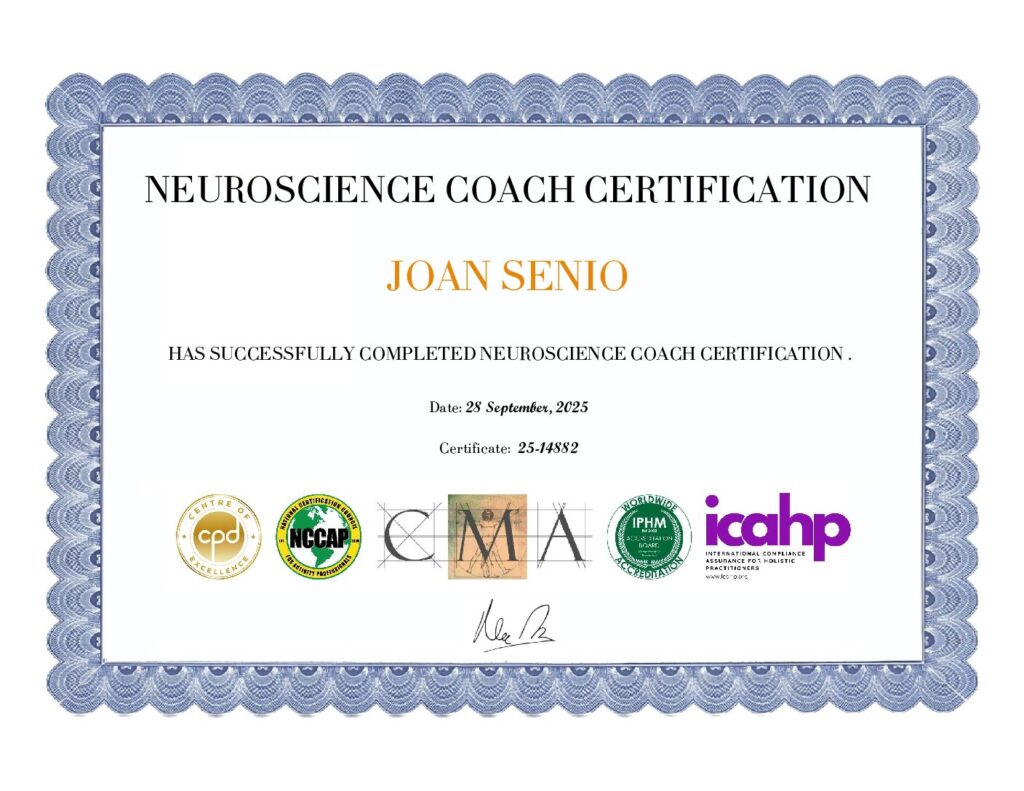
Joan Morabito Senio is the founder of Kindness-Compassion-and-Coaching.com. Joan’s career includes clinical healthcare plus 20+ years as an executive in a nationwide health care system and 15 years as a consultant. The common threads throughout Joan’s personal and professional life are a commitment to non-profit organizations, mental health, compassionate coaching, professional development and servant leadership. She is a certified Neuroscience Coach, member of the International Organization of Life Coaches, serves as a thought-leader for KuelLife.com and is also a regular contributor to PsychReg and Sixty and Me. You can read more about Joan here: Joan Senio.





No Responses