

Betrayal by someone you trusted. The sudden loss of a job or home. The unraveling of a lifelong friendship. Grief as a dream slips away. Heartbreak touches people of all ages, identities, and life stages. And while the world often rushes us to “move on,” learning how to recover from heartbreak requires something deeper: compassion, patience, and emotional safety. It takes time to learn how to heal a broken heart, but it can be done, with compassion and support.
Today, we offer evidence-based strategies to help you recover from heartbreak, no matter its source.
Because you deserve tools that support your healing.
Table of Contents
How to Heal a Broken Heart: Understanding Heartbreak
Heartbreak is a deeply human response to loss. It can stem from a wide variety of sources. A broken heart might come from a trusted friend or family member betraying you. A painful rift with a colleague or loved one. The loss of a beloved pet. A sudden end to a career you poured your soul into.
It can follow the foreclosure of a home filled with memories, the fading of a lifelong dream, or the grief of watching someone you love change in ways you can’t comprehend.
Children feel heartbreak when friendships dissolve or caregivers disappoint them. Teens feel it when identity and belonging are shaken. Adults feel it when relationships end, when purpose is lost, or when life takes a turn that they never saw coming. Elders feel it in the quiet ache of loneliness, estrangement from adult children, or in the loss of roles that once defined them.

Heartbreak doesn’t discriminate based on your age, your background, or your resilience. It simply arrives. And when it does, it can feel like your entire world has collapsed.
If you’re searching for how to heal a broken heart, know that your pain is valid and real.
Heartbreak is evidence of your capacity to love, to hope, and to care deeply. And the remedy lies not in rushing through the pain, but in tending to the very real symptoms of a broken heart with compassion.
The Biology Behind Heartbreak: Why It Hurts So Much
Heartbreak is emotional, but also deeply physiological. When we experience loss, the brain interprets it as a threat to survival, activating the same neural pathways as physical pain.
Studies using MRI scans have shown that having a broken heart stimulates areas like the dorsal anterior cingulate cortex and anterior insula, which are also triggered when we experience physical injury.
This overlap explains why heartbreak can feel like a punch to the chest or a persistent ache in the body.
From an evolutionary standpoint, humans are wired for connection. Pair mating, having a family and community relationships ensured safety, reproduction, and social belonging.
When those bonds are lost or threatened it sends the nervous system into a state of alarm, flooding the body with stress hormones like cortisol, adrenaline, and noradrenaline, while simultaneously depleting feel-good chemicals like oxytocin, dopamine, and serotonin.

This biochemical storm can lead to symptoms such as insomnia, loss of appetite, fatigue, anxiety, and even skin breakouts or high blood pressure. Elevated cortisol levels, in particular, can disrupt digestion, impair immune function, and intensify emotional reactivity.
This is part of the reason why healing from heartbreak isn’t just about “moving on.” It’s about recalibrating the nervous system, restoring hormonal balance, and re-establishing emotional safety.
The practices we share below help to soothe the vagus nerve and signal to the body that it’s safe again.
Understanding the biology behind heartbreak validates the depth of pain and empowers us to heal not just emotionally, but physiologically as well.
How to Heal a Broken Heart: The Healing Framework
Healing a broken heart is not about erasing pain. It’s about learning to hold it with compassion, and slowly, gently, make space for something new. No matter what the source of your heartbreak, the path forward begins with emotional safety and self-kindness.
Step 1: Ground Yourself in Safety
Heartbreak can dysregulate your nervous system. Begin with practices that restore a sense of calm:
- Breathwork (e.g., box breathing or 4-7-8 technique).
- Gentle movement like yoga or walking.
- Somatic tools: placing a hand on your heart, weighted blankets, grounding stones.
These help signal to your body: “You are safe now.” It’s the first step in learning how to heal a broken heart.
Step 2: Practice Self-Compassion
Heartbreak often brings shame, self-blame, or feelings of failure. Replace harsh inner dialogue with:
- Affirmations rooted in truth (“I am worthy of love and safety”).
- Journaling prompts like “What do I need to hear right now?”
- Mirror work or compassionate letter writing to yourself.
Self-compassion is not indulgent, it’s essential for emotional repair.
Step 3: Create Rituals of Release
Letting go is not forgetting. It’s honoring what was and choosing to move forward. Try:
- Writing a goodbye letter (even if you never send it).
- Burning or burying symbolic items.
- Using energy healing tools like sound bowls, crystals, or EFT tapping.
These rituals help you recover from heartbreak by giving your emotions a safe outlet.
Step 4: Reconnect with Your Values
Heartbreak can make you question who you are. Rebuild your identity by:
- Revisiting your core values and strengths.
- Creating a “resilience resume” of past challenges you’ve overcome.
- Visioning exercises: “What kind of life feels nourishing now?”
This step helps you shift from loss to possibility.
Step 5: Invite Support and Connection
Healing doesn’t happen in isolation. Reach out to:
- A trauma-informed coach or therapist.
- Trusted friends who hold space without judgment.
- Online communities or support groups.
Connection reminds you that you’re not alone and that healing is possible.
This framework is designed to be flexible. Whether your heartbreak is fresh or decades old, these steps can help you begin again with compassion, confidence, and courage.
Tools to Support You as You Learn How to Heal a Broken Heart
Healing from heartbreak is emotional, somatic, spiritual, and deeply personal. When you’re grieving a loss, your nervous system needs support. And so does your heart. Healing from it is not passive, it requires action. And the right tools can make that healing process feel safer, more grounded, and more empowering.
Below is a selection of resources to help you recover from heartbreak, each chosen for its emotional resonance, healing potential, and practical use.
These are evidence-informed tools that support emotional regulation, self-reflection, and somatic release.
How to Heal a Broken Heart: Recommended Resources
| Product | Mini-Review |
|---|---|
| The Abandonment Recovery Workbook | A compassionate guide through five stages of abandonment grief. Rebuild self-worth and emotional resilience. Ideal for those healing from heartbreak or rejection. |
| I Wasn’t Ready to Say Goodbye | An empathetic grief recovery book for sudden loss. Blends personal stories with practical coping strategies. Especially helpful for navigating shock, denial, and long-term grief. |
| Job Loss, Not Life Loss: A Step-by-Step Guide to Emotional, Financial, and Career Recovery | A pragmatic, emotionally intelligent guide to recovering from job loss. Covers financial planning, emotional healing, and career reinvention. Great for midlife professionals seeking purpose and stability. |
| When Parents Hurt: Compassionate Strategies When You and Your Grown Child Don’t Get Along | Offers compassionate strategies for parents navigating estrangement with adult children. Provides tools for self-forgiveness and boundary-setting. |
| The Healing Journey of Pet Loss: A Guide to Healing Your Heartbreak & Grief From the Loss of Your Pet Companion | A heartfelt guide to grieving a beloved pet. Ideal for pet parents seeking comfort and meaning after loss. |
| Grief and Loss Bracelet | A wearable symbol of healing and remembrance. Thoughtful gift for someone navigating grief. |
| Rules of Estrangement: Why Adult Children Cut Ties & How to Heal the Conflict | Joshua Coleman’s research-based guide to understanding adult child estrangement. Empowers parents to heal with or without contact. |
| Done with the Crying: Help and Healing for Mothers of Estranged Children | A compassionate, research-informed guide for parents (especially mothers) grappling with the emotional devastation of estrangement. |
| Done With the Crying WORKBOOK | A hands-on companion to Sheri McGregor’s book, designed for self-reflection and emotional recovery. |
| The Betrayal Bind: How to Heal When the Person You Love the Most Hurts You the Worst | Validates the push-pull dynamic in intimate betrayal and offers a roadmap for healing. Ideal for therapists and survivors. |
How to Heal a Broken Heart When You Feel Stuck
Sometimes, despite your best efforts, healing stalls. You journal, meditate, talk to friends; but the ache lingers, and finding ways to heal a broken heart seems elusive.

This is common, especially when heartbreak stems from deep-rooted loss: a betrayal by someone you trusted, the collapse of a career you built your identity around, or the grief of losing a home that held your history.
Signs of emotional stagnation can include persistent fatigue, intrusive thoughts, difficulty concentrating, or a sense that life has lost its color. You may find yourself avoiding connection, replaying painful memories, or feeling physically unwell. These are signals from your nervous system that it needs deeper care.
If you’re wondering how to heal a broken heart when nothing seems to help, it may be time to shift your approach.
Healing isn’t just emotional, it’s sensory, behavioral, and spiritual. Tools like weighted eye masks, affirmation decks, calming aromatherapy, and structured journals can help regulate your nervous system and reintroduce safety.
These tools can provide helpful intervention in the form of tactile, visual, and olfactory comfort that support emotional recovery when words fall short.
How to Heal a Broken Heart: Investing in Yourself is Essential
Heartbreak is a universal experience, but every healing journey is unique. Determine the resources you require to help you cope on the journey to recovery. Invest in healing products to provide yourself emotional support.
A journal can help you process what words can’t say aloud. An affirmation card reminds you of your worth when your inner voice falters. A calming roll-on soothes your nervous system when grief feels unbearable. An insightful book or workbook validates your feelings. These items can foster moments of self-kindness and validation that help you to rebuild your emotional foundation, self-worth and confidence.
If you’re truly ready to explore how to heal a broken heart, it’s time to act. Do something that speaks directly to your current emotional needs. Remind yourself healing is possible, and that you are worth the care and investment it takes to feel whole again.
For more support, visit How to Cope with Grief and Loss: Essential, Compassionate Strategies.
Thank you as always for reading.
Affiliate Disclosure: Some links in this post are affiliate links. As an Amazon Associate, we earn from qualifying purchases. Thank you for supporting Kindness-Compassion-and-Coaching.com at no extra cost to you.

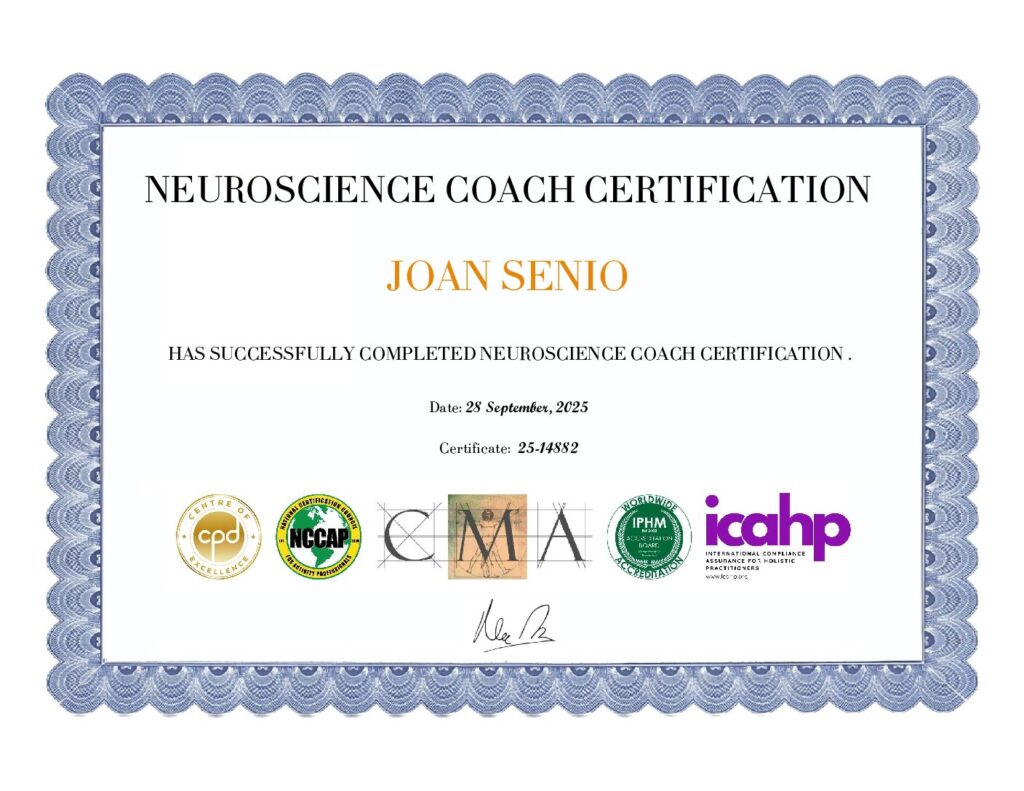
Joan Morabito Senio is the founder of Kindness-Compassion-and-Coaching.com. Joan’s career includes clinical healthcare plus 20+ years as an executive in a nationwide health care system and 15 years as a consultant. The common threads throughout Joan’s personal and professional life are a commitment to non-profit organizations, mental health, compassionate coaching, professional development and servant leadership. She is a certified Neuroscience Coach, member of the International Organization of Life Coaches, serves as a thought-leader for KuelLife.com and is also a regular contributor to PsychReg and Sixty and Me. You can read more about Joan here: Joan Senio.






No Responses