
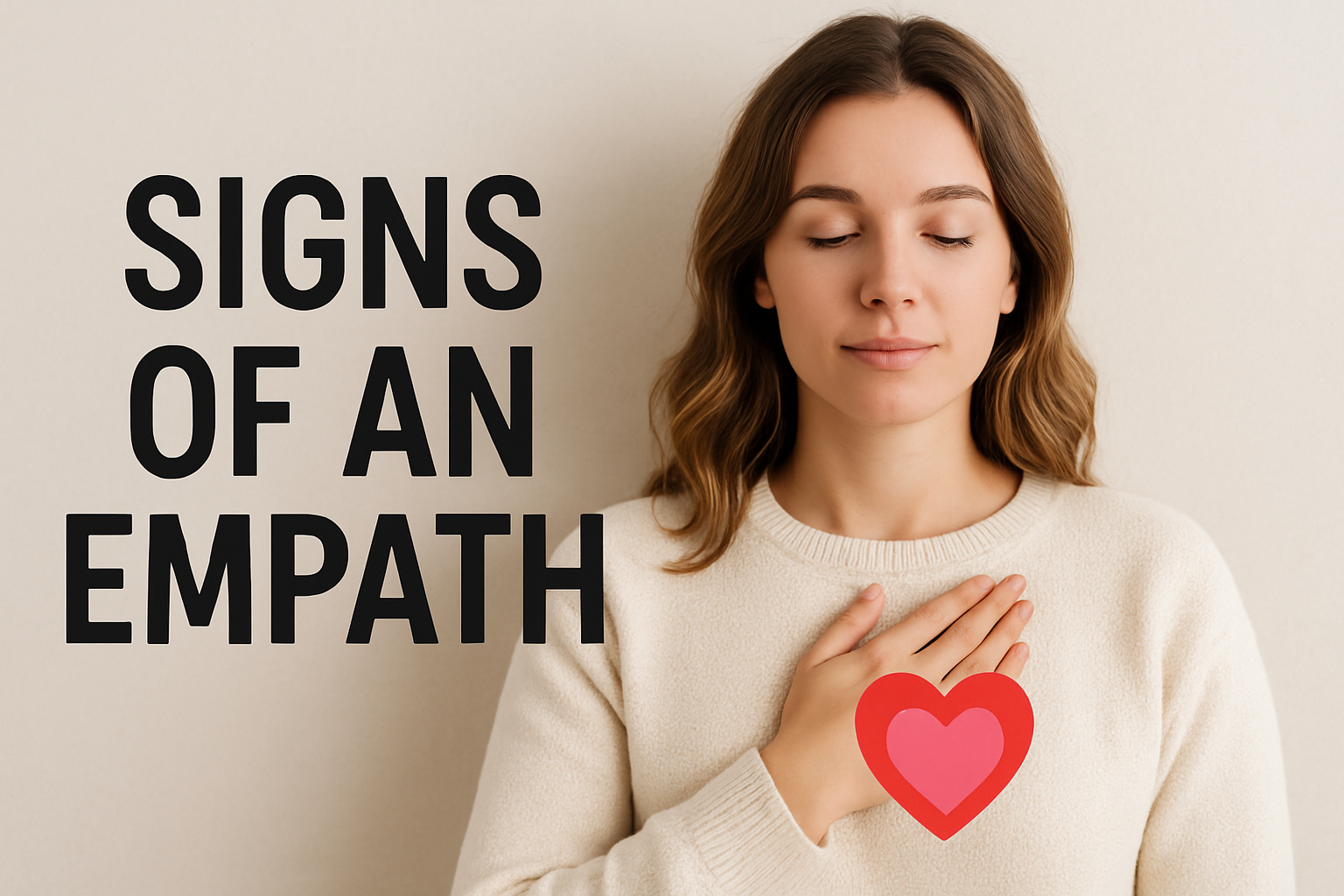
Some people move through the world with an extraordinary level of emotional awareness. They sense tension before anyone speaks and absorb the moods of others without trying. They feel deeply, intuitively, and often overwhelmingly. These are signs of an empath.
But empaths aren’t always “born this way.” Many discover that their sensitivity developed over time, shaped by the environments they grew up in and the emotional roles they learned to play.
If you’ve ever wondered why you feel so much, or why you seem to notice things others miss, this post will help you understand the experiences that can make someone more prone to be an empath.
What’s the Difference Between Empathy and Sympathy?
Growing Up in an Emotionally Unpredictable Environment
Children who grow up in emotionally unpredictable environments often develop a kind of internal radar long before they even realize what’s happening.
When a household is marked by sudden anger, shifting moods, or tension that simmers behind closed doors, a child’s nervous system adapts for survival.
They learn to read the room with extraordinary precision, tracking expressions, subtle changes in tone, the heaviness or lightness in someone’s energy. This constant scanning isn’t conscious. It becomes automatic. A way to stay one step ahead of potential conflict or emotional upheaval.
Over time, this hyper‑attunement can evolve into what we later recognize as empathic sensitivity.
As adults, these people often display the signs of an empath, and sense emotional undercurrents instantly. They pick up on what others feel before those feelings are spoken aloud. They anticipate needs, soothe tension, and notice shifts that most people overlook.
What began as a protective adaptation becomes a defining part of how they move through the world.
If this was your experience, your empathy is a finely tuned skill your nervous system built to keep you safe.
The challenge now is learning how to honor that sensitivity without letting it consume you, how to stay aware without absorbing everything, how to care without carrying it all.
This is the work of reclaiming your empathy as a strength rather than a burden.
Empathic vs. Empathetic: How to Know the Difference
Being Raised by a Parent with Big Emotions
Children who grow up with a parent who struggles with anxiety, depression, anger, or emotional instability often become emotional barometers without ever choosing the role.
When the emotional climate shifts unpredictably, a child learns to stay alert. To notice the tremor in a voice. The heaviness in a sigh. Or the way footsteps sound on the stairs.
They become skilled at anticipating what might happen next, adjusting their own behavior to prevent conflict, soothe distress, or keep the peace.
This kind of emotional labor is far beyond what a child should have to carry. Yet many take it on instinctively because it feels like the only way to stay safe or connected.
Over time, this constant monitoring creates a deep, almost intuitive attunement to others’ feelings.
As adults, these individuals begin to display more signs of an empath. This may include sensing tension before anyone speaks. Feeling responsible for others’ moods. Or struggling to distinguish their own emotions from the emotional waves around them.
What looks like empathy today often began as survival years ago.
If you grew up managing someone else’s emotional world, your sensitivity makes perfect sense. You were trained to notice everything.
The work now is learning how to honor that attunement while reclaiming space for your own inner experience.

Signs of an Empath: Early Caregiving Roles
Some children step into the role of “helper,” “fixer,” or “peacemaker” long before they have the language to describe what they’re doing.
In families where emotions run high or support is inconsistent, a child may learn to mediate arguments. Soothe a distressed parent. Comfort siblings who are overwhelmed.
These roles aren’t assigned. They emerge because the child senses what the family needs and instinctively fills the gap.
Over time, this early responsibility wires the brain for hyper‑attunement. The child becomes skilled at reading emotional cues. Anticipating tension. Stepping in to stabilize the environment.
What begins as survival becomes a familiar identity.
As adults, these people often find that people naturally open up to them. Strangers share their stories. Friends seek them out for comfort. They can walk into a room and immediately feel the emotional temperature.
This is learned emotional leadership, shaped by years of managing the feelings of others.
If this was your experience, your sensitivity is the result of years spent noticing, interpreting, and responding to emotional shifts.
The work now is learning how to use that gift without carrying the weight of everyone else’s inner world.
Take the Quiz: Are You an Empath?
Signs of an Empath: Previous Trauma or Chronic Stress
Trauma has a way of sharpening the senses in ways most people never see.
When someone lives through frightening, chaotic, or overwhelming experiences, the nervous system adapts to keep them safe. It becomes finely tuned to emotional shifts, changes in body language, and subtle variations in tone.
This vigilance is a survival response. The body learns to scan for danger before the conscious mind even registers what’s happening.
Over time, this heightened awareness can look a lot like intuition or empathic sensitivity. You may notice tension the moment you walk into a room or sense when someone is upset even if they’re smiling. You may feel the emotional “weather” around you with remarkable accuracy.
These traits are often associated with empaths, but in many cases, they began as protective adaptations to trauma.
This doesn’t mean trauma creates empathy. Empathy is a natural human capacity. But trauma can amplify it, intensifying your sensitivity to emotional undercurrents and making you more responsive to the feelings of others.
If you’ve lived through difficult experiences, your sensitivity may be less about fragility and more about resilience; your nervous system’s way of helping you navigate a world that once felt unpredictable.
Signs of an Empath: Highly Sensitive Temperament
Some people come into the world with a nervous system that is simply more open, more receptive, and more finely tuned than others. They feel things deeply, notice subtleties others overlook, and process both sensory and emotional information with greater intensity.
This isn’t something they learned or absorbed from their environment, it’s just part of their innate wiring.
A naturally sensitive nervous system often means stronger emotional awareness, quicker intuitive insights, and a tendency to absorb the moods or energies around them. These traits overlap closely with what many describe as empathic qualities.
Children with this temperament often show signs early on. They may be easily overwhelmed by loud noises, strong emotions, or chaotic environments.
They may need more time to decompress, or they may intuitively understand how others feel without being told. As they grow, this deep-processing style becomes a core part of how they relate to the world.
If you’ve always been sensitive, even before life experiences shaped you, your empathic traits may be rooted in who you are at a biological level.
Signs of an Empath: Strong Intuitive or Spiritual Orientation
Some people naturally lean toward intuition, introspection, and a deeper sense of inner awareness, and this orientation shapes how they perceive the emotional world around them.
Instead of focusing only on what is spoken or visible, they tune into the subtler layers of human experience like the pauses between words, the emotional tone beneath a conversation, the energetic “feel” of a room.
This isn’t something they force or consciously analyze; it’s simply how their mind and nervous system take in information.
They notice patterns others overlook, sense shifts in mood before they’re expressed, and pick up on emotional undercurrents that many people move right past.
This kind of perception isn’t about mysticism or supernatural ability. It’s a way of relating to the world that is more subtle, more relational, and more energetically aware.
People with this temperament often describe feeling connected to something deeper, whether that’s intuition, spirituality, or a quiet inner knowing that guides them.
If you’ve always been someone who senses more than others seem to, your empathic awareness may be rooted in this intuitive style of perception. It’s part of how you’re wired to understand the world, and it can be a profound strength when you learn to trust it and use it with intention.
Signs of an Empath: Relationships with Emotionally Demanding People
Long‑term relationships with partners, friends, or family members who rely heavily on your emotional support can gradually shape the way you show up in the world.
When you’re consistently the one who listens, soothes, mediates, or absorbs the emotional weight of the relationship, your nervous system adapts.
You start anticipating needs before they’re spoken, softening your own reactions to keep the peace, or tuning in so closely to someone else’s inner world that your own feelings slip into the background.
Over time, this conditioning strengthens empathic patterns, because you’ve been practicing emotional caretaking for years.
In these dynamics, it’s easy to become more attuned to others’ needs than your own. You may find yourself scanning for shifts in mood, adjusting your behavior to avoid conflict, or stepping into the role of emotional anchor without even thinking about it.
These habits can deepen empathic tendencies to the point where you feel everything intensely, sometimes even to the edge of emotional exhaustion.
If this resonates, it means you’ve learned to navigate relationships by tuning in deeply. The next step is learning how to stay connected without losing yourself in the process.
Learn How to Use Self-Compassion to Cope with Family Stress
How to Recognize the Signs of an Empath in Yourself
If you recognize yourself in any of these signs of an empath, it means your sensitivity has a history; a story shaped by the environments you grew up in, the relationships you navigated, and the way your nervous system learned to keep you safe.
Sensitivity doesn’t appear out of nowhere.
It develops through patterns of attunement, responsibility, intuition, or survival that were woven into your life long before you had words for them.
When you begin to understand where your empathy comes from, you gain the power to work with it rather than feel overwhelmed by it.
The awareness that you demonstrate signs of an empath is a key step forward. It will help you to use your sensitivity more wisely, protect your energy, and honor your own emotional needs with the same care you’ve always offered others.
This process is not about changing who you are.
It’s about acknowledging that you deserve support, boundaries, and tools that help your sensitivity feel like a strength instead of a burden.
Empaths can often feel worn out, and at least a part of that exhaustion can stem from compassion fatigue. When you feel what others feel so strongly, it takes its toll. But with the right practices, your empathy can become a source of deeper connection with yourself and others, as you learn to also protect your sense of self and energy in the process.
Learn How to Activate Your Care Circuit and Find Relief from Compassion Fatigue.
Thank you, as always, for reading.
Some links in this post may be affiliate links. That means that we may receive a small commission at no cost to you when you purchase anything via one of these links. These commissions help us keep Kindness-Compassion-and-Coaching.com a free resource, as they help to cover website expenses. Thank you for your support.

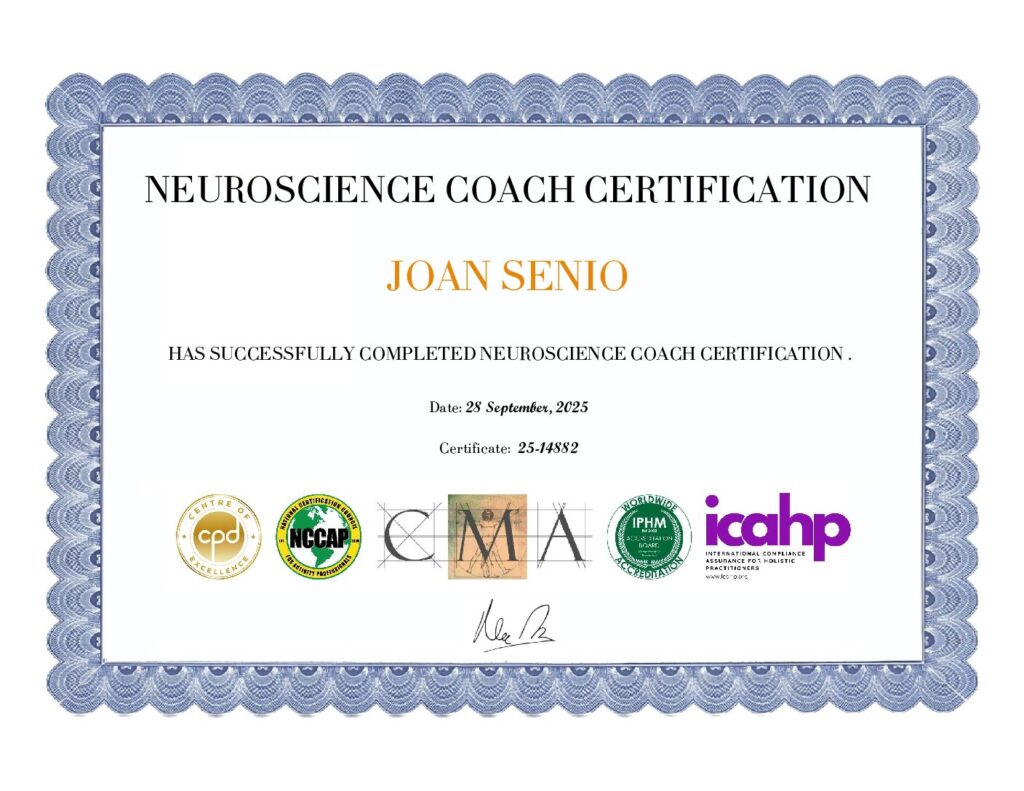
Joan Morabito Senio is the founder of Kindness-Compassion-and-Coaching.com. Joan’s career includes clinical healthcare plus 20+ years as an executive in a nationwide health care system and 15 years as a consultant. The common threads throughout Joan’s personal and professional life are a commitment to non-profit organizations, mental health, compassionate coaching, professional development and servant leadership. She is a certified Neuroscience Coach, member of the International Organization of Life Coaches, serves as a thought-leader for KuelLife.com and is also a regular contributor to PsychReg and Sixty and Me. You can read more about Joan here: Joan Senio.




2 Responses
I’d just like to thank you for these blog posts, they are so well-written and informative. Every time I read one, I learn something new and meaningful. Thank you so much for sharing this information.
Thank you so for your comment, Paula. It means so much! I truly appreciate it. Joan