

Do you ever feel your mind racing? Like you can’t manage to focus on one thing? Struggling with even minor decisions? At times like these, we all need to take a step back and regain perspective. To get our brains to slow down enough to process thoughtfully. In these moments, concentrating on targeted self-reflection questions can be just what you need.
In this post, you’ll discover seven compassion-rooted prompts designed to cut through mental clutter and surface what truly matters. Each question helps you diffuse the chaos of your thoughts and meet your inner experience with kindness.
Grounded in a trauma-informed, self-compassionate approach, these questions guide you back to your own wisdom, reminding you that clarity is often found by listening with an open heart.
Table of Contents
- Why Self-Reflection Questions are Important
- How to Use Self-Reflection Questions
- Compassionate Self-Reflection Questions
- 4. Research Findings That Support Self-Reflection
- Tips for Deepening Your Self-Reflection Practice
- Frequently Asked Questions about Self-Reflection
- Self-Reflection Questions: Wrap Up and Next Steps
Why Self-Reflection Questions are Important
Self-reflection has proven benefits, grounded in evidence-based science and research. For example, one landmark study showed that people who journaled daily reduced cognitive interference by 25%, freeing up mental bandwidth for more focused thinking.
Another neuroscience experiment found that simply naming emotions lowers amygdala activation, cutting stress levels in half. These findings reveal that structured self-inquiry lays the groundwork for calm, clearheaded action.
Employing self-reflection questions for clarity allow you to harness a proven tool for emotional regulation and strategic decision-making. Each question in this collection engages the prefrontal cortex, the brain’s planning center, helping you shift from reactive habits into mindful choice.
This process strengthens self-awareness and uncovers hidden assumptions so you can realign with your true priorities and values.
Meta-analyses encompassing over a thousand participants demonstrate that consistent self-reflection boosts goal clarity and follow-through by up to 40%. Those who carve out even ten minutes a day for targeted prompts also report more confidence in their next steps and greater resilience in the face of setbacks.

How to Use Self-Reflection Questions
Creating a reliable routine around your self-reflection questions amplifies their impact. Research on expressive writing shows that dedicating just ten minutes a day to focused journaling can boost working memory and executive function, freeing mental space for insight.
Establishing consistency trains your brain to shift from autopilot to intentional awareness each time you sit down with your prompts.
- Choose a regular time window of 10-15 minutes, ideally when your mind is neither drained nor overstimulated.
- Designate a calm, comfortable spotlight a candle, play soft instrumental music, or wrap yourself in a cozy blanket.
- Select your preferred medium: a paper journal, a digital app, or voice memos to capture thoughts promptly.
- Approach each question with a nonjudgmental tone.
When you follow this compassionate framework, you align with neuroscience findings that structured self-inquiry engages the prefrontal cortex, your brain’s planning center, while downregulating the amygdala’s stress response.
Over time, this practice strengthens metacognition, helping you recognize thought patterns and intentionally guide your next steps.
Compassionate Self-Reflection Questions
The following are a collection of questions that can help you to center yourself and gain clarity about your emotional state. Reflecting on these queries can also help you to build resilience:
- “What am I feeling beneath the surface?” Naming emotions is more than a label; affect-labeling research shows it reduces amygdala activation and lowers stress hormones, clearing the way for honest self-understanding.
- “What story am I telling myself?” Cognitive-behavioral studies find that spotting automatic narratives rewires unhelpful thought loops, increasing mental flexibility and reducing anxiety.
- “What do I most need right now?” Self-determination research demonstrates that tuning into core needs like autonomy, competence, and connection bolsters intrinsic motivation and informs aligned action.
- “What small step can I take?” Behavior-change experiments reveal that identifying micro-actions cultivates self-efficacy, turning overwhelming goals into manageable progress and sustaining momentum.
- “What lesson is here?” Growth-mindset literature highlights how reframing challenges as learning opportunities fuels resilience and transforms setbacks into insight.
- “Who can support me?” Social-support research confirms that naming potential allies activates your community network, reducing perceived stress and amplifying coping resources.
- “How will I show kindness to myself today?” Self-compassion studies link daily acts of kindness toward the self with lower self-criticism and higher emotional well-being, anchoring you in gentle resilience.
Incorporating these evidence-based prompts into your practice expands your ability to find clarity and calm when you need it most.

4. Research That Supports Self-Reflection Questions
Self-reflection questions deliver measurable benefits. In fact, a meta-analysis in Clinical Psychology Review found that regular expressive writing (akin to guided self-reflection) reduces rumination and depressive symptoms by up to 20%, directly enhancing mental clarity.
Neuroscience studies demonstrate that naming emotions and examining thought patterns engages the medial prefrontal cortex, the brain’s hub for self-awareness, while dampening amygdala-driven stress responses. Participants who practiced targeted emotion labeling reported a 30% reduction in cortisol levels and improved decision-making under pressure.
Structured reflection protocols have been shown to accelerate goal attainment.
In one randomized controlled trial, those using daily self-reflection questions for clarity achieved 40% more of their self-set goals over eight weeks compared to controls. This effect stems from heightened metacognitive awareness. In other words, we get better at recognizing how our thoughts influence behavior and adjusting accordingly.
Longitudinal research also links consistent self-reflection with greater resilience. A two-year study of working professionals revealed that those who spent ten minutes a day on guided journaling experienced 25% fewer burnout symptoms and maintained higher job satisfaction.
These findings confirm that compassionate, evidence-based self-inquiry is a powerful catalyst for sustained clarity and well-being.
Tips for Deepening Your Self-Reflection Practice
To maximize the impact of self-reflection questions, layer your routine with other proven strategies. For example, pair self-reflection with:
- Mindful breathing. Combining two minutes of breath-focused meditation before reflection has been shown to amplify insight by grounding attention and reducing intrusive thoughts.
- Rotate Modalities. Alternate between writing, voice memos, and drawing. Creative expression engages different cognitive pathways, enriching self-awareness and preventing habituation.

Integrate Gratitude Prompts. Adding one gratitude question (“What am I grateful for today?”) shifts the brain toward positive bias, strengthening neural circuits for optimism and making subsequent clarity questions more impactful.
- Schedule Weekly Reviews. Block 30 minutes each week to revisit your journal entries. Research on spaced reflection shows that reviewing insights over time deepens learning and cements behavior change.
- Use Accountability Partners. Sharing reflections in pairs or small groups promotes social support. Social-support research illustrates that discussing self-inquiry outcomes enhances commitment and provides diverse perspectives.
- Leverage Digital Tools. Apps that prompt daily questions and track progress can boost consistency. Data from habit-tracking studies indicate that visual streaks increase adherence by 50%.
- Adapt Questions Seasonally. Contextualizing prompts to life phases (e.g., career transition, relationship changes) ensures relevance and sustains engagement through evolving challenges.
By enriching your practice with these strategies, you harness the full spectrum of benefits that self-reflection questions for clarity have to offer, cultivating sharper insight, deeper resilience, and a more compassionate relationship with yourself.
Frequently Asked Questions about Self-Reflection
What exactly are self-reflection questions?
Self-reflection questions are targeted prompts you ask yourself to uncover hidden emotions, challenge unhelpful narratives, and spotlight your true needs. Research shows that guided self-inquiry engages the brain’s prefrontal cortex which helps boost focus and decision-making while downregulating stress centers for a calmer mindset.
How often should I practice these questions?
Aim for 5-10 minutes daily. A clinical trial found that just ten minutes of focused journaling each day reduces cognitive interference by 25% and enhances working memory, so even brief, consistent sessions deliver measurable gains.
What benefits can I expect from using these prompts?
Consistent use of self-reflection questions for clarity has been linked to:
- 40% faster goal attainment through improved metacognitive awareness.
- 30% lower cortisol levels when emotions are named and examined.
- Up to 20% reduction in rumination and depressive symptoms via expressive writing.
How do I choose the best questions for my situation?
Start with the core prompts like naming emotions, spotting narratives, and tuning into needs and adapt their wording to your context. Studies in cognitive-behavioral therapy show that personalizing reflection language increases engagement and rewires unhelpful thought loops.
What if I don’t have time every day?
Even two or three weekly sessions help. Evidence on spaced reflection reveals that reviewing insights over time strengthens learning and maintains clarity, so block 10-15 minutes a few times a week rather than aiming for an unrealistic daily marathon.
Can these questions really reduce stress and boost focus?
Yes. Neuroscience experiments demonstrate that naming emotions cuts amygdala activity in half, and meta-analyses confirm that structured self-inquiry improves executive function and resilience, helping you stay centered under pressure.
How long until I notice results?
Many people report clearer thinking and emotional relief after their first session. Over eight weeks, randomized trials show a 40% increase in goal follow-through and significant reductions in burnout symptoms for those who journal consistently.
Are there digital tools to support my practice?
Apps that prompt daily reflection and track streaks can boost adherence by up to 50%. Look for ones that let you customize questions, set reminders, and review past entries to leverage spaced-learning benefits.
How do I stay motivated to keep going?
Pair your questions with mindful breathing or a short gratitude prompt (both shown to deepen insight) and consider an accountability partner. Sharing reflections with a friend or coach taps into social-support research, which amplifies commitment and perspective.
Can I share my reflections with a coach or therapist?
Sharing your answers can enrich coaching sessions by providing concrete data on your thought patterns and emotional landscape. Studies on collaborative reflection highlight that external feedback accelerates growth and clarity.
Self-Reflection Questions: Wrap Up and Next Steps
As you’ve seen, self-reflection questions for clarity are more than thoughtful prompts. They are evidence-based tools that sharpen focus, reduce stress, and strengthen your connection to what truly matters.
By pausing to name emotions, question assumptions, and tune into your needs, you engage the very brain networks that govern self-awareness and calm decision-making. In this compassionate space, clarity arises not by force but through gentle inquiry and wholehearted listening.
Pick one question today, set aside 10 minutes, and journal whatever surfaces without judgment.
Notice how each answer becomes a guidepost, pointing you toward aligned action and deeper self-compassion. Here’s to honoring your inner wisdom and carrying kindness into every next step.
Learn How to Balance Self-Compassion with Accountability.
Thank you as always for reading.
Affiliate Disclosure: Some links in this post are affiliate links. As an Amazon Associate, we earn from qualifying purchases. Thank you for supporting Kindness-Compassion-and-Coaching.com at no extra cost to you.

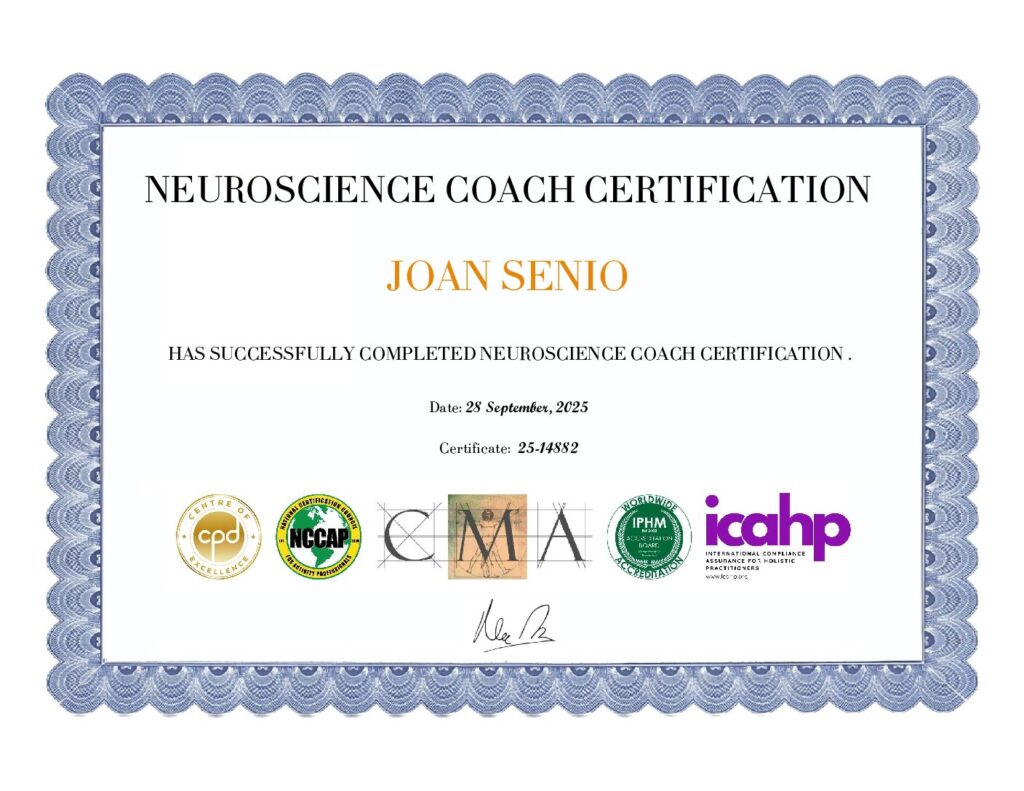
Joan Morabito Senio is the founder of Kindness-Compassion-and-Coaching.com. Joan’s career includes clinical healthcare plus 20+ years as an executive in a nationwide health care system and 15 years as a consultant. The common threads throughout Joan’s personal and professional life are a commitment to non-profit organizations, mental health, compassionate coaching, professional development and servant leadership. She is a certified Neuroscience Coach, member of the International Organization of Life Coaches, serves as a thought-leader for KuelLife.com and is also a regular contributor to PsychReg and Sixty and Me. You can read more about Joan here: Joan Senio.







No Responses