

A major life change such as a loss of a loved one, relocation, career pivot, or other planned or unplanned, positive or negative, shift can leave you feeling unmoored, as though the person you once knew has slipped just out of reach.
Today’s article is dedicated to helping you find yourself after a life change, including rediscovering the beliefs, values, and strengths that define your truest self.
Table of Contents
Recognizing Major Life Change
Understanding how to find yourself after a life change begins with acknowledging what kinds of shifts can shake your sense of self.
Disruption can arrive in many forms, each carrying its own mix of grief, excitement, and uncertainty.
Naming the type of change you are navigating can help you begin to build compassion for yourself and ready you for the work ahead.
Which of these categories of major life change resonate most with you?
- Career transition: a promotion or demotion, layoff, retirement, or decision to start a new path.
- Relocation: moving to a new city, country, or community.
- Relationship shift: marriage, divorce, breakup, or an evolving friendship.
- Family evolution: becoming a parent or empty nester or taking on a caregiving role.
- Health and wellness upheaval: diagnosis of a serious illness, recovery from injury, or mental health challenges.
- Loss and grief: bereavement for loved ones or the end of a meaningful bond.
- Identity awakening: graduation, a spiritual or creative renaissance, or a major lifestyle overhaul.
As you anticipate, prepare for and begin to navigate change, give yourself the gift of understanding.
This lays a helpful foundation for healing and recovery when you begin to again find yourself after a life change.
How to Cope with Grief and Loss: Essential, Compassionate Strategies
Reflecting on Your Identity Before and After a Life Change
How to find yourself after a life change begins with curiosity about who you were and who you are becoming. Look back without judgment to further develop a compassionate foundation for moving forward.
Consider these reflection prompts:
- What roles and values defined the “you” before this shift?
- Which passions, routines, or relationships brought you the greatest joy?
- What beliefs about yourself felt solid and which ones felt fragile?
Next, map the impact of your life change:
- Note what aspects of your former self have naturally carried over.
- Acknowledge parts that faded, were set aside, or no longer resonate.
- Observe any new beliefs that emerged, both empowering and limiting.
By tracing this before-and-after landscape, you invite clarity about the core strengths you can reclaim and the unhelpful narratives you’re ready to release.
This mindful inventory becomes a compass for each future step in rediscovering your authentic self.
15 Mental Self-Care Tips: How to Improve Well-Being Now

Navigating Emotions After a Life Change
As you explore how to find yourself after a life change, you may encounter a tide of emotions that feels overwhelming.
Grief, relief, anger, and hope can all arise at once, leaving you unsure which feeling to follow.
Acknowledging this swirl without judgment creates healthy space for healing and self-discovery.
Transitioning into a new chapter often lands you in an “in-between” zone: neither who you were nor who you’re becoming.
This uncertainty can trigger doubt and discomfort, but it also holds the seeds of growth.
Leaning into these feelings with kindness lays the groundwork for clarity and resilience.
Consider naming and holding each emotion with self-awareness:
- Grief: Honoring losses of roles, routines, or relationships.
- Disorientation: Recognizing that feeling unmoored is a natural response.
- Identity loss: Allowing space to mourn aspects of your former self.
- Hope and curiosity: Nudging yourself toward what sparks even a flicker of joy.
By validating and witnessing your inner experience, emotional turbulence can slowly evolve into a guiding compass, one that shows you exactly where to turn next on the path of rediscovery.
Self-Discovery Journal Prompts: How to Find Your Authentic Self
Practical Steps After a Life Change
Compassionate, hands-on practices can help you learn how to find yourself after a life change.
These steps offer trauma-informed tools to help you gently reconnect with your core self.
- Targeted Journaling Prompts. Begin each morning by writing, “Today, I want to explore how to find myself after a life change by…”. Reflect on moments that felt most alive before your shift and describe those sensations in detail.
- Experiment with New Interests. Schedule trials of activities you’ve longed to try such as painting, dancing, or learning a language. After each session, note how your body and mind respond: energy levels, excitement, and any resistance.
- Mindfulness and Somatic Practices. Practice a five-minute body scan while asking, “What parts of me are present right now?” Incorporate breathwork breaks to anchor yourself when emotions swell during your journey of how to find yourself after a life change.
- Community Connection and Coaching. Seek out supportive circles or online groups focused on life transitions and identity work. Partner with a coach or accountability buddy trained in trauma-sensitive approaches.
Each of these practical steps invites you to move from questioning how to find yourself after a life change into embodied action, one compassionate choice at a time.
Mindfulness for Beginners: All You Need to Get Started Now
Rebuilding Confidence After a Life Change
Finding yourself after a life change often requires us to relearn to trust our own voice and choices.
Confidence can feel fragile when everything has shifted, but by intentionally reinforcing our emerging self, we create steady ground for growth and authenticity.
Reclarify core values and nonnegotiable. When you know what truly matters (such as honesty, creativity or connection), you can make decisions that honor your evolving identity.
From there, draft a personal vision statement that speaks directly to who you’re becoming. This living manifesto might read, “I am a compassionate leader who embraces curiosity and resilience,” or whatever resonates most for you now.
Celebrate each win along the way. Small victories like finishing a journal entry, completing a mindful walk, speaking your truth in a conversation, are proof points of progress.
Noticing and naming them builds a positive feedback loop that gradually shores up self-belief.
- Clarify your core values. List 5-7 values that light you up and ask, “Does this align with who I want to be?” Circle your top 3 and use them as daily decision filters.
- Craft a personal vision statement. Write in present tense, as if you’re already embodying your next chapter. Post it somewhere visible to anchor your choices.
- Celebrate wins. Keep a “confidence log” of even tiny successes. Share these wins with a trusted friend or coach for added encouragement.
By adding these practices to your daily life, you begin a confident, ongoing exploration; one where each step forward becomes both proof and promise of the authentic you.
How to be Authentic: Learning to Balance Safety and Openness
Making Life After Change Sustainable
Rediscovering yourself after a life change is an ongoing effort.
Embedding routines and intentional check-ins into your life ensures that insights don’t fade and your authentic identity continues to emerge and flourish.
- Self-check-ins. Block 15 minutes each week to revisit your journey. Use a simple prompt (“What showed up for me this week?”) and a quick body scan to note shifts in emotions, energy, and values.
- Reflection and goal adjustment. Every few months, review your confidence log, vision statement, and wins. Ask: “How has my path guided my next goals?” and tweak your practices to stay aligned.
- Soul-nurturing rituals. Use rituals like adding to a gratitude list, or enjoying a solo nature retreat, to honor your ongoing growth. Anchor each with a brief affirmation: “I choose to find myself after a life change with curiosity and compassion.”
- Community connection and accountability. Share your check-in rhythms and reflections with a coach or supportive peer circle. Co-create accountability reminders (texts, calendar alerts, group prompts) that reinforce why learning how to find yourself after a life change matters.
By including these practices into your everyday rhythm, the question of how to find yourself after a life change becomes a living, loving practice; one that continues to guide you toward deeper clarity, confidence, and compassion.
Wrap Up and Next Actions
Learning how to find yourself after a life change is a new and ongoing unfolding of your truest self.
Each insight, journal entry, and mindful breath brings you closer to the person you were or are meant to be. As you move forward, remember that compassion for yourself fuels every step.
For more inspiration, visit 100+ Self-Care Journal Prompts: How to Find Self-Love Now.
Here are some other possible next actions to keep your momentum:
- Share your story. Your experience can light the way for others.
- Dive into related resources. Explore articles on identity and resilience.
- Anchor with accountability. Schedule a 15-minute weekly check-in with a coach or accountability partner to honor what’s surfaced during your exploration.
- Celebrate and revisit. Mark your wins in a confidence log, then revisit them quarterly to see how far you’ve come.
With each choice to show up with curiosity and kindness, you’re creating a life that truly reflects the authentic you.
Related resources you may find helpful include Intolerance of Uncertainty: How to Thrive in Ambiguity.
Thank you as always for reading.
Affiliate Disclosure: Some links in this post are affiliate links. As an Amazon Associate, we earn from qualifying purchases. Thank you for supporting Kindness-Compassion-and-Coaching.com at no extra cost to you.

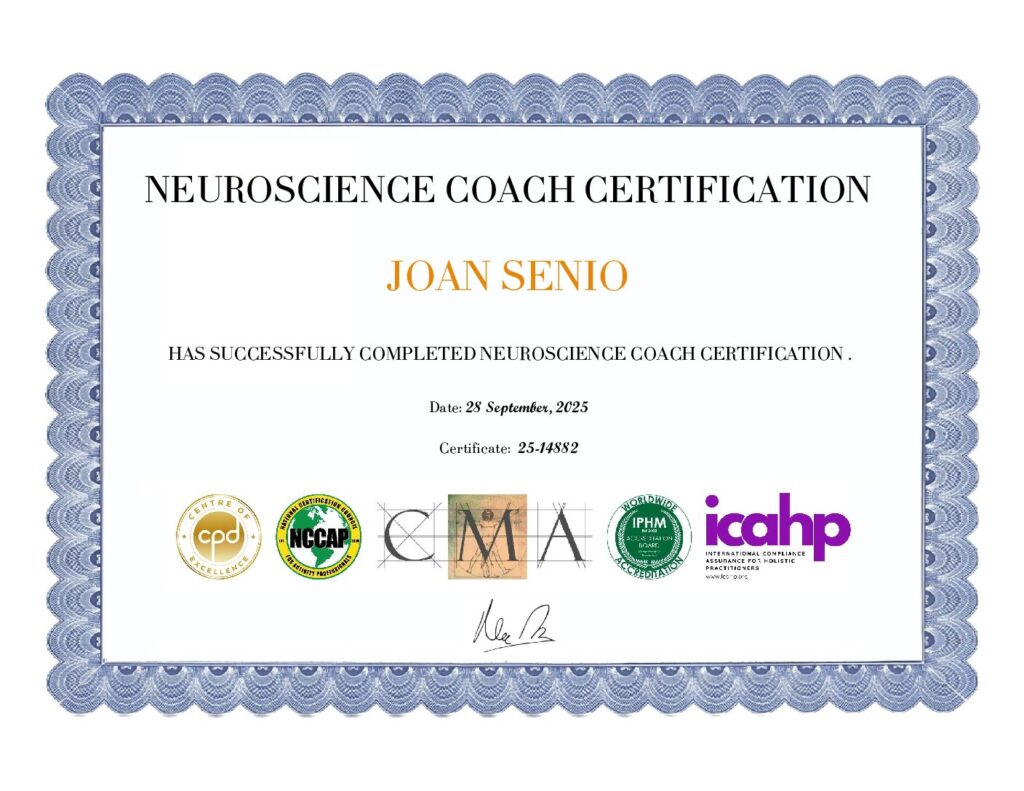
Joan Morabito Senio is the founder of Kindness-Compassion-and-Coaching.com. Joan’s career includes clinical healthcare plus 20+ years as an executive in a nationwide health care system and 15 years as a consultant. The common threads throughout Joan’s personal and professional life are a commitment to non-profit organizations, mental health, compassionate coaching, professional development and servant leadership. She is a certified Neuroscience Coach, member of the International Organization of Life Coaches, serves as a thought-leader for KuelLife.com and is also a regular contributor to PsychReg and Sixty and Me. You can read more about Joan here: Joan Senio.





No Responses