

Authenticity is often praised as a virtue. We’re told: “just be yourself”. But for many, learning how to be authentic is a complex, emotional process shaped by fear and our own personal experiences.
Sadly, we often learn early that vulnerability can carry consequences: rejection, judgment, exclusion, or even punishment. Some of us have been taught (explicitly or implicitly) that parts of who we are may be “too much,” “not enough,” or simply unsafe to reveal.
Whether shaped by trauma, cultural expectations, workplace norms, or relationship expectations, our instincts to protect ourselves are evidence of wisdom we’ve acquired based on our own experiences. These lessons don’t just fade away. They inform how we protect ourselves, how we relate to others, and how we decide what parts of ourselves feel safe enough to share.
To live a life that is truly wholehearted, we need to find a sensitive balance. One that allows us to demonstrate our true authentic selves, while maintaining the boundaries and privacy that help to preserve our emotional safety.
It sounds complex and challenging because it is.
Why Is Authenticity Important?
Before we explore how to be authentic, it’s worth asking: why does authenticity matter in the first place?
Authenticity is a psychological necessity. When we suppress our truth to meet expectations, avoid conflict, or protect ourselves from rejection, we may gain short-term safety but lose long-term vitality. Over time, this disconnection from self can lead to emotional exhaustion, strain, and a sense of internal fragmentation.
Authenticity Supports Emotional Safety and Self-Awareness
Being authentic means being congruent. When our inner experience aligns with our outer expression, we feel more grounded, present, and emotionally safe. This congruence strengthens self-awareness, reduces internal tension, and allows us to navigate relationships with greater clarity and integrity.
Authenticity Builds Trust and Connection
Authenticity is attractive because it signals honesty, courage, and relational safety. Whether in leadership, caregiving, or friendship, showing up with discernment and vulnerability invites others to do the same. It creates space for real connection.
Authenticity Is a Compass for Ethical Decision-Making
In moments of tension, ambiguity, or moral complexity, authenticity helps us stay anchored to our values. It’s about choosing actions that reflect who we are and what we stand for. This is especially critical for leaders and caregivers who must balance influence with integrity.
Letting Go of Perfectionism | Embracing Wholehearted Living
How to Be Authentic: A Trauma-Informed Lens on Risk and Self-Protection
Learning how to be authentic isn’t just about “being real.” It’s also about understanding the psychological terrain that makes authenticity feel risky. For many, the instinct to withhold, mask, or perform are protective strategies that have emerged from lived experiences where vulnerability led to harm, exclusion, or emotional overwhelm.
The Neuroscience of Vulnerability
Our brains are wired to detect social threat. When authenticity feels unsafe, the amygdala activates a cascade of protective responses: fight, flight, freeze, or fawn. These are adaptive mechanisms designed to preserve connection and minimize harm.
Protective Adaptations as Intelligence
A history of navigating environments where authenticity was punished or misunderstood can result in behaviors like people-pleasing, emotional suppression, or strategic silence. In trauma-informed terms, these are not “inauthentic” behaviors; they are survival strategies that deserve compassion.
Attachment and Belonging
Early relationships teach us what parts of ourselves are welcome. If authenticity was met with attunement, we learn to trust it. If it was met with shame or neglect, we learn to fragment. Understanding how attachment patterns shape our authenticity threshold is key to reclaiming our wholeness.

How to Be Authentic in a World That Shapes What Feels Safe to Share
Understanding how to be authentic requires more than personal introspection. It demands awareness of the cultural, relational, and systemic forces that shape our self-expression. Authenticity doesn’t happen in a vacuum. It’s filtered through the expectations, norms, and power dynamics of the environments we inhabit.
Cultural Scripts and Identity Expectations
From childhood, we absorb messages about what is “acceptable” based on gender, race, class, religion, and other identity markers. These scripts often dictate emotional expression, communication style, and even the roles we’re allowed to play. For many, authenticity means navigating a complex tension between personal truth and cultural survival.
Workplace Norms and Strategic Impression Management
Professional environments often reward conformity, emotional restraint, and role-based performance. Leaders and employees alike may feel pressure to suppress parts of themselves to maintain credibility or avoid conflict. In these contexts, authenticity becomes a strategic act, one that requires discernment, not full disclosure.
Relational Contracts and Unspoken Agreements
Every relationship carries implicit rules about what is “safe” to share. In some families, emotional vulnerability is welcomed; in others, it’s met with discomfort or dismissal. Friendships, romantic partnerships, and caregiving roles all come with their own relational contracts. Learning how to be authentic means recognizing these dynamics and choosing when to honor, challenge, or renegotiate them.
How to Be Authentic: Navigating the Paradox of Vulnerability and Discernment
Learning how to be authentic means grappling with a central paradox: the desire to be seen and known versus the fear of being misunderstood or harmed. Authenticity is not a binary state. It’s a dynamic, context-sensitive practice that requires emotional safety, self-awareness, and strategic courage.
How to Be Authentic Without Overexposing Yourself
Authenticity doesn’t mean full transparency. It means aligning your internal truth with your external expression in ways that honor both your values and your boundaries. Overexposure can lead to emotional injury or rupture relationships, especially in environments that lack psychological safety. The goal is not radical openness, but intentional alignment.
How to Be Authentic with Discernment and Emotional Safety
Discernment is the ability to assess when, where, and how much of yourself to reveal. Self-awareness and emotional intelligence nurture our ability to effectively discern. Emotional safety (both internal and external) is the foundation. Without it, authenticity becomes a gamble rather than a gift.
Internal safety comes from self-compassion, nervous system regulation, and a clear sense of identity. External safety depends on trust, reciprocity, and the presence of relational agreements that support truth-telling.

How to Be Authentic While Honoring Complexity
Authenticity is not necessarily about being consistent. You’re allowed to be multifaceted, evolving, and contextually responsive. What’s authentic in one moment may shift in another. Honoring this complexity means letting go of rigid self-definitions and embracing the fluidity of human experience.
The Courage to Be Authentic: A Risk-Reward Framework
Courage is the willingness to act despite fear. A risk-reward matrix can help you assess when authenticity serves growth, connection, or integrity and when it may require pause or protection.
| Context | Authenticity Risk | Potential Reward | Recommended Action |
|---|---|---|---|
| Unsafe workplace | High | Low | Strategic withholding |
| Trusted friendship | Low | High | Vulnerable sharing |
| New relationship | Moderate | Moderate | Gradual self-reveal |
| Public platform | Variable | Variable | Values-based discernment |
How to Be Authentic: Conceptual Models for Courageous Self-Expression
Have you ever wondered how to be authentic without feeling exposed, unsafe, or misunderstood? Context influences our ability and desire to be authentic. To support this practice, we need more than encouragement. We need frameworks that help us think clearly, act wisely, and lead with heart.
This section introduces three conceptual models that illuminate the why, when, and how of authentic expression. These visual tools can help you to navigate complexity more confidently.
The Window of Tolerable Authenticity
Adapted from the “Window of Tolerance” in trauma theory, this model helps you assess your emotional bandwidth for self-expression in any given moment. It invites you to ask:
- Am I in a state of grounded self-awareness, or am I activated (anxious, shut down, hypervigilant)?
- Is this a moment to stretch into courageous vulnerability or to pause and regulate first?
- What level of authenticity feels tolerable, not overwhelming?
This model supports emotional safety by honoring your nervous system’s signals, not overriding them.
The Authenticity Spiral
Authenticity builds as a spiral. Each act of self-expression builds (or erodes) trust, both internally and relationally. The Authenticity Spiral illustrates how small, intentional disclosures can create upward momentum toward deeper connection and congruence.
- Inner ring: Self-awareness and internal alignment.
- Middle ring: Micro-reveals and relational testing.
- Outer ring: Expansive, values-aligned expression.
The Risk-Reward Matrix for Authentic Expression
This decision-making tool helps you weigh the potential benefits and consequences of being authentic in a specific context. It’s especially useful in leadership, caregiving, and high-stakes relationships.
- What is the potential reward of being more authentic here (e.g., trust, clarity, alignment)?
- Does being more authentic pose a risk (e.g., misunderstanding, conflict, vulnerability hangover)?
- What’s the relational capacity of the other person or system to receive your truth?
This matrix doesn’t tell you what to do, but it helps you think more clearly about what’s at stake.
How to Be Authentic by Cultivating Internal Safety and Strategic Courage
Before we can show up authentically in the world, we must first feel safe within ourselves.
How to be authentic is not just a question of what we reveal. It’s a question of whether we feel resourced enough to reveal it. Emotional safety, self-awareness, and courage are the internal pillars that support authentic living.
How to Be Authentic by Building Emotional Safety from Within
Authenticity begins with self-trust. When we’ve experienced relational trauma, rejection, or chronic invalidation, our nervous systems may associate self-expression with danger. Rebuilding emotional safety means:
- Practicing self-compassion to soothe internal criticism and shame.
- Using somatic awareness to notice when we’re activated or grounded.
- Honoring our protective instincts without letting them dominate our choices.
This is not about forcing vulnerability. It’s about expanding our capacity to choose it.
How to Be Authentic Through Self-Awareness and Regulation
Self-awareness allows us to recognize what we feel, what we need, and what we value. Regulation helps us stay present enough to act on that awareness. Together, they form the foundation for discernment:
- What part of me wants to be seen right now?
- Is this the right time, place, and relationship for that truth?
- Am I acting from alignment or from urgency, fear, or performance?
These questions help us move from reactive expression to intentional authenticity. For more inspiration, visit Self-Discovery Journal Prompts: Find Your Authentic Self Now.
How to Be Authentic with Strategic Micro-Reveals
You don’t have to leap into full transparency. Small, intentional disclosures allow you to test safety and build trust over time. This approach honors both your truth and your boundaries.
- Share a value before sharing a story
- Offer a feeling before offering a history
- Name a need before naming a wound
Micro-reveals are especially powerful in leadership, caregiving, and high-stakes relationships where emotional safety must be earned, not assumed.
How to Be Authentic in Leadership: Influence Rooted in Integrity and Emotional Safety
For new and emerging leaders, learning how to be authentic is a strategic imperative. Authenticity builds trust, fosters psychological safety, and signals ethical congruence. As we practice authentic leadership, however, discernment becomes even more critical.
Not every truth needs to be shared, and not every moment is safe for vulnerability. The challenge is to lead with heart while honoring the complexity of power, perception, and professional responsibility.
How to Be Authentic as a Leadership Competency
Authenticity in leadership is more than “being yourself.” It’s about showing up with clarity, consistency, and emotional honesty. When leaders model congruence between values and behavior, they create cultures of trust and transparency.
- Self-awareness helps leaders recognize their emotional states, biases, and blind spots.
- Vulnerability invites connection and shared humanity.
- Emotional safety becomes a collective experience when leaders normalize truth-telling.

How to Be Authentic While Navigating Power and Influence
Leadership often involves holding tension: between transparency and discretion, empathy and accountability, inclusion and decisiveness. Authentic leaders learn to:
- Read the emotional landscape of their teams.
- Share strategically to build trust without destabilizing others.
- Use discernment to decide when authenticity serves the mission and when it may need to be tempered by timing or role.
When this happens, it does not compromise authenticity. It demonstrates ethical stewardship.
How to Be Authentic: Wholeheartedness as a Practice of Integrity
Learning how to be authentic is not about being radically open or emotionally exposed. It’s about living in alignment with your values, your truth, and your responsibilities. It’s a practice of integrity, not intensity. And like all meaningful practices, it requires patience, courage, and a deep respect for complexity.
How to Be Authentic Without Overexposure
You are allowed to protect yourself, change your mind, and selectively share with others based on your internal wisdom, because authenticity doesn’t require us to share everything. It means sharing what matters, in ways that honor our truth and context.
How to Be Authentic as an Evolving Practice
Authenticity requires ongoing reflection about who you are, what you value, and how you choose to show up. It evolves as your relationships deepen, your self-awareness expands, and your environments shift. Staying attuned to this evolution is part of the work.
- What feels authentic today may feel incomplete tomorrow.
- What felt unsafe yesterday may feel empowering now.
- The amount you choose to reveal is not a measure of your worth. It’s a reflection of your wisdom
Permission to Be Complex
You are not a brand or a performance. You are a layered, adaptive, emotionally intelligent human being. Giving yourself permission to be complex, to hold paradoxes, to change, and to discern based on your own internal beliefs and experiences, is one of the most authentic acts you can offer the world.
Closing note
You’ve taken a generous step by exploring how to be authentic. This work asks for patience, practice, and permission to be imperfect. Authentic living isn’t a destination but a series of small, brave acts: a tiny truth spoken, a boundary held for a day, a repair offered when it’s needed.
Each step builds trust with yourself and others, and over time those small choices become the habit of a wholehearted life.
You can be kind to yourself and honest with the world at the same time. Start small, stay curious, and let steady practice guide you toward living more authentically and wholeheartedly every day.
Thank you as always for reading.
Affiliate Disclosure: Some links in this post are affiliate links. As an Amazon Associate, we earn from qualifying purchases. Thank you for supporting Kindness-Compassion-and-Coaching.com at no extra cost to you.

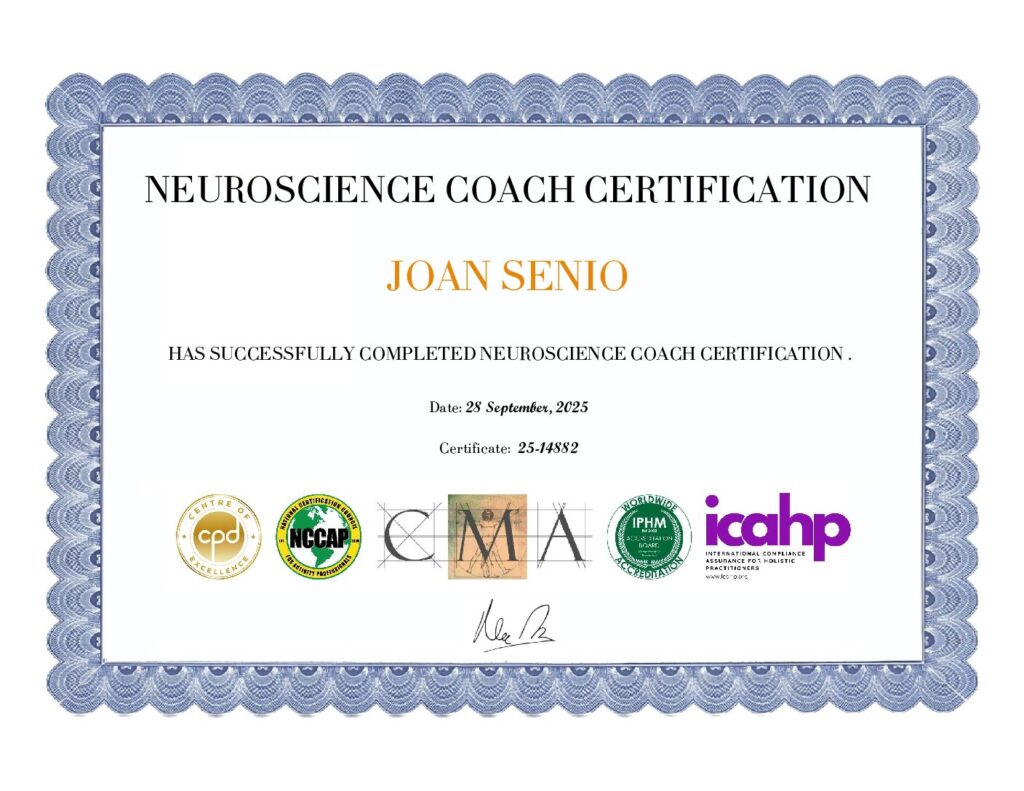
Joan Morabito Senio is the founder of Kindness-Compassion-and-Coaching.com. Joan’s career includes clinical healthcare plus 20+ years as an executive in a nationwide health care system and 15 years as a consultant. The common threads throughout Joan’s personal and professional life are a commitment to non-profit organizations, mental health, compassionate coaching, professional development and servant leadership. She is a certified Neuroscience Coach, member of the International Organization of Life Coaches, serves as a thought-leader for KuelLife.com and is also a regular contributor to PsychReg and Sixty and Me. You can read more about Joan here: Joan Senio.


No Responses