

We all want to be heard. But for many of us, especially those navigating past trauma, high-stress environments, or emotionally complex relationships, communication can feel like walking a tightrope. You might second-guess your words, shrink your voice, or struggle to express what you truly mean. The good news is that it is possible to improve communication skills. As with any skill, our ability to communicate effectively can be strengthened with the right tools, support, and intention.
Today, we’ll explore five proven exercises that help improve communication skills by building emotional clarity, deepening empathy, and boosting confidence. Whether you’re preparing for tough conversations, seeking stronger workplace dynamics, or simply wanting to feel more understood, these practices are designed to help you make meaningful progress and guide you forward.
Why It’s Important to Improve Communication Skills – At Home and At Work
Whether you’re navigating a tough conversation with a loved one, parenting a difficult toddler or teenager, or trying to collaborate with a colleague who just doesn’t seem to “get it,” communication can be the bridge or the barrier between connection and conflict.
At home, poor communication can lead to misunderstandings, emotional distance, and unresolved tension. In the workplace, it can cost time, morale, and even revenue. In fact, research shows that employees spend an average of 3.2 hours per week trying to decode unclear communication from coworkers, which adds up to over 160 hours a year; nearly a full month of lost productivity. And it’s not just about efficiency. It’s about emotional safety, trust, and feeling heard.
Here’s what the data tells us:
- On average, people spend 80-90% of their day communicating through speech, writing, or digital tools.
- 63% of workers believe that at least half of their colleagues need to improve communication skills.
- 42% of employees report stress when trying to convey the right tone in digital communication.
- 33% of people say communication has become more challenging especially in remote or hybrid environments.
These numbers send a clear message: many of us are craving better tools, clearer language, and more compassionate ways to connect.

Real Results: How Tools to Improve Communication Skills Pay Off
Improving communication skills helps you feel more confident, and it’s also a direct investment in your personal growth, professional advancement, and emotional wellbeing. And the numbers speak for themselves.
- 33% of employees say communication training contributed to earning a salary increase.
- Companies that offer formal communication and development training see 218% higher income per employee compared to those that don’t.
- Employees who receive the training they need are 17% more productive and 21% more profitable for their organizations.
- Communication was ranked the #1 most in-demand skill last year by LinkedIn, with recruiters actively seeking candidates who list it on their profiles.
These corporate metrics prove that when you improve communication skills, you open doors.
If you’re aiming for a promotion, launching a business, or trying to deepen your relationships, the ability to express yourself clearly and compassionately is a gamechanger. Investing in your voice is always a wise decision!
How to Improve Communication Skills: Communication Exercises that Work
The exercises we are sharing today are designed to improve communication skills in a way that honors your own voice, no matter who you are talking to – your spouse, a coworker, your boss – or yourself.
Exercise 1: Active Listening Reboot
- Description: Practice reflective listening with a partner or journaling prompts.
- Why it works: Builds empathy, reduces reactive responses.
- Supporting stat: Active listening improves job satisfaction and team cohesion.
One of the most powerful ways to improve communication skills is by learning to truly listen not just to respond, but to understand. This exercise invites you to slow down and practice reflective listening, either with a trusted partner or through journaling prompts.
The goal is to mirror back what you hear without judgment or interruption, creating space for clarity and connection.
Research shows that active listening not only improves workplace collaboration but also strengthens emotional bonds at home.
By engaging in this practice regularly, you’ll begin to notice fewer misunderstandings and more meaningful conversations.
To learn more, visit How to Be a Great Listener: Active Listening and More.
For those ready to invest in their growth, guided journals and listening skill workbooks can deepen this practice and offer structured support.

Exercise 2: The “Feelings First” Framework
- Description: Use emotion-first sentence starters (“I feel… when…”).
- Why it works: Reduces defensiveness, increases clarity.
- Reference: Carl Rogers & Richard Farson’s foundational work on emotional communication.
To improve communication skills in emotionally charged moments, start with what you feel; not what you think the other person did wrong. The “Feelings First” Framework helps you express yourself using emotion-led sentence starters like “I feel…” or “I need…” rather than reactive statements.
This approach reduces defensiveness and fosters mutual understanding, especially in relationships where safety and trust are essential.
Rooted in the work of Carl Rogers and other pioneers in compassionate communication, this exercise is a cornerstone of trauma-informed dialogue.
For those seeking extra support, emotion card decks and cue cards can help you build fluency in expressing feelings with clarity and care.
Exercise 3: The 3-Minute Mirror
- Description: Record yourself speaking on a topic, then review for tone, clarity, and body language.
- Why it works: Builds self-awareness and confidence.
- Supporting stat: On average, people spend 80-90% of their day communicating.
If you’ve ever wished you could hit “rewind” on a conversation, this exercise gives you that chance, without the pressure. The 3-Minute Mirror invites you to record yourself speaking on a topic of your choice, then review the playback to observe tone, pacing, body language, and clarity.
It’s a powerful way to improve communication skills by building self-awareness and reducing anxiety around how you’re perceived.
Many people find that this practice helps them speak more confidently in meetings, interviews, and personal conversations.
For those ready to invest in their growth, speech coaching tools can make this exercise even more effective and accessible.
Exercise 4: Empathy Expansion Challenge
- Description: Daily practice of imagining others’ perspectives in common scenarios.
- Why it works: Enhances emotional intelligence and reduces miscommunication.
- Reference: Andrew Sobel’s “Nine Ways to Improve Your Empathy”.
Empathy is the heartbeat of effective communication, and it can be strengthened like any other skill. This exercise challenges you to spend a few minutes each day imagining someone else’s perspective in a real-life scenario, whether it’s a coworker’s frustration or a partner’s silence.
By intentionally practicing perspective-taking, you improve communication skills by reducing assumptions and increasing emotional intelligence.
Research shows that empathy-driven communicators experience fewer conflicts and build stronger relationships.
To support this practice, consider investing in empathy-building games or guided reflection cards that help you deepen your emotional insight.
Exercise 5: The Clarity Countdown
- Description: Practice expressing thoughts in 3 sentences or less.
- Why it works: Reduces overwhelm, sharpens message delivery.
- Supporting stat: Workers spend 3.2 hours/week trying to decode unclear communication.
It seems like everywhere we turn we’re bombarded by noise. In an environment like that, clarity is a gift. The Clarity Countdown helps you improve communication skills by training you to express your thoughts in three sentences or less.
This exercise sharpens your ability to distill complex ideas into concise, impactful messages, perfect for emails, presentations, or emotionally charged conversations.
Studies show that unclear communication costs businesses thousands in lost productivity, and personally, it can lead to misunderstandings and emotional fatigue.
Tools like communication planners or structured writing guides can help you master this skill with confidence and ease.
How to Improve Communication Skills: Are You Ready to Invest in Your Growth?
If you’re serious about improving communication skills, there are powerful tools available that can accelerate your progress. When you choose tools to improve communication skills, you’re prioritizing learning that supports your career and relationships and improves self-worth.
Tools to Improve Communication Skills
| Product Name | Description & Why We Recommend It |
|---|---|
| The Communication Skills Workbook | This workbook blends self-assessment, journaling, and facilitator-guided exercises to help users identify and shift ineffective communication patterns. It’s especially effective for those seeking structured, trauma-informed growth. Combines psychological insight with practical tools. |
| 21 Days of Effective Communication | A habit-forming guide packed with daily exercises to build emotional intelligence and conversational clarity. Ideal for readers who want a manageable, time-bound framework. Best in class for accessibility and consistency. |
| How to Talk to Anyone: 92 Little Tricks | A classic in the field, this book offers bite-sized strategies for navigating social situations with ease. Best for those who want quick wins and confidence boosts in everyday interactions. |
| Crucial Conversations (Third Edition) | This book is a gold standard for handling high-stakes conversations with grace and clarity. Backed by research and used in corporate training worldwide. Best for conflict resolution and assertive communication. |
| Emotion Cards for Communication Coaching | These visual aids help users identify and express emotions clearly. Various options are available – for executives, for neurodivergent communicators, for those healing from trauma, and more. Builds emotional vocabulary and reduces miscommunication. |
| Think Faster, Talk Smarter | A practical guide to speaking clearly under pressure. Great for professionals, public speakers, and anyone who struggles with verbal processing. Best in class for real-time communication improvement. |
FAQ: Your Questions About How to Improve Communication Skills
How long does it take to improve communication skills?
Most people begin noticing meaningful changes within 2-4 weeks of consistent practice. The key is repetition and reflection. Using structured tools like guided journals, emotion cards, or workbooks can accelerate progress and help you stay accountable.
Can these exercises help with workplace communication and conflict?
Yes. Exercises like Active Listening and the Clarity Countdown are especially effective in professional settings. Studies show that communication training can lead to a 17% boost in productivity and even contribute to salary increases. Investing in tools that support these skills is a smart move for career growth.
What if I feel anxious or overwhelmed when trying to communicate?
Many people, especially those healing from trauma or navigating neurodivergence, experience communication anxiety. Start with low-pressure exercises like the 3-Minute Mirror or empathy journaling. Tools like visual emotion cards can offer gentle, structured support.
Are there resources for neurodivergent communicators?
Yes. Visual aids, structured prompts, and sensory-friendly communication boards are excellent options. Many are available online and they’re designed to reduce overwhelm while improving clarity and emotional expression.
Is it worth spending money on communication tools?
If you’re serious about growth, yes. Communication impacts every area of life, from relationships to career advancement. Investing in high-quality resources like workbooks or communication planners is proven to be very helpful. Think of it as building a skill set that supports your voice, your goals, and your emotional wellbeing.
Improving Communication Skills: Your Voice Deserves to Be Heard
Improving communication skills helps you to become more present, more intentional, and more connected. Whether you’re navigating tough conversations, building stronger relationships, or advocating for yourself in professional spaces, your voice matters. And with the right tools, it can become one of your greatest strengths.
The exercises we’ve shared are just the beginning. There are journals, books, and trauma-informed tools available to support your growth and many of them are just a click away. When you choose to invest in your communication, you’re choosing clarity, confidence, and compassion for yourself and for those around you.
Thank you as always for reading.
Affiliate Disclosure: Some links in this post are affiliate links. As an Amazon Associate, we earn from qualifying purchases. Thank you for supporting Kindness-Compassion-and-Coaching.com at no extra cost to you.

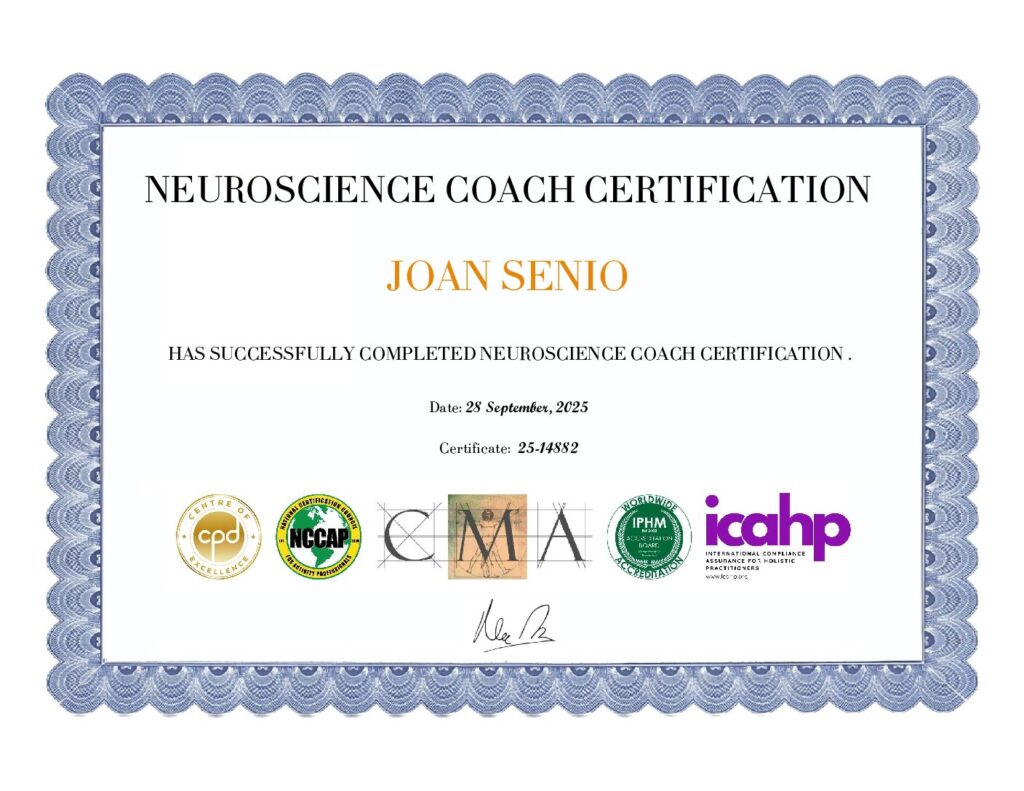
Joan Morabito Senio is the founder of Kindness-Compassion-and-Coaching.com. Joan’s career includes clinical healthcare plus 20+ years as an executive in a nationwide health care system and 15 years as a consultant. The common threads throughout Joan’s personal and professional life are a commitment to non-profit organizations, mental health, compassionate coaching, professional development and servant leadership. She is a certified Neuroscience Coach, member of the International Organization of Life Coaches, serves as a thought-leader for KuelLife.com and is also a regular contributor to PsychReg and Sixty and Me. You can read more about Joan here: Joan Senio.



No Responses