

Setting clear, actionable goals is the difference between wishing for change and making it happen. Today, we’ll share 8 SMART goals examples designed to cut through the noise and give you a precise roadmap to your next breakthrough – whatever your personal growth priorities are right now.
Each template breaks down what it really means for goals to be Specific, Measurable, Achievable, Relevant, and Time-bound. No more vague ambitions. By adopting the SMART framework, you will be able to pinpoint exactly what to do, when to do it, and how to track your wins.
Real growth often means investing in tools that keep you accountable, so we’ve also hand-picked the top planners and workbooks to pair with your SMART goals examples. The products we’ve chosen will be your partners in progress, helping you document your growth as you move closer to the life you want.

The SMART Goals Framework

SMART goals examples provide a scientifically backed roadmap that transforms vague wishes into concrete achievements.
Research shows that those who write down their goals are 20% more likely to succeed, while combining clear goals with ongoing feedback boosts performance by 30%.
Let’s discuss each element so you can apply these principles with clarity.
Specific. A specific goal zeroes in on exactly what you want to achieve. Instead of “get healthier,” a SMART goal might be “complete three 30-minute strength-training sessions per week.” This specificity eliminates second-guessing. Over 80% of people perform better when their goals are clearly defined and challenging.
Measurable. Measurable goals include concrete metrics that let you track progress. Ask yourself: How many? How often? How will I know when I’ve succeeded? When goals have built-in measures and you review them regularly, performance climbs by about 30% compared to goals or feedback alone.
Achievable. Your goal should stretch you, but it must also feel within reach. Studies reveal that setting challenging yet realistic targets leads to a 90% improvement in performance over too easy or impossibly high aspirations. Balancing ambition with attainability keeps frustration at bay and sustains your drive.
Relevant. Relevance ensures your goal aligns with your bigger vision and values. A goal that resonates with your purpose ignites intrinsic motivation, making it far more likely you’ll stick with it through obstacles. Before you commit, ask: “Why does this matter to me now, and how will it move me closer to my long-term dreams?”
Time-bound. Deadlines transform “someday” into “right now.” Time-bound goals compel you to plan and prioritize, preventing procrastination. Whether it’s a three-month window to launch a side project or a series of sprints to learn a new skill, a clear timeframe keeps urgency top of mind and propels consistent action.
Combine these five elements and you will create SMART goals examples that are your strategic blueprint for growth.
Turning Vague Dreams into SMART Goals Examples
It’s often a struggle to pin down numbers and deadlines. To make it easier, we’ve come up with examples that show how to satisfy every letter of SMART so you can confidently quantify your ambitions and start tracking real progress.
Specific → Nail Down the What
Vague: “Improve my writing.”
SMART: “Publish one 1,000-word personal development article on my blog each week.”
Why it works: You know exactly what “improve” means, creating consistent, substantial posts that build both skill and audience.
Measurable → Attach a Number
Vague: “Get more engagement.”
SMART: “Increase average article comments from 5 to 15 within three months.”
Why it works: You’ll monitor comments weekly and tweak headlines or Call to Actions until that 15-comment mark becomes your new norm.
Achievable → Ground Your Ambition
Vague: “Triple my income.”
SMART: “Boost freelance revenue by 25% over the next quarter by adding two new clients each month.”
Why it works: A 25% bump is bold yet within reach, especially when you map out how many pitches and discovery calls you need.
Relevant → Connect to Your Bigger Why
Vague: “Learn a new skill.”
SMART: “Complete an online public-speaking course by December so I can confidently pitch my services at networking events.”
Why it works: This goal ties directly into your core mission (growing your business) fueling intrinsic motivation.
Time-bound → Set Your Deadline
Vague: “Plan a side project.”
SMART: “Outline and launch my productivity toolkit by October 1.”
Why it works: A firm launch date forces you to back-plan weekly milestones like research, copywriting, design, and promotion.
Composite SMART Goal Examples
“By December 31, I will increase my email newsletter open rate from 20% to 30% by A/B testing two subject lines per week and reviewing results every Friday.”
- Specific: Improve open rate.
- Measurable: From 20% → 30%.
- Achievable: A 10-point increase with targeted experiments.
- Relevant: Boosting opens grows audience and downstream sales.
- Time-bound: End-of-year deadline with weekly checkpoints.
Use these SMART goals examples as a blueprint to create your own! Once you’ve filled in your numbers, consider investing in a premium goal-tracking planner (like our top picks) to keep your metrics front and center every single day.

Eight SMART Goals Examples to Supercharge Your Progress
Struggling to turn ambition into action? These eight SMART goals examples show exactly how to craft precise, measurable objectives for common focus areas and why investing in the right support can skyrocket your results.
SMART Goals Examples: Career Advancement
Goal: By June 30, 2026, I will earn a promotion to Senior Project Manager by completing the “Strategic Leadership” certificate on Coursera with a 90% score and leading at least two cross-departmental initiatives.
Why It Works: Clear deadline, defined metrics, and direct relevance to your next role.
Investment Tip: Enroll in the Coursera specialization and purchase the best-selling classic Leadership Strategy & Tactics Field Manual Expanded Edition to reinforce what you learn in your coursework.
SMART Goals Examples: Launch a Side Hustle
Goal: Within 90 days, I will generate $1,500 in profit from a digital course by building a targeted email list of 500 subscribers and running two paid ad campaigns.
Why It Works: Combines audience-building metrics with revenue targets and a firm timeline.
Investment Tip: Purchase proven resources like Email Marketing Blueprint and How to Create an Effective Email Campaign to broaden knowledge and inform strategy before boosting your launch.
SMART Goals Examples: Build Leadership Skills
Goal: By March 1, I will design and facilitate three team workshops, each with post-session feedback scores of 4.5/5 or higher, after completing independent learning over the next month.
Why It Works: Measurable feedback loop, purposeful training deadline, and skill relevance to your role.
Investment Tip: Purchase the facilitation bible Designing and Leading Life-Changing Workshops to acquire transferable leadership skills and find a mentor for accountability.
SMART Goals Examples: Boost Productivity
Goal: Over the next six weeks, I will cut my average email response time from 12 hours to 3 hours by batching correspondence in two daily 30-minute blocks and tracking completion rates.
Why It Works: Time-bound sprints plus specific batching technique ensures rapid gains.
Investment Tip: Grab a science-backed productivity planner like the Full Focus Planner and join an accountability pod to maintain momentum.
SMART Goals Examples: Expand Your Network
Goal: By year-end, I will add 50 qualified LinkedIn connections in my industry by attending one virtual meetup per week and sending personalized follow-ups within 48 hours.
Why It Works: Quantifies both activity (meetups, messages) and outcome (connections).
Investment Tip: Enroll in a professional networking workshop and upgrade to LinkedIn Premium for InMail credits.
SMART Goals Example: Create a Savings Plan
Goal: Save $6,000 for an emergency fund in six months by automating monthly transfers of $1,000 and reducing discretionary spending by 20%.
Why It Works: Breaks a large sum into bite-size transfers and ties cost-cutting to a percentage goal.
Investment Tip: Read You Need a Budget: The Proven System for Breaking the Paycheck-to-Paycheck Cycle and consider a short course on financial planning.

SMART Goals Example: Master a New Skill (Public Speaking)
Goal: Within four months, I will deliver five live presentations, each evaluated at 4/5 or higher by peers after completing a 12-week Toastmasters program.
Why It Works: Merges structured training, peer feedback, and a clear delivery schedule.
Investment Tip: Join your local Toastmasters club and invest in Talk Like TED: The 9 Public Speaking Secrets of the World’s Top Minds.
SMART Goals Example: Reset Work-Life Balance
Goal: Over the next eight weeks, I will book and honor 10 hours of uninterrupted personal time weekly by using calendar blocks and reducing weekend work sessions from 8 to 2 hours.
Why It Works: Enforces boundaries with measurable hours and a concrete reduction in work time.
Investment Tip: Hire an accountability coach and purchase and use The Work-Life Balance Workbook to reinforce and sustain healthy habits.
Each of these SMART goals examples combines clear metrics with compelling “skin in the game” because when you pair precise objectives with strategic investments (courses, coaching, or premium tools), your odds of breakthrough success skyrocket.
More Tools to Support Your SMART Goals Examples
Investing in the right tools turns good intentions into measurable progress. Here are three top-rated finds that align perfectly with SMART goals examples and ensure you stay focused, organized, and motivated every step of the way.
The Full Focus Planner by Michael Hyatt
A goal-setting system built around daily, weekly, and quarterly pages. It forces you to define your most important objectives (Specific), track progress with metrics (Measurable), and set deadlines for each milestone (Time-bound).
BestSelf Co. Self Journal – Goal Planner & Daily Organizer
Combines habit trackers, weekly reviews, and gratitude prompts within a 13-week framework. Its structured format helps you choose Achievable targets, keep goals Relevant to your bigger vision, and review performance at defined intervals.
SMART Goals Worksheet: Goal Setting & Achievement Templates
One hundred pages and 100 goals that invite you to dream big, plan diligently, and take decisive action. It’s the perfect companion for anyone serious about applying SMART goals examples to real-life challenges.
Each of these tools comes with proven systems. If you’re ready to invest in your personal growth, adding one of these planners to your arsenal will help you track your progress, celebrate small wins, and push toward even bolder objectives.
SMART Goals Examples: Wrap Up & Next Steps
You now have eight powerful SMART goals examples to help you turn your ambition into tangible actions that result in measurable progress. Reinforce your good work by pairing these examples with a commitment to invest in yourself, whether that’s with a premium planner, a targeted course, or one-on-one coaching.
Choose Your Focus. Decide which SMART goals example speaks to your biggest priority right now. Select the one that lights you up and feels most relevant to where you want to go.
Invest in the Right Tools. Pick one of our top planners or workbooks, designed to keep your Specific, Measurable, Achievable, Relevant, and Time-bound commitments front and center. Having a dedicated space to record metrics and deadlines transforms good intentions into daily habits.
Commit to Expert Guidance. Choose the means that works for you and your budget. Options include a 1:1 coaching package, an interactive online course, or a small accountability group. Expert support will accelerate your momentum. You’ll get real-time feedback on your SMART goals examples, troubleshoot obstacles faster, and celebrate wins with a like-minded community.
Schedule Regular Reviews. Block out a weekly 15-minute “SMART audit” in your calendar. Review your metrics, refine next steps, and adjust timelines. This simple habit ensures you stay on track, maintain momentum, and continually elevate your performance.
Share Your Wins. Sharing your progress not only inspires others but also reinforces your own commitment to growth.
By following these steps, you’ll transform SMART goals examples from theory into your personal success engine. Ready to make your next advancement? Pick your goal, grab your planner, and let’s get started. Your future self is counting on you.
For more information about strategies to achieve goals, visit:
Investing Basics: The Best Beginner Tools to Build Wealth.
13 Personal Development Topics for a Better Life.
Thank you as always for reading.
Affiliate Disclosure: Some links in this post are affiliate links. As an Amazon Associate, we earn from qualifying purchases. Thank you for supporting Kindness-Compassion-and-Coaching.com at no extra cost to you.

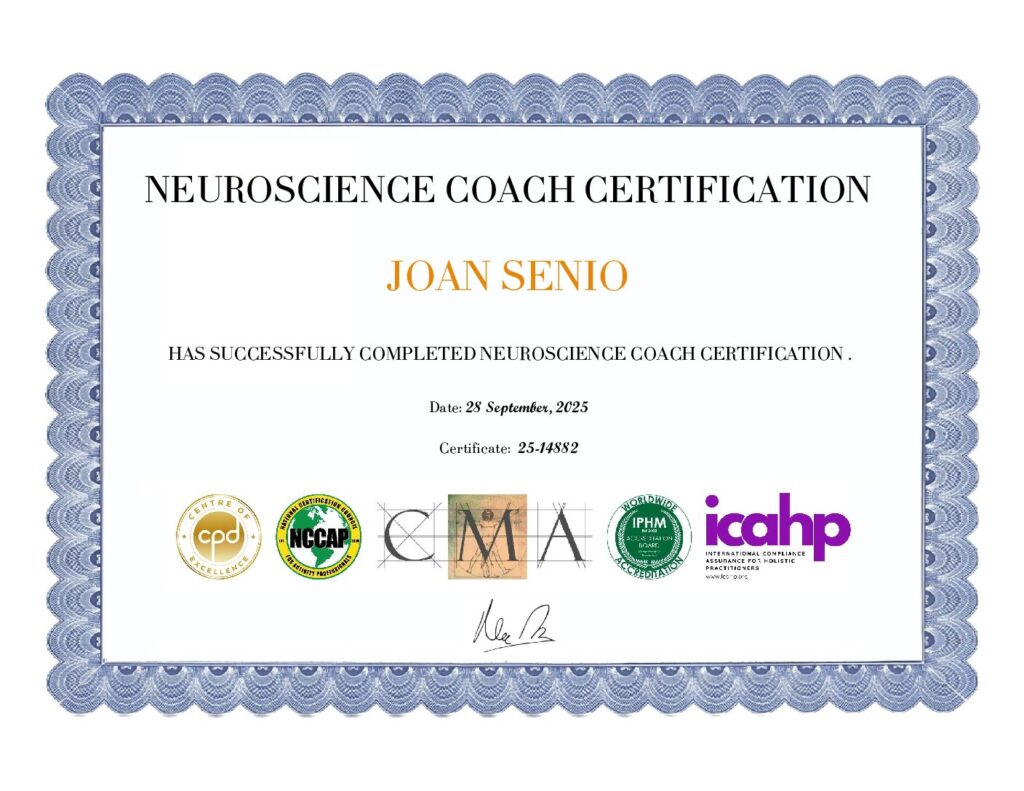
Joan Morabito Senio is the founder of Kindness-Compassion-and-Coaching.com. Joan’s career includes clinical healthcare plus 20+ years as an executive in a nationwide health care system and 15 years as a consultant. The common threads throughout Joan’s personal and professional life are a commitment to non-profit organizations, mental health, compassionate coaching, professional development and servant leadership. She is a certified Neuroscience Coach, member of the International Organization of Life Coaches, serves as a thought-leader for KuelLife.com and is also a regular contributor to PsychReg and Sixty and Me. You can read more about Joan here: Joan Senio.








No Responses