

Tired of setting goals and not achieving them? Maybe it’s time for a reboot. A new approach and a new mindset. Give yourself permission to dream bigger and make up your mind not to fail. You are going to make it happen this time. Read on to understand why you need a personal development plan and how to create one.
How to Create Your Own Personal Development Plan
We all have goals and aspirations that we wish to achieve. However, without a plan, it can be challenging to turn those dreams into reality. Then we get discouraged. We feel as though we failed. And it’s hard to start over or try again.
Having a bona fide personal development plan is a game changer. If you were investing in a business, you would develop a business plan, right? So, change the paradigm. Decide you’re going to invest in yourself.
That is even more worthy of a plan, isn’t it? Give yourself the respect you would give your money. Invest in yourself by creating a personal development plan.
The Science Behind Personal Development Plans
Studies consistently show that people who document their goals and outline concrete steps are far more likely to reach them than those who rely on vague intentions.
For example, a landmark study reported by Forbes found that just 3% of Harvard Business School graduates had written goals and detailed action plans. Ten years later, that 3% was earning on average ten times more than the other 97%, who either had unwritten goals or none at all.
Beyond high-profile anecdotes, controlled research confirms the power of putting pen to paper. In Dr. Gail Matthews’s experiment at Dominican University, participants who wrote down their goals, shared them with a friend, and sent weekly progress reports achieved a success rate 42% higher than those who merely thought about or never recorded their objectives. (
The reasons why? Improve performance results from clarifying priorities, creating accountability loops, and converting intention into actionable steps.
Aligning Goals with Your Core Values and Life Vision
A personal development plan reaches its full potential when it resonates with your deepest values and long-term vision. Before setting goals, take time to clarify what truly matters to you. Reflect on these questions:
- Which personal or professional values do you hold most dear?
- How do your aspirations contribute to your broader life purpose?
Once you’ve articulated your values and vision, map each goal back to them. This alignment fuels motivation during challenging moments and ensures every step you take feels meaningful rather than arbitrary.
For a deeper explanation and supporting resources, visit Values-Based Goal Setting: How to Build Better Growth Plans.
5 Steps to Create Your Own Personal Development Plan
A personal development plan is a powerful tool that helps us achieve our goals by outlining the actions we need to take to achieve them. Let’s discuss how to create a personal development plan and the steps to take to ensure success.
Step 1: Identify Personal Development Goals
The first step in creating a personal development plan is to identify goals that are directly linked to our core values.
These goals should be specific, measurable, attainable, relevant, and time bound. For example, “losing weight” is not a SMART goal. “Losing 20 pounds by November 2024 through a combination of exercise and healthy diet” is a SMART goal. “Find a new job” is not a SMART goal. “Start a fulfilling, inspiring job that aligns with my life goals in Field X that provides a minimum salary of Y and benefits of Z by October 2024” is a SMART goal.
We’re all best off when we use the SMART goal-setting framework to help us create effective goals that also allow us to measure progress.
Check out 13 Personal Development Topics for a Better Life to help identify specific personal development goals best suited to you and to learn more about how to set goals that will help to motivate you.
For more information, visit SMART Goals Examples: How to Supercharge Personal Growth.
Step 2: Prioritize Personal Development Goals
Once you have defined goals, prioritize them based on their level of importance. Consider how many facets of your life specific goals will impact. For example, is there a goal on your list that will help improve fitness, health, and mental health? Perhaps it should be prioritized higher than a goal that will advance your career.
Also consider how difficult different goals may be to achieve and be clear on what your goals are, vs what is a means to an end. For example, saving money may be a means to an end, but it’s not a goal. What are you saving money for? What change in your life are you trying to achieve? That’s the real goal.

Focus on figuring out how to quantify those goals – set deadlines for yourself or set mini-goals to achieve over time. Sometimes it helps to choose a somewhat easier goal to focus on first to reinforce your motivation. Or to create a whopper: one that consumes you and acts as almost a rite of passage.
Step 3: Assess Your Current Situation
Once you have identified and prioritized goals, it’s time to assess your current situation. Where do you stand in relation to your goals? What skills, knowledge, and resources do you currently possess? What obstacles are in your way? After assessing strengths and weaknesses, explore underlying causes of current challenges, for instance, time-management gaps or skill deficits.
Identifying strengths and weaknesses and underlying drivers of challenges, provides important information to help you single out areas ripe for improvement.
Developing your own sense of self-awareness is important to doing a realistic self-assessment at this stage. To read more about self-awareness and why it is so important to personal development, check out How to Cultivate Self-Awareness.
Step 4: Create a Plan of Action
Now that you have identified goals and assessed your current situation, it’s time to create a plan of action. In this step, you need to determine the actions to take to achieve your goals. Break these steps down into manageable tasks and assign a timeline for completion.
This is also a good time to consider any obstacles you may face and create contingency plans for overcoming them. For example, if you are setting a healthy eating goal:
- Do you have all the resources needed to determine what healthy meals you plan to prepare?
- When and where will you acquire all the healthy ingredients you’d like to have on hand?
- Will you be able to get your family to join in and support you?
- If not, how can you potentially bring them around – or budget extra time to prepare different foods?
- What’s your plan to develop a support system to encourage you to achieve this, or any, goal?
Step 5: Implement Your Personal Development Plan
With a plan in place, it’s time to take action. Begin working on your tasks and track your progress. Consider incorporating measures such as journaling or working with an accountability partner or mentor to stay on track.
During the implementation phase, you may also discover obstacles you didn’t anticipate or may realize that you’re unable to measure progress the way you had hoped. Don’t despair! This happens on any project. We always learn as we go. And that’s why it’s essential to continually improve your personal development plan, as described below.
Celebrate and Review and Adjust Your Personal Development Plan
As we work towards our goals, it’s essential to review and adjust our plan as necessary. Consider what is working and what isn’t working. Adjust plans accordingly to ensure success. Set interim milestones to remind yourself to celebrate your accomplishments and dedication to your plan.
Celebrating and reinforcing success is also essential to create lasting momentum. When you reach a milestone, pause to acknowledge your achievement. Journal what you accomplished, how it felt, and the effort it took. Share your success with a trusted friend, mentor, or community to amplify the positive energy and create social accountability.
Reward yourself with something meaningful like a self-care treat, a relaxing break, or a small purchase that aligns with your values to honor your progress and keep motivation high.
Reflect on the strategies that led to your success, capture the lessons learned, and incorporate them into your next set of goals. This cycle of celebration, reflection, and intentional planning cements new habits and bolsters confidence for future growth.
Overcoming Internal Barriers: Cultivating a Growth Mindset
Even the best-laid plans can stall when limiting beliefs and self-doubt surface. A dedicated mindset section helps readers identify common internal obstacles like fear of failure, perfectionism, or imposter syndrome and offers strategies to overcome them. Include practices such as:
- Reframing setbacks as learning opportunities.
- Daily affirmations that reinforce capability and resilience.
- Short journaling prompts to track negative thoughts and counter them with evidence of past successes.
By acknowledging and working through these barriers, readers build the mental muscle needed to stay the course when the going gets tough.
To learn more, visit Growth Mindset vs. Fixed Mindset: How to Reach the Stars Now.
Thank you as always for reading.
Affiliate Disclosure: Some links in this post are affiliate links. As an Amazon Associate, we earn from qualifying purchases. Thank you for supporting Kindness-Compassion-and-Coaching.com at no extra cost to you.

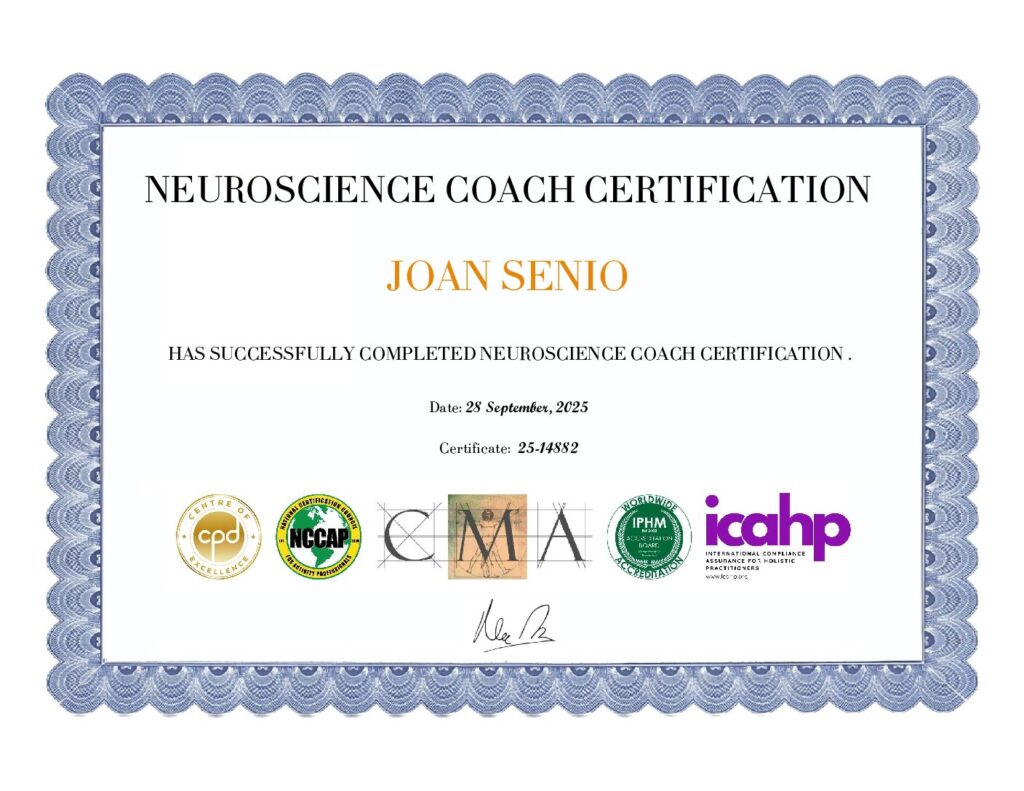
Joan Morabito Senio is the founder of Kindness-Compassion-and-Coaching.com. Joan’s career includes clinical healthcare plus 20+ years as an executive in a nationwide health care system and 15 years as a consultant. The common threads throughout Joan’s personal and professional life are a commitment to non-profit organizations, mental health, compassionate coaching, professional development and servant leadership. She is a certified Neuroscience Coach, member of the International Organization of Life Coaches, serves as a thought-leader for KuelLife.com and is also a regular contributor to PsychReg and Sixty and Me. You can read more about Joan here: Joan Senio.


No Responses