

Most people use the words empathic and empathetic as if they mean the same thing, and in everyday conversation, it rarely causes confusion. But when you’re trying to understand your own emotional wiring including how you relate to others, how you process feelings, and why certain interactions leave you energized or drained, the difference between empathic vs. empathetic becomes important.
These two terms describe distinct emotional experiences, and knowing which one reflects your inner world can heighten your self-awareness and open a door to a more authentic life.
Empathy itself is a universal human capacity. We all have moments when we understand or resonate with someone else’s feelings.
But empathic sensitivity goes deeper. It describes a way of experiencing emotions that is more immersive, more intuitive, and sometimes more overwhelming. When you’re empathic, you don’t just understand what someone else is feeling. You may feel it in your own body.
If you possess this deeper sensitivity to emotions, it can shape everything from how you communicate to how you set boundaries to how you recover after emotionally charged moments.
Understanding whether you’re empathic vs. empathetic isn’t about labeling yourself or fitting into a category. It’s about gaining language for experiences you may have struggled to articulate and recognizing why certain interactions affect you more than others.
Most importantly, it’s about learning how to support your emotional well‑being in a way that honors your sensitivity rather than working against it.
What’s the Difference Between Empathy and Sympathy?
Table of Contents
Defining the Terms Empathic vs. Empathetic
Language shapes how we understand ourselves, and when it comes to emotional sensitivity, the difference between empathic vs. empathetic is more than a matter of word choice.
These two terms describe related but distinct experiences.
Clarifying the difference between them can help you understand not only how you connect with others, but also how you can better protect your own emotional well‑being.
What “Empathetic” Means
Being empathetic is the ability to understand, resonate with, or emotionally relate to what someone else is feeling. It’s the foundation of healthy relationships, compassionate communication, and emotional intelligence.
Empathy can be cognitive (“I understand what you’re going through”) or emotional (“I feel moved by what you’re feeling.”)
But even when empathy is strong, there is still a sense of self and other. You can connect deeply without absorbing the emotion as your own. Most people fall into this category, and it’s a skill that can be strengthened with practice, reflection, and intention.
What “Empathic” Means
Being empathic goes a step further. It describes a deeper, more immersive sensitivity where you don’t just understand someone’s emotions, you may actually feel them in your own body.
Empathic sensitivity often includes intuitive awareness, energetic attunement, and a porous emotional boundary system.
Many empathic people describe sensing tension before anyone speaks, picking up on subtle shifts in mood, or feeling overwhelmed in emotionally charged environments. While this overlaps with what many people call being an “empath,” the term empathic focuses specifically on the intensity and immediacy of the emotional experience.
What is an Empath? How to Know if You’re One for Real
Why the Distinction Gets Blurred
Part of the confusion around empathic vs. empathetic comes from how these words are used in everyday language. They’re often treated as synonyms in casual conversation. In psychology, “empathetic” is more common, and in spiritual or intuitive communities, “empathic” is used to describe deeper emotional absorption.
Some contexts use the words interchangeably simply because they sound similar.
But when you’re trying to understand your own emotional patterns, especially if you’ve ever wondered why certain interactions drain you or why you feel things so intensely, the distinction becomes incredibly important.
It gives you language for experiences you may have carried for years without a clear explanation.

Empathic vs. Empathetic: The Core Differences
Understanding the difference between empathic vs. empathetic sensitivity can feel like finally having language for experiences you’ve carried your whole life.
These two ways of relating to others both involve emotional awareness, but they operate at different depths and affect your nervous system in profoundly different ways.
Understanding these distinctions can help you understand why certain interactions feel effortless while others leave you overwhelmed, drained, or deeply moved.
Depth of Emotional Absorption
Empathy allows you to understand what someone else is feeling. You can imagine their experience, resonate with their emotions, and respond with care. But there is still a sense of your feelings and their feelings being separate.
Empathic sensitivity blurs that line.
Instead of simply understanding someone’s emotions, you may absorb them. You feel their sadness in your chest. Your stomach tightens with their anxiety. Their joy lifts your energy. This deeper level of emotional absorption is one of the clearest distinctions between being empathic vs. empathetic.
Nervous System Response
Empathetic people feel with others, but their nervous system generally stays regulated.
They can witness emotion without being swept away by it. Empathic individuals often experience a full‑body response. Their nervous system reacts as if the emotion belongs to them.
This can create overwhelm, fatigue, or emotional flooding, especially in crowded or emotionally charged environments.
Boundaries and Emotional Containment
Empathetic people typically maintain emotional boundaries with ease. They can support others without losing themselves in the process.
Empathic people may struggle with emotional containment. They feel responsible for others’ emotions or find it difficult to separate their internal experience from what someone else is going through. This is why empathic people often need more intentional boundary practices.
Intuition and Sensory Sensitivity
Empathy is primarily emotional and cognitive. You understand what someone feels because you listen, observe, or imagine their experience.
Empathic sensitivity often includes intuitive awareness like sensing tension before anyone speaks, noticing subtle shifts in energy, or feeling discomfort when someone is hiding their true emotions. This intuitive layer is a defining feature in being empathic vs. empathetic.
Impact on Daily Life
Empathetic people can engage deeply with others while staying grounded. They may feel moved, but they recover quickly.
Those who are empathic often need more recovery time after emotional interactions. They may avoid certain environments, feel drained after social gatherings, or need solitude to recalibrate. Their sensitivity shapes how they work, connect, and navigate the world.
Understanding these differences is essential in order to recognize the unique way your emotional system works and to learn how to support it with compassion.
How to Tell If You Are Empathic vs. Empathetic
Understanding where you fall on the empathic vs. empathetic spectrum can bring a tremendous sense of relief as it helps you further clarify your identity and heightens your self-awareness.
Many people move through life feeling “too sensitive” or “too affected” by others without realizing there’s a meaningful distinction in how their emotional system works.
The next section provides suggestions for how you can better explore where you fit on the empathic vs. empathetic scale.
Questions to Ask. A helpful starting point is noticing how you respond to emotional situations. When someone shares something painful, do you understand their feelings, or do you feel those emotions in your own body? Do you walk away from conversations feeling grounded, or do you carry the emotional residue with you for hours? Empathetic people typically resonate with others’ experiences while maintaining a sense of emotional separation; those who are empathic often experience a merging (sometimes subtle, sometimes overwhelming) between their internal state and someone else’s.
Real‑Life Scenarios. Think about how you respond in everyday situations. During conflict, empathetic people can stay present and supportive without losing their center, but empathic people may feel physically unsettled, anxious, or emotionally flooded. In caregiving roles, those who are empathetic can offer support, while empathic people may absorb the distress of the person they’re helping. At social gatherings, empathetic people enjoy connection, while those who are empathic may feel overstimulated by emotional undercurrents in the room. These patterns can offer further clues about your emotional wiring.
Why You Might Be Both. Being empathic vs. empathetic isn’t necessarily a rigid either‑or. Many people move along the spectrum depending on the situation, the relationship, or their stress level. You might be empathetic at work, where boundaries are clearer, and empathic with loved ones, where emotional closeness is deeper. You might be empathetic when well‑rested and empathic when overwhelmed. Understanding your personal patterns can help you support yourself more effectively, no matter where you fall on the spectrum.
Why Some People Are More Empathic Than Others
If you identify more with the empathic side of the empathic vs. empathetic distinction, you may wonder why you feel things so intensely.
This deeper sensitivity often develops through a combination of temperament, environment, and lived experience. Understanding these influences can help you approach your sensitivity with compassion rather than self‑criticism.
Early Emotional Environments. Children who grow up in emotionally unpredictable or highly charged environments often develop heightened attunement as a survival skill. They learn to read expressions, shifts in tone, underlying signals and subtle changes in energy because it helps them anticipate what’s coming next.
Temperament and Sensory Sensitivity. Some people are simply born with a more sensitive nervous system. They process emotional and sensory information more deeply, notice subtleties others miss, and feel more affected by their surroundings.
Trauma or Chronic Stress. Trauma doesn’t create empathy, but it can amplify emotional sensitivity. When the nervous system becomes vigilant, it becomes more attuned to emotional cues, sometimes to the point of absorbing them.
Learned Caregiving Roles. People who grew up as the “helper,” “fixer,” or “peacemaker” in their families often develop empathic tendencies. When you spend your early years soothing others or managing emotional tension, your system becomes wired for deep emotional attunement.
Intuitive or Spiritual Orientation. Some naturally lean toward intuition, introspection, or energetic awareness. They sense emotional undercurrents, pick up on unspoken tension, or feel connected to others in ways that go beyond logic.
Being more empathic doesn’t mean something is “wrong” with you. It means your sensitivity has a story that has been shaped by your environment, relationships, and inner wiring. When you understand that story, you can support yourself with more compassion and intention.
How to Support Yourself Based on Your Style
Once you understand where you fall on the empathic vs. empathetic spectrum, the next step is learning how to care for your emotional well‑being in a way that honors your natural wiring.
Sensitivity isn’t something to “fix”. It’s something to support with tools made just for you.
Below are recommendations for both emotional styles that can help you regulate, ground, and restore your energy.*
*The links in the section are affiliate links. That means that we may receive a small commission at no cost to you when you purchase anything via one of these links. These commissions help us keep Kindness-Compassion-and-Coaching.com a free resource, as they help to cover website expenses. Thank you for your support!
If You’re Primarily Empathetic
Empathetic people connect deeply with others, but they generally maintain a grounded sense of self. Still, emotional fatigue can build up without intentional care. These tools help you stay centered and emotionally balanced.
The Dialectical Behavior Therapy Skills Workbook. This workbook is a powerful resource for empathetic people who want to strengthen emotional boundaries and communication skills. It offers step‑by‑step exercises for mindfulness, emotional regulation, and interpersonal effectiveness. These skills that help you stay present with others without absorbing their emotional load. It’s chosen because it’s practical, research‑based, and easy to integrate into daily life.
Textured Silicone Sensory Fidget Cubes. These quiet, pocket‑sized fidgets offer a grounding tactile experience that helps you stay centered during emotionally charged conversations or stressful moments. They’re ideal for empathetic individuals who sometimes over‑identify with others’ feelings and need a quick way to return to their own body. They’re chosen because they’re discreet, soothing, and effective for nervous‑system grounding.
Yescool Weighted Blanket. Weighted blankets provide gentle, even pressure that helps calm the nervous system and reduce emotional tension. For empathetic people, this can be especially helpful after a long day of supporting others. This blanket is breathable, well‑constructed, and designed to distribute weight evenly, making it a reliable tool for deep relaxation.
If You’re Primarily Empathic vs. Empathetic
Empathic individuals experience emotions more intensely and often absorb the feelings around them. Supporting this style requires tools that help you release emotional residue, regulate your nervous system, and create energetic boundaries.
Hooga Grounding Mat. Empathic people often feel overstimulated or energetically “full” after being around others. A grounding mat helps discharge that excess energy by reconnecting your body to the earth’s natural electrical field. It’s chosen because it’s easy to use at home or work, offers a subtle calming effect, and supports nervous‑system regulation.
Gaya Grounding Mat. This is another excellent grounding option, especially for empathic individuals who need a larger surface area or prefer a more structured grounding routine. It’s chosen because of its durable construction, safety features, and soothing design, ideal for daily use under your feet or on your bed.
A Little SPOT of Emotion Plush Set. Although designed for children, these emotion plushies are surprisingly powerful for empathic adults. They help externalize emotions, which is something empathic individuals often struggle with because they feel everything internally. These plushies make emotional labeling more tangible, especially during overwhelm.
Empathic vs. Empathetic: How to Know the Differences
Understanding the difference between empathic vs. empathetic sensitivity is more than a vocabulary lesson. It’s a doorway into deeper self‑awareness.
When you finally have language for your emotional experience, you can stop wondering why you feel the way you do and start supporting yourself with clarity and compassion. Whether you resonate more with empathic intensity or empathetic understanding, your emotional style is a reflection of your humanity, not a flaw to fix.
If this post helped you see yourself more clearly, you may wish to continue exploring your emotional landscape with the resources on kindness‑compassion‑and‑coaching.com.
You’ll find guidance, tools, and supportive practices designed to help you navigate sensitivity with confidence and ease. Sometimes the most meaningful growth begins with a single, intentional step toward understanding yourself more fully.
Regardless of the messages you may have internalized over the years, what you feel is not “too much”. Your sensitivity is a strength. Invest in the necessary supports to help you embrace your empathic or empathetic personality. It may become your personal pathway to a more authentic, wholehearted way of living.
Thank you as always for reading.
Some links in this post may be affiliate links. That means that we may receive a small commission at no cost to you when you purchase anything via one of these links. These commissions help us keep Kindness-Compassion-and-Coaching.com a free resource, as they help to cover website expenses. Thank you for your support.

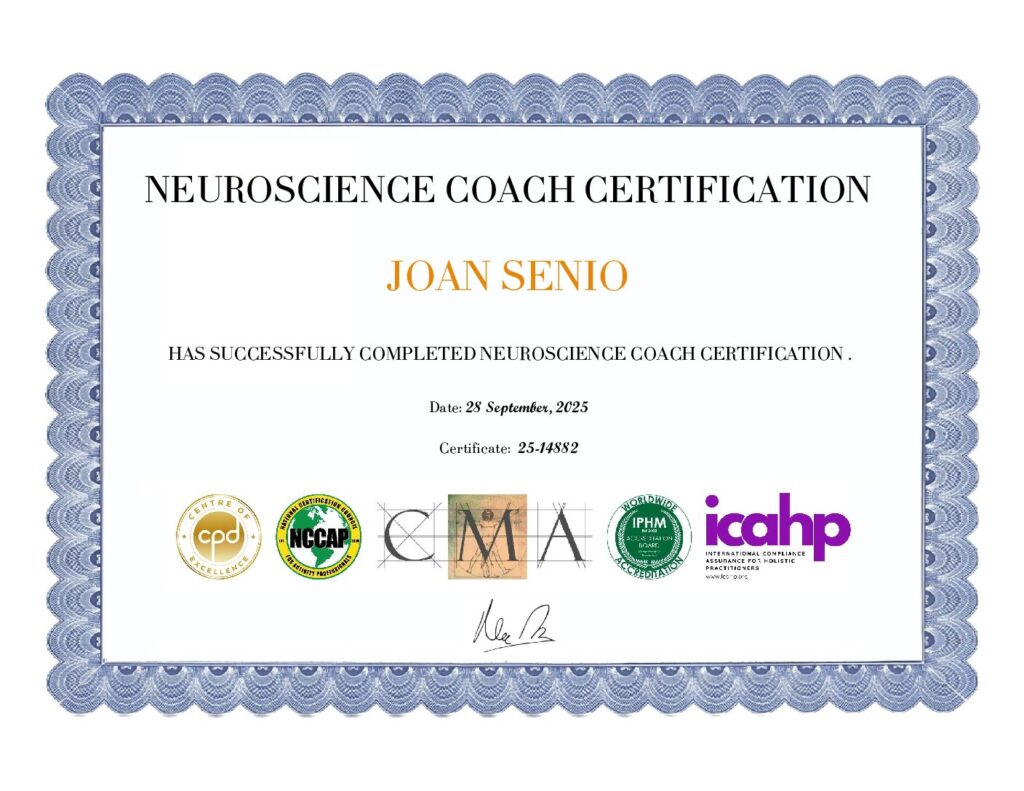
Joan Morabito Senio is the founder of Kindness-Compassion-and-Coaching.com. Joan’s career includes clinical healthcare plus 20+ years as an executive in a nationwide health care system and 15 years as a consultant. The common threads throughout Joan’s personal and professional life are a commitment to non-profit organizations, mental health, compassionate coaching, professional development and servant leadership. She is a certified Neuroscience Coach, member of the International Organization of Life Coaches, serves as a thought-leader for KuelLife.com and is also a regular contributor to PsychReg and Sixty and Me. You can read more about Joan here: Joan Senio.




No Responses