

The world needs strong, effective, compassionate leaders at every level of organizations, in communities, and in families. And the most important skill that defines powerful, sustainable leadership in all these roles isn’t charisma or control or popularity. It’s emotional intelligence. Emotional intelligence in leadership means knowing how to regulate your emotions and reactions, how to read people and understand their emotional state, and how to respond to a wide range of situations with empathy, even (maybe especially) when the stakes are high.
Emotional intelligence is a critical quality for anyone who wants to lead with compassion and intention, communicate with impact, and build relationships that thrive.
If you’re ready to grow, there are tools, assessments, and resources available to help you strengthen your emotional intelligence in leadership. Investing in these skills is a smart decision that will pay you back many times over by growing your ability to empathize and improving the quality of all your relationships: within your family, with your friends, and with your colleagues.
Today, we’ll explore the research, the practices, and the products that can help you lead with compassion and confidence.
Emotional Intelligence in Leadership: The Skill That Changes Everything, Everywhere
Emotional intelligence in leadership means knowing how to manage your own emotions and empathize with the emotions of others. It’s what allows a nurse to comfort a patient’s family, a parent to amiably resolve family disagreements, or a project manager to navigate conflicts on a job site without burning bridges.
Emotional intelligence is also the key quality that allows you to lead from wherever you are – at home, in the community, in your family, or in the C-Suite.
There are moments to demonstrate leadership all day, every day – no matter how you spend your time.
The importance of emotional intelligence in leadership at work is well documented. In fact, research shows that 90% of top-performing employees score high in emotional intelligence (EQ), and leaders with strong EQ are 3x more likely to retain top talent.
What you hear less often is that developing emotional intelligence in leadership is just as vital at home as it is at work; sometimes even more so. Consider these findings:
- A 19-year longitudinal study in the American Journal of Public Health found that children’s social-emotional skills at age 5 (core EQ competencies) strongly predicted lifetime success, including college graduation and full-time employment by age 25.
- Universal social-emotional learning programs in early childhood settings boost emotional competence, social skills, behavior regulation, and academic performance, demonstrating that teaching EQ early yields measurable benefits both in and out of the classroom.
- A systematic review published in the Journal of Psychiatry and Psychiatric Disorders showed that higher parental emotional intelligence is linked to better child adaptation, improved mental health, and lower severity of psychopathology – proof that parental EQ shapes well-adjusted kids.
- While national divorce-rate data (2.3 per 1,000 in the US) highlight how common separations are, studies on emotionally intelligent divorce mediation reveal that mediators who leverage EQ skills help couples reach more amicable resolutions, reducing conflict and long-term emotional fallout for families.
Together, these statistics illustrate that emotional intelligence underpins relationship stability, child wellbeing, and conflict resolution at home, making it a foundational skill for both personal and professional life.
If you’re serious about growing your impact, emotional intelligence is the skill to invest in.
Maybe you want to lead a team or launch a business. Or simply show up more powerfully in your relationships. Whatever your driver, there are books, EQ assessments, and guided journals that can help you build emotional intelligence in leadership from the inside out.
Because leadership isn’t about being in charge. It’s about being in tune with yourself, with others, and with the moment.

The Research Is Clear: Emotional Intelligence Drives Leadership Success
Across industries and roles, emotional intelligence (EQ) consistently ranks as one of the most powerful predictors of leadership effectiveness, team performance, and career advancement. EQ is the skill that elevates leaders at every level of an organization.
Here’s what the research shows:
- 90% of top performers have high emotional intelligence.
- 75% of managers use EQ as a key factor when considering promotions or salary increases.
- EQ accounts for 58% of job performance, making it more influential than IQ or technical skills.
- People with high EQ earn an average of $29,000 more annually than their peers.
- Teams led by managers with a high-EQ report 50% lower turnover rates and 25% higher productivity.
These numbers demonstrate how essential emotional intelligence in leadership is to organizational success.
Fortunately, EQ can be developed. With the right tools (guided journals, emotional intelligence assessments, and leadership workbooks) you can build your EQ skills. And you should. Because emotional intelligence is the key to being a leader who inspires trust, drives results, and creates lasting impact at home and at work.
If you’re ready to grow, there are resources available right now to support you.
How to Measure Emotional Intelligence in Leadership
Before you can strengthen emotional intelligence in leadership, you need to understand where you’re starting. Measuring your EQ helps you identify your strengths, uncover blind spots, and choose the right tools to support your growth.
There are several ways to assess emotional intelligence:
- Self-assessment tools like the Emotional Intelligence Appraisal or EQ-i 2.0 offer structured insights into your emotional awareness, regulation, and interpersonal skills.
- 360-degree feedback from colleagues or coaches can reveal how your emotional presence impacts others.
- Journaling prompts and reflection exercises can help you explore your emotional patterns in a safe, private way.
Here’s why getting a read on your emotional intelligence matters: leaders who understand their emotional landscape are better equipped to lead others through uncertainty, conflict, and change. And that kind of leadership is needed everywhere – from team leads to solo entrepreneurs to matriarchs.
Five Ways to Strengthen Emotional Intelligence in Leadership
Once you’ve measured your emotional intelligence, the next step is building it. With consistent practice and the right support, you can become a more emotionally attuned, resilient, and compassionate leader, no matter what your role.
Here are five proven ways to strengthen emotional intelligence in leadership:
- Practice Emotional Labeling. Start naming your emotions in real time. This builds self-awareness and reduces reactive behavior. Journals and emotion card decks can help you build this skill with structure and safety.
- Engage in Empathy Work. Try daily perspective-taking exercises or guided reflections. Empathy isn’t just a feeling; it’s a leadership tool that fosters trust and collaboration.
- Use Active Listening Techniques. Reflect back what you hear before responding. This simple shift can transform team dynamics and deepen personal relationships.
- Build Feedback Loops. Ask for feedback regularly and receive it without defensiveness. Coaching programs and leadership planners can help you track and integrate feedback over time.
- Invest in EQ-Focused Resources. Books like Crucial Conversations and structured workbooks are designed to help you grow your emotional intelligence in leadership with confidence.
Leadership is about creating space for your growth and the growth of others. And when you invest in emotional intelligence, you’re investing in the kind of leadership that lasts.
Tools That Support Emotional Intelligence in Leadership
Building emotional intelligence takes practice. And the right tools can make that practice more intentional, more effective, and more sustainable.
Recommended Tools to Improve Emotional Intelligence in Leadership
| Product Name | Why It’s Recommended |
|---|---|
| Emotional Intelligence 2.0 by Travis Bradberry & Jean Greaves | A foundational guide that includes a self-assessment and actionable strategies across four EQ domains. Best in class for pairing research with practical steps leaders can apply immediately. |
| The Manager’s Pocket Guide to Emotional Intelligence by Emily A. Sterrett | A concise, accessible, classic resource for busy professionals. Offers quick insights into EQ’s impact on decision-making and team dynamics. Ideal for new managers or those seeking a refresher. |
| MBM 80 Leadership Cards – Emotional Intelligence Coaching Deck | This interactive card deck helps leaders facilitate coaching conversations, build emotional awareness, and strengthen team relationships. Perfect for HR professionals, coaches, and team leads. |
| Master Your Emotions & Motivation by Thibaut Meurisse | A practical guide for leaders who want to regulate emotions, reduce negativity, and lead with calm. Best for those navigating high-stress environments or emotional burnout. |
| Emotional Intelligence Toolkit for Men by Howard Hudson | A trauma-informed, CBT-based guide tailored for male leaders. Combines emotional regulation, anger management, and relationship-building strategies. Great for those seeking holistic growth. |
| Emotional Intelligence for the Modern Leader by Christopher D. Connors | A comprehensive guide that connects EQ to organizational success. Includes leadership case studies and exercises for developing empathy, resilience, and influence. |
These tools help you turn insight into action, and action into impact. If you’re ready to lead with emotional intelligence, these resources are a powerful place to start.
Learn about the Differences Between Being Empathic vs. Empathetic
Frequently Asked Questions
What is emotional intelligence, and why is it important in leadership?
Emotional intelligence (EQ) is the ability to recognize, understand, and manage your own emotions—and those of others. In leadership, EQ is essential for building trust, resolving conflict, and inspiring teams. Research shows that 90% of top-performing leaders have high emotional intelligence, making it one of the most valuable skills in any organization.
Can emotional intelligence be learned or improved?
Emotional intelligence is a trainable skill. With consistent practice, coaching, and the right tools you can strengthen your emotional awareness, empathy, and communication. Many leaders see measurable improvements within weeks of focused effort.
How do I know if I have high emotional intelligence?
You can start with a self-assessment or a formal EQ test like the EQ-i 2.0 or Emotional Intelligence Appraisal. Signs of high EQ include strong self-awareness, the ability to stay calm under pressure, empathy in relationships, and effective conflict resolution. Feedback from peers and coaches can also offer valuable insight.
What are the best ways to improve emotional intelligence in leadership?
Some of the most effective strategies include:
- Practicing emotional labeling and mindfulness.
- Engaging in empathy-building exercises.
- Using active listening techniques.
- Seeking regular feedback.
- Investing in EQ-focused books, coaching, and tools.
These practices help leaders at every level build trust and reduce burnout.
Why is emotional intelligence more important than IQ in leadership?
While IQ reflects cognitive ability, EQ determines how well you manage relationships, navigate stress, and influence others. Studies show that EQ accounts for 58% of job performance and is a stronger predictor of leadership success than IQ or technical skills.
How does emotional intelligence affect team performance?
Leaders with high emotional intelligence foster psychological safety, improve communication, and reduce turnover. Teams led by emotionally intelligent managers are 25% more productive and report higher engagement and satisfaction.
Are there tools or products that can help me improve emotional intelligence?
There are many resources widely available on-line, including:
- Emotional intelligence workbooks.
- Coaching card decks.
- Guided journals.
- Leadership planners.
- EQ assessment tools.
These products offer structured support and are ideal for anyone ready to invest in their growth.
Emotional Intelligence in Leadership: The Skill That Elevates Everything
Leadership is defined by how you show up for other people who need you. Whether you’re guiding a team, supporting a colleague, raising a family, or navigating your own growth journey, emotional intelligence in leadership is the skill that transforms how you connect, communicate, and lead.
Emotionally intelligent leaders create safety, foster trust, and drive meaningful change at every level of an organization, and wherever else they show up in life.
Fortunately, it’s emotional intelligence in leadership is a skill we can all build and hone.
If you’re ready to lead from wherever you stand, now is the time to invest in your emotional intelligence. From guided journals and coaching decks to leadership books and EQ assessments, the tools are here, and so is your opportunity.
Because when you strengthen your emotional intelligence in leadership, you grow your capacity to lead with heart.
Explore our resources and start your EQ journey today. Your leadership evolution begins with one intentional step.
Thank you as always for reading.
Affiliate Disclosure: Some links in this post are affiliate links. As an Amazon Associate, we earn from qualifying purchases. Thank you for supporting Kindness-Compassion-and-Coaching.com at no extra cost to you.

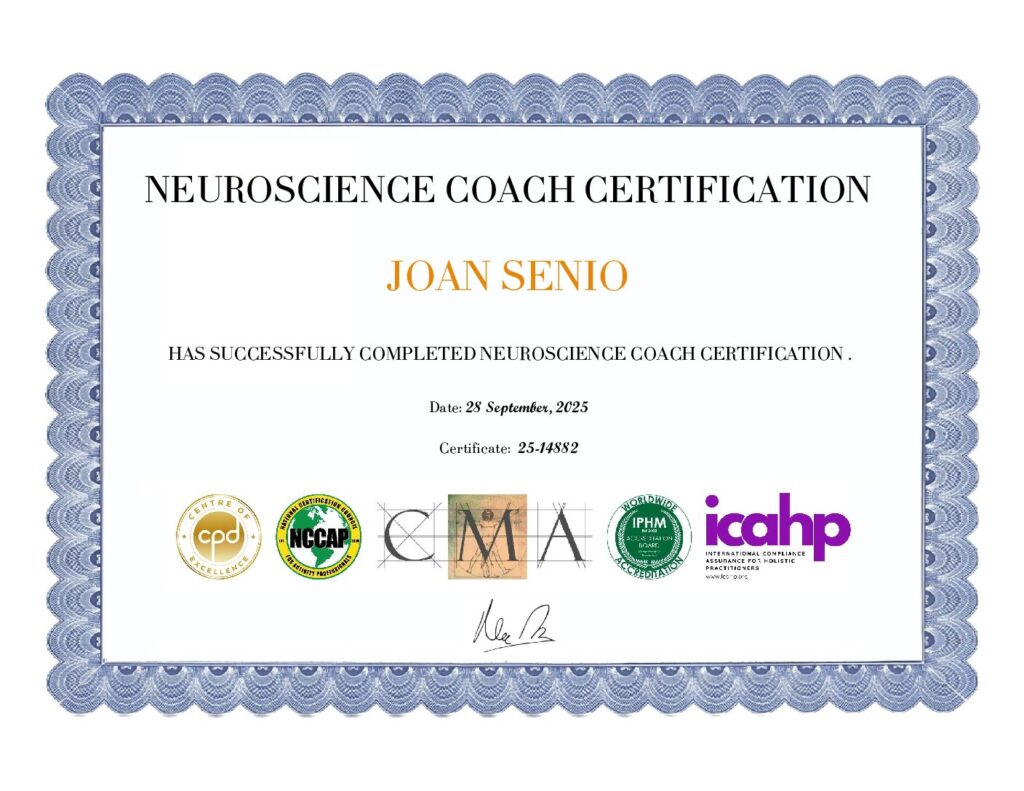
Joan Morabito Senio is the founder of Kindness-Compassion-and-Coaching.com. Joan’s career includes clinical healthcare plus 20+ years as an executive in a nationwide health care system and 15 years as a consultant. The common threads throughout Joan’s personal and professional life are a commitment to non-profit organizations, mental health, compassionate coaching, professional development and servant leadership. She is a certified Neuroscience Coach, member of the International Organization of Life Coaches, serves as a thought-leader for KuelLife.com and is also a regular contributor to PsychReg and Sixty and Me. You can read more about Joan here: Joan Senio.




No Responses