

Your spouse agreed to help with the weekend cleanup. Later you find no progress on the housework, the trash still in the garage, and a text that reads, “I thought you had it handled”. Later, when you try to name the problem and get a shrugged response or a sharp joke, you are confused. And it is warranted. These moments are the kind of passive-aggressive behavior in relationships that silently drain trust and make simple tasks feel risky.
If you have felt dismissed, second guessed, or emotionally exhausted after interactions like this, you have a valid experience to identify and respond to.
Today, we discuss how to spot patterns of passive-aggressive behavior in relationships, trust your perception, and take practical steps that protect your emotional safety. You will find clear signs to watch for, explanations for why your body reacts the way it does, suggestions for messaging during low-stakes moments, and boundary ideas that preserve dignity and establish accountability.
Passive-Aggressive Behavior in Relationships: The Definition
Passive-aggressive behavior in relationships is a consistent pattern of indirect resistance or covert hostility coupled with a lack of clear requests and honest feedback. People show it by agreeing and then not following through, using sarcasm or backhanded compliments, withholding cooperation, or giving the silent treatment after a disagreement.
These behaviors are not one-off lapses in manners. They are repeated ways of communicating that create confusion, erode trust, and turn simple interactions into emotionally charged tests.
Learning to identify passive-aggressive behavior in relationships helps you stop doubting your perception and gives you practical language to address the issue without escalating conflict.
Learn How to Heal from Passive-Aggressive Parenting Now

Trust Yourself When You Notice Passive-Aggressive Behavior in Relationships
Trust your perception when you notice a pattern of snide comments, passive-withdrawal, or indirect blame from a partner, friend, or family member. Second guessing yourself can allow the dynamic to calcify and delays the repair work needed.
Naming the behavior with a calm observation and a clear request for change creates a new data point in the relationship. It also signals that indirect hostility will not be tolerated.
Attempting repair by using appropriate messaging and follow through provides both people a chance to contribute to a shift in communication.
Below are two examples that show how passive-aggressive communication may occur and how a fact based, compassionate response can open space for accountability and clearer boundaries.
Scenario 1
After a long week you tell your significant other that you are excited to try the new restaurant on Saturday. On Friday evening they text, “I guess Saturday is fine if you really want to go,” and then send a thumbs up emoji. You spend the next day replaying their tone, unsure whether to cancel plans to avoid a possible confrontation. At dinner your partner remarks, “I only agreed to come so you would not be disappointed.”
You leave feeling small, puzzled, and yet somehow responsible for their bad mood.
Later you realize the text and the offhand comment were not direct feedback about logistics. They were a way to communicate irritation and make a non-committal reply without taking responsibility.
Naming that pattern in a calm moment can help. A short observation like, “Your text left me unsure about our plans,” can open a real conversation about expectations and clear up scheduling and communication.
Scenario 2
You organize a weekend hike and message your friend excited about the arrangements. The friend replies, “Sounds fun, I guess”, and sends a link to a story someone else has posted about their perfect hike.
They arrive to the hike late and roll their eyes when you ask if they needed help finding the meeting spot. As you’re about to depart, they make a joking comment about “people who plan too much” and you shrink into apologies for being organized.
Later you realize there has actually been a pattern of sarcasm followed by withdrawal in the past when you discuss plans to get together. You infer that the indirect critique was a passive-aggressive way to express discomfort with being managed.
But you’re still not sure. Sending a simple message such as, “it sounded like the arrangements for today annoyed you a bit. Would you like to take the lead next time?” allows you to name the dynamic while also inviting clarification and clearer communication in the future.
Why Spotting Patterns matters
Left unaddressed passive-aggressive communication leads to chronic emotional exhaustion and reduced relationship satisfaction for both people involved. Your nervous system responds to indirect hostility with heightened alertness or shutdown, making it harder to think clearly and respond from choice.
Neuroscience-informed tools can reduce that physiological reactivity and improve how you show up. For example, a guided emotional processing journal helps you log interactions, identify triggers, and measure progress while practicing alternative responses.
Passive-Aggressive Behavior in Relationships: Signs to Look Out For
Passive-aggressive behavior in relationships shows up as a cluster of repeated actions rather than a single rude comment. Look for a pattern of saying yes and not following through, agreeing in private and then resisting in small ways, or offering backhanded compliments that leave you feeling diminished.
You might notice chronic procrastination around shared responsibilities, silent withdrawal after a request, or subtle sabotage that shifts the work back to you.
These moments feel like puzzles because intent is hidden. The result of repeated experiences like these is emotional exhaustion, frustration, and loss of trust from passive-aggressiveness.
If someone occasionally forgets to take out the trash or is briefly curt after a long day that is not necessarily passive-aggressive communication. A pattern of this type of behavior is reason to look deeper, however.
Notice also the aftermath. Are you often apologizing for bringing things like this up? Do you feel worn down from vague or unclear communication? Do attempts to clarify lead to sarcasm or dismissal? These emotional costs are important data points.
You don’t deserve to be treated this way. It’s perfectly acceptable for you to seek changes in the relationship, or to decide it’s time to part ways.
For practical support, keep a guided emotional processing journal on hand to log instances and reactions, and explore more highly recommended resources to support you.
Cues that Confirm Passive-Aggressive Behavior in Relationships
Your body registers indirect hostility long before your conscious mind can label it. When faced with passive-aggressive communication your nervous system may activate with a racing heart, tense neck, shallow breathing, or sudden fatigue that follows an interaction.
These physical cues are reliable signals that your system detected threat or misattunement, and that signal is useful information about passive-aggressive dynamics.
Polyvagal-informed regulation practices lower reactivity so you can decide on a next step instead of reacting from alarm.
Observe behavioral cues in the other person as further confirmation. Tight smiles, delayed replies to direct requests, inconsistent commitments, and an uptick in sarcasm are all patterns that align with passive-aggressive tendencies.
Notice also how conflict is resolved or left unresolved in your relationship. If attempts to name an issue are met with minimization, shifting blame, or repeated indirect resistance the pattern is reinforced.
For clear action, pair body-based awareness with structured tracking in a guided journal. Doing this repeatedly will give you concrete evidence to support boundaries or to seek further help.
Distinguishing Passive-Aggressive Behavior from Poor Communication
Poor communication can come from stress, social anxiety, or lack of skills and still be repairable with coaching and structure. Passive-aggressive patterns are different because they repeat in ways that feel covert and punitive.
If someone consistently agrees and then undermines plans, or uses sarcasm and withdrawal in response to requests, the result is ongoing emotional exhaustion from passive-aggressiveness rather than a one-off misstep. Visit How to Recognize Passive-Aggressive Behavior vs. Poor Communication for more information on how to tell the difference.
Another practical test is to see how the person responds to clear, low-risk feedback. If they can accept a simple observation and try a small change, the issue is more likely poor communication that benefits from skill-building. If they respond with minimization, blame shifting, or renewed indirect resistance, the pattern points toward passive-aggressive communication.
Emotionally Safe Experiments You Can Try
Small, time limited tests (sometimes called “micro-experiments”) can protect your emotional safety while giving you clear data about passive-aggressive tendencies.
Start with one low-stakes experiment: make a single observation statement, pair it with one specific request, and set a measurable follow up. For example, say, “I noticed the trash was not out after we agreed you would handle it. I felt frustrated. Can you let me know today if you can do it by 7pm?” Track the result in your guided journal and note your physiological reaction after the interaction.
Repeating three such experiments across different contexts will reveal whether patterns are accidental or systematic.
A regulation tool such as noise cancelling earbuds or a simple mindfulness timer also helps provide you a fast way to downshift after a draining interaction and return to clear thinking.
Boundaries
Boundaries are practical statements about what you will do to protect your emotional energy when passive-aggressive behavior in relationships repeats. Start by naming a simple, observable limit that feels doable for you and link that action to a clear consequence.
For example, tell your partner, “I need shared chores handled as agreed. If tasks are missed repeatedly, I will stop asking and will handle them myself for now.” This is not punishment. It is a predictable choice that protects you from chronic emotional exhaustion from passive-aggressiveness and clarifies expectations for both people.
Use a guided emotional processing journal to track outcomes after you hold a boundary and to notice how patterns shift over time; a journal helps you log incidents, your response, and whether the boundary changed behavior.
Match the boundary to the relationship context and your safety needs. In a friendship a boundary might look like choosing not to discuss certain topics until the person can engage openly. At work a boundary could mean documenting agreements and copying relevant stakeholders so promises are clear and follow up is easier. Keep boundaries short and specific and say them once with calm clarity.
If the pattern continues, follow through with the consequence you stated and use that moment as data for next steps such as coaching, couples support, or limiting contact.

Scripts to Help Address Passive-Aggressive Behavior in Relationships
Short scripts reduce guesswork, lower shame, and make it easier to test your perception of passive-aggressive communication. Use this structure: state a neutral observation, name the impact on you, and make one specific request. Example scripts for a range of situations include:
- For a partner try, “I noticed the dishes were not done after we agreed you would do them. I felt disappointed and more tired. Can you let me know today if you can take this on or shall I handle it?”
- For a close friend try, “I heard that comment at the party and it felt dismissive. I felt hurt. Can we talk about what happened when you have a few minutes?”
- For a coworker try, “I was expecting the file by Friday, and it arrived late. I felt unprepared for the meeting. Can you confirm your timeline for me now?”
Each of these examples uses clear language to address passive-aggressive behavior in relationships while preserving emotional safety and giving the other person a concrete way to respond.
Practice these lines in low-risk moments and track results in your journal.
If the person responds with denial or renewed indirect resistance, note that response as evidence and decide on a next step such as a boundary, coaching, or professional help.
When to Seek Support or Step Back
If passive-aggressive behavior in relationships is causing repeated harm, leading to ongoing distrust, or provoking intense shame or anxiety, it is time to seek outside support.
Signs that professional help is necessary include repeated sabotage of agreements, persistent minimization of your concerns, denial accompanied by blame shifting, or escalation to verbal hostility.
Begin by documenting specific incidents in a guided emotional processing journal so you have clear, dated examples of patterns to share with a therapist, coach, or workplace mediator. For couples, Emotionally Focused Therapy has strong evidence for repairing attachment injuries and building safer communication patterns. Individual skills work that draws on DBT helps with regulation and interpersonal effectiveness.
If safety concerns emerge, protect yourself. Reach out to trusted friends, or a licensed professional for safety planning and next steps.
Recommended Resources to Protect Your Energy
Practical tools make it easier to notice passive-aggressive communication, rehearse scripts, and keep your nervous system regulated between difficult interactions.
- A guided emotional processing journal helps you track incidents, physiological cues, and the outcomes of micro-experiments so you can move from feeling confused to making clear decisions.
- For nervous system support consider a weighted blanket for restful evenings and noise cancelling earbuds for quick sensory resets after draining exchanges.
- If you prefer books, check out an Emotionally Focused Therapy guide for couples and a DBT skills workbook for interpersonal effectiveness. Both pair well with either coaching or therapy.
Frequently Asked Questions about Passive-Aggressive Behavior in Relationships
Is this passive-aggressive behavior or am I overreacting?
If the same indirect resistance repeats and leaves you feeling drained, your observations are valid. Track frequency, impact, and responses using a guided journal for three instances. If feedback leads to minimization, sarcasm, or continued avoidance, the pattern points to passive-aggressive behavior in relationships rather than an isolated miscommunication.
What can I say right now to test my perception without escalating conflict?
Use a short script: “I noticed X happened after we agreed we would do Y. I felt Z. Can you tell me what happened so we can decide what to do next?” Keep the request specific.
Will buying a journal really help?
Yes. A guided emotional processing journal gives you consistent tracking and reduces shame by making interactions factual. It also helps you to determine whether a behavior is incidental or part of a pattern.
Closing: Practical Next Steps
If you have tracked interactions and tried experiments and still see the same pattern of indirect resistance, chronic avoidance, or sabotage, these data points support a clear next step.
Decide if you want to hold a boundary, request coaching, try couples support, or limit contact. Use your guided emotional processing journal to summarize examples, your physiological reactions, and the responses you tried. Bring this summary to a trusted coach or therapist to make a specific plan.
Pick one small step to take this week. Track one interaction in your guided journal or use a short regulation practice before and after a difficult conversation.
If after your attempts at intervention, the passive-aggressive behaviors continue, or you begin to sense indirect resistance or covert hostility, hold your boundary and use your documented examples from your emotional processing journal to guide your further decisions.
For more information, visit:
Passive-Aggressive Emails & Texts: How to Respond Like a Pro.
Thank you as always for reading.
Affiliate Disclosure: Some links in this post are affiliate links. As an Amazon Associate, we earn from qualifying purchases. Thank you for supporting Kindness-Compassion-and-Coaching.com at no cost to you.

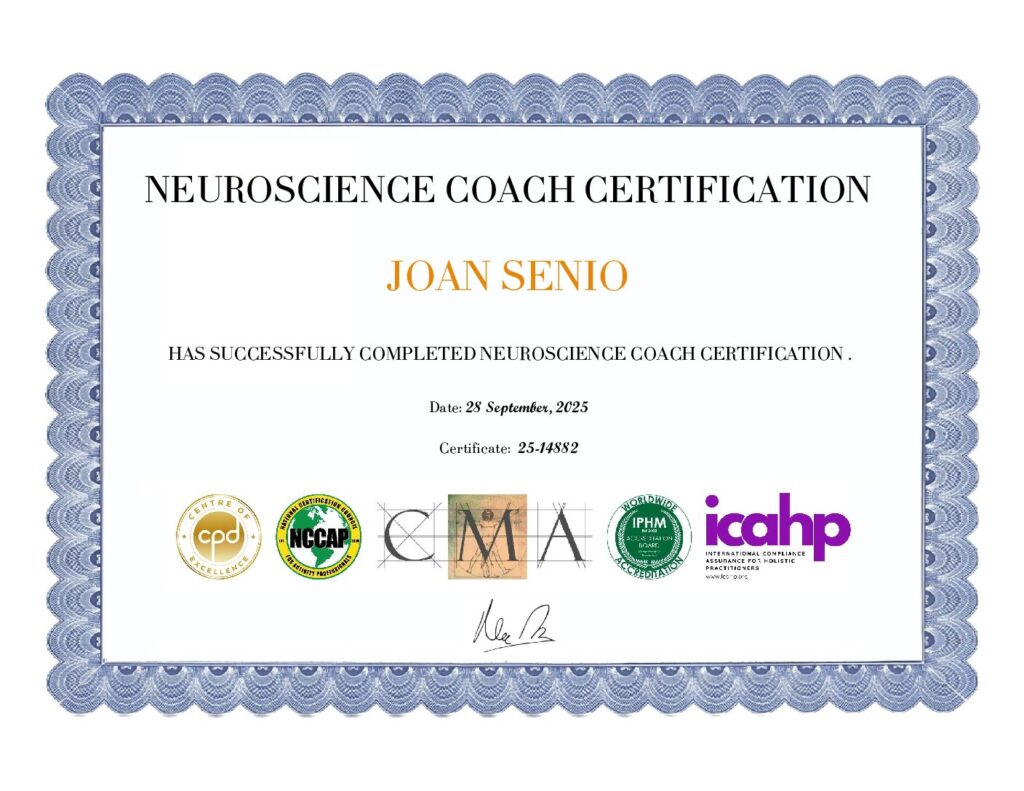
Joan Morabito Senio is the founder of Kindness-Compassion-and-Coaching.com. Joan’s career includes clinical healthcare plus 20+ years as an executive in a nationwide health care system and 15 years as a consultant. The common threads throughout Joan’s personal and professional life are a commitment to non-profit organizations, mental health, compassionate coaching, professional development and servant leadership. She is a certified Neuroscience Coach, member of the International Organization of Life Coaches, serves as a thought-leader for KuelLife.com and is also a regular contributor to PsychReg and Sixty and Me. You can read more about Joan here: Joan Senio.










No Responses