

Emotions are an integral part of our human experience, influencing our relationships, decision-making, and overall well-being. However, emotional detachment disorder (EDD) significantly impacts some people’s ability to experience emotions in a healthy and balanced way.
Those impacted also have difficulty truly connecting with other people in their lives and in establishing and maintaining healthy relationships.
Today’s post describes the most common signs of emotional detachment disorder.
What is Emotional Detachment Disorder (EDD)?
Emotional Detachment Disorder (EDD) describes a persistent difficulty identifying, experiencing, and expressing emotions. People with EDD often appear emotionally distant, rely heavily on logic, and struggle with close relationships.
As a result, those with this disorder struggle to connect with their feelings.
Clinically, EDD overlaps with alexithymia (also known “emotional blindness”) but EDD emphasizes the relational and behavioral consequences: avoidance of intimacy, chronic emotional numbness, and difficulty responding to others’ feelings.
Key signs of EDD include limited emotional vocabulary; difficulty describing feelings; chronic relationship distance; preference for intellectualizing emotions; and reduced empathy.
These signs often co‑occur with anxiety, depression, or trauma histories.
They also have limited awareness of how their emotions influence their behavior and interactions with others. EDD is a complex condition; to effectively treat it requires appropriate resources and professional support.
Early recognition matters because targeted therapies such as CBT, emotion‑focused therapy, and skills training can improve emotional awareness and relationship functioning.
Practical first steps include journaling feelings, practicing naming emotions daily, and using short grounding exercises to reconnect body and emotion.
Emotional Detachment Disorder (EDD) vs. Emotional Immaturity
Emotional Detachment Disorder (EDD) and emotional immaturity can look similar on the surface, but they arise from different places and call for different responses.
EDD is a persistent pattern of emotional numbness and withdrawal often rooted in trauma, attachment disruption, or long‑standing coping strategies; it shows up as limited emotional range, chronic avoidance of intimacy, and a dampened capacity to feel or respond to others.
Emotional immaturity, by contrast, reflects underdeveloped emotional skills, such as impulsivity, poor frustration tolerance, and difficulty taking responsibility, so the person feels and reacts strongly but lacks the regulation and perspective to manage those feelings constructively.
Childhood Trauma: What You Need to Know about 7 Forms of Abuse and Neglect

Common Signs of Emotional Detachment Disorder
If you suspect you or someone you love is struggling with EDD, look out for these most common signs of the disorder:
- Difficulty Identifying and Describing Emotions: Those with emotional detachment disorder may struggle to identify and put words to their emotions. They may find it challenging to differentiate between various feelings and communicate them effectively.
- Limited Emotional Experience: People with emotional detachment disorder may have a reduced emotional range and struggle to experience emotions fully. They may appear detached or indifferent to situations that typically elicit strong emotional responses in others.
- Difficulty Empathizing: Empathy, the ability to understand and share the feelings of others, is challenging for those with emotional detachment disorder. They may have difficulty connecting with and understanding the emotions of others, leading to challenges in forming and maintaining close relationships.
- Difficulty Forming Emotional Attachments: Emotional detachment makes it difficult to form deep, meaningful connections with others. Those with EDD may struggle with intimacy and maintaining relationships due to their limited emotional engagement.
- Overreliance on Logic and Reasoning: People with emotional detachment disorder may heavily rely on logic and reasoning when making decisions or navigating social situations, often disregarding or minimizing the impact of emotions.
- Difficulty Expressing Emotions: Expressing emotions authentically can be a struggle for those with emotional detachment disorder. They may have difficulty communicating their feelings to others, leading to misunderstandings or a perception of emotional coldness.
EDD Causes and Risk Factors
EDD often emerges from a mix of developmental, psychological, and situational influences rather than a single cause. Early attachment disruptions, such as inconsistent caregiving or childhood trauma, frequently underlie persistent emotional distancing.
Chronic stress and repeated emotional invalidation teach the brain to protect itself by shutting down affective responses, which over time becomes an ingrained pattern labeled as EDD.
Other important risk factors include prolonged exposure to high‑stress environments, untreated anxiety or depression, and certain personality traits that favor intellectualization over emotional processing.
Medical and neurological conditions that blunt affect or cognitive flexibility can also contribute, as can substance use that numbs feelings.
Social isolation and repeated relationship failures reinforce detachment by reducing opportunities to practice vulnerability.
Recognizing risk factors helps reframe EDD not as an adaptive response that became maladaptive.
Early identification of these contributors improves the chances of recovery because interventions can target the root causes: repairing attachment wounds, reducing chronic stress, treating coexisting mood disorders, and rebuilding safe social connections.
Learn More about How to Regulate Emotions
Strategies to Reconnect Emotionally
Reconnecting from emotional detachment requires small, consistent practices that build tolerance for feeling and safe expression. Start with something simple: spend two minutes each morning naming one emotion you notice, write a single sentence about it, and breathe for three slow counts. Acts like these strengthen emotional vocabulary and reduce avoidance.
Pair labeling with gentle curiosity rather than judgment; curiosity trains the nervous system to tolerate discomfort.
Use structured exercises such as the RAIN technique (Recognize, Allow, Investigate, Nurture) to process moments of numbness without becoming overwhelmed.
Socially, practice low‑risk vulnerability by sharing a small feeling with a trusted friend or journaling about a relational moment.
Therapy options that specifically help with EDD include emotion‑focused therapy, trauma‑informed CBT, and skills training from dialectical behavior therapy to increase distress tolerance. Lifestyle supports matter: regular sleep, movement, and nutrient‑dense meals stabilize mood and make emotional work possible.
If progress stalls, consider a short course of guided group therapy or a skills workshop to practice empathy and reciprocity in a contained setting.
Emphasize measurable goals (for example, one emotional check‑in per day, one brief disclosure per week) and celebrate small wins to reinforce new neural pathways.
Seeking Support
If you recognize these signs in yourself or someone you know, it is essential to seek appropriate support.
Consulting with a mental health professional, such as a therapist or psychologist, can provide a safe space to explore and address the challenges associated with emotional detachment disorder.
Therapies like Cognitive Behavioral Therapy (CBT) or Dialectical Behavior Therapy (DBT) can be beneficial for those who struggle with emotional detachment.
These approaches may help them develop emotional awareness and build healthier emotional connections.
Emotional detachment disorder is a genuine psychological condition.
Seeking support is not a sign of weakness but a courageous step towards self-discovery and growth.
With the right guidance and interventions, those with emotional detachment disorder can learn to identify, understand, and express their emotions in a healthy and fulfilling way.
This can lead to improved overall well-being, more meaningful relationships and a more fulfilling life.
Frequently Asked Questions about EDD
Is EDD the same as alexithymia? They overlap; alexithymia is a clinical trait (difficulty naming feelings), while EDD highlights relational detachment and functional impact.
Can EDD be treated? Yes. Therapies like CBT, DBT, and emotion‑focused therapy help build emotional awareness and connection skills.
What are quick self‑help steps for EDD? Start with daily emotion labeling, short mindfulness practices, and practicing vulnerability in low‑risk relationships.
Signs of Emotional Detachment Disorder
Recognizing the signs of emotional detachment disorder is the first step towards understanding and seeking support. The next key step is to seek appropriate professional help.
With the right help and support systems, people who struggle with EDD can navigate their emotional landscape more effectively and develop healthier connections with themselves and others.
Thank you as always for reading.
If you haven’t yet subscribed, please enter your email address so you never miss a post.
Affiliate Disclosure: Some links in this post are affiliate links. As an Amazon Associate, we earn from qualifying purchases. Thank you for supporting Kindness-Compassion-and-Coaching.com at no extra cost to you.

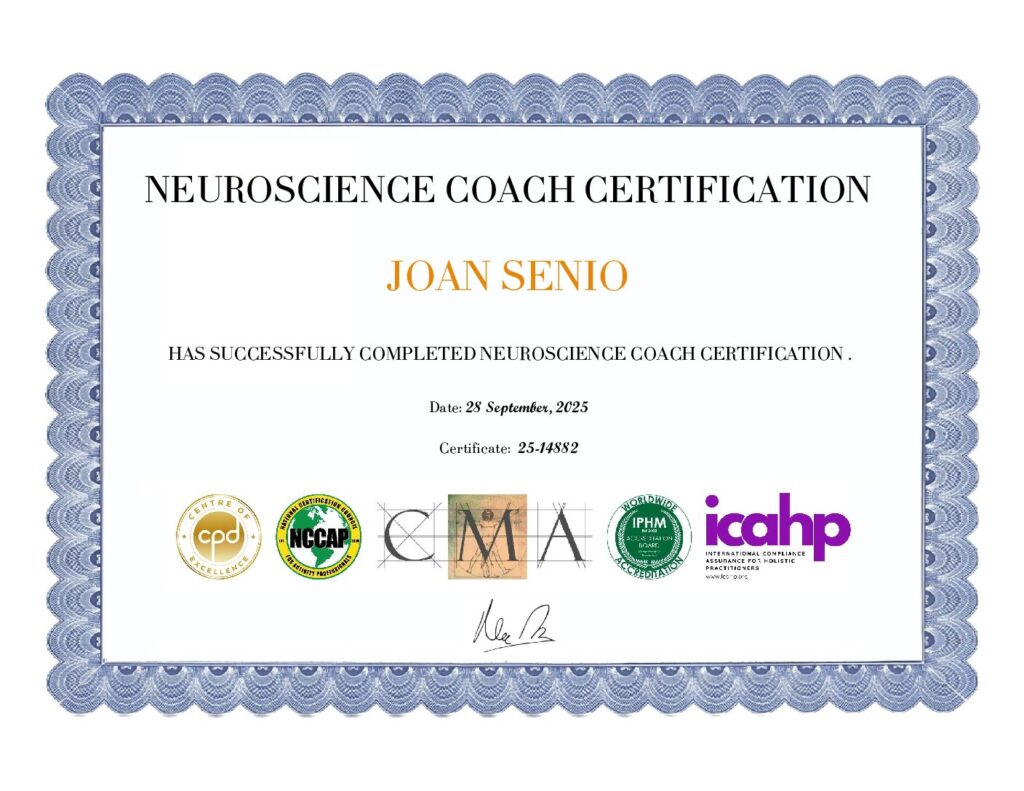
Joan Morabito Senio is the founder of Kindness-Compassion-and-Coaching.com. Joan’s career includes clinical healthcare plus 20+ years as an executive in a nationwide health care system and 15 years as a consultant. The common threads throughout Joan’s personal and professional life are a commitment to non-profit organizations, mental health, compassionate coaching, professional development and servant leadership. She is a certified Neuroscience Coach, member of the International Organization of Life Coaches, serves as a thought-leader for KuelLife.com and is also a regular contributor to PsychReg and Sixty and Me. You can read more about Joan here: Joan Senio.







No Responses