

Emotional self-regulation is a skillset essential to resilience, communication, well-being and connection. When we are able to regulate our own emotions, it allows us to cultivate awareness and create intentional responses vs. reacting impulsively.
At Kindness-Compassion-and-Coaching.com, we believe emotional regulation isn’t about silencing your feelings, suppressing emotions, or being calm all the time. It’s a pathway to greater agency, empathy, and psychological flexibility, and for leaders and parents especially, it’s a cornerstone of modeling a grounded presence.
If you’re going through a difficult phase, confronting a long-standing challenge, or just seeking more steadiness in your life, our resources are here to support you as they also honor your personal emotional experience.
Today, we’ll explore the science behind emotional regulation, identify common triggers and patterns of dysregulation, and offer evidence-based techniques that empower us to build emotional literacy.
Key Points: Emotional Self-Regulation
- Emotional Self-Regulation: The Science: It begins in the brain, where the amygdala assesses emotional relevance and the prefrontal cortex manages responses, a skills that can be learned and strengthened over time.
- Difference Between Regulation and Suppression: While regulation involves acknowledging emotions and responding intentionally, suppression merely hides outward expressions, often increasing internal stress.
- Common Triggers and Dysregulation Patterns: Triggers like criticism or past trauma can lead to reactive behaviors; understanding personal triggers is key to developing effective regulation strategies.
- Practical Tools for Growth: Resources like the Dialectical Behavior Therapy Skills Workbook and journaling can accelerate emotional growth and improve self-awareness.
- Evidence-Based Techniques: Techniques such as breathwork, cognitive restructuring, and emotional naming are grounded in neuroscience and help develop emotional literacy and resilience.
What Is Emotional Self-Regulation? The Science
Emotional self-regulation begins in the brain. When we encounter a stimulus, such as a perceived threat, a moment of joy, or a difficult conversation, the amygdala rapidly assesses the emotional relevance of it and initiates a response.
This primitive system is designed for survival, but it often overrides rational thought.
The prefrontal cortex, responsible for executive function and impulse control, plays a critical role in modulating these emotional reactions. The more we are able to pause and reflect, the stronger the neural pathways become between our emotional centers and regulatory systems.
Fortunately for us, this practice of developing more awareness around our reactions, also known as emotional regulation, is a skill – something we can learn to be better at, as opposed to a fixed trait.

Research has shown that mindfulness and cognitive reappraisal are key mechanisms for emotional regulation.
Mindfulness strengthens the brain’s ability to observe emotions without immediate reaction, while cognitive reappraisal (the conscious effort of adapting one’s emotional response through changes in our thoughts) allows us to reinterpret situations in ways that reduce emotional intensity.
Our ability to sense internal bodily states, known as interoception, helps us recognize the early physiological signs of emotional arousal, such as increased heart rate or muscle tension. These insights allow for earlier intervention and more intentional responses.
What’s the Difference Between Emotional Regulation and Emotional Suppression?
Emotional regulation is not the same thing as emotional suppression. Suppression may reduce outward expression, but it often increases internal stress and physiological burden.
In contrast, regulation involves acknowledging emotions, understanding their origin, and choosing how to respond. This distinction is important.
Modeling healthy regulation fosters psychological safety and emotional literacy in others. It also prevents burnout by allowing us to process emotional experiences rather than absorb or ignore them.
Common Triggers and Dysregulation Patterns
Emotional dysregulation often begins with a trigger, an internal or external cue that overwhelms our ability to respond calmly. These triggers vary. It could be a dismissive comment, a perceived failure, sensory overload, or even someone’s subtle shift in tone during a conversation.
For many, the roots of dysregulation lie in past experiences of trauma, shame, or guilt. These emotional flashpoints can hijack the nervous system, leading to reactive behaviors like withdrawal, defensiveness, or emotional flooding.
Understanding your unique triggers is the first step toward building emotional self-regulation.
For example, if you notice that criticism (no matter how constructive) leads to spiraling self-doubt, it may be linked to unresolved shame. In that case, exploring the difference between shame and guilt can be the key to resolving this reaction.
To learn more, visit Shame and Guilt: How to Break Free and Reclaim Self-Worth, which offers practical insights and journaling prompts to help you identify and reframe these emotional patterns.
Behaviorally, dysregulation can show up as emotional volatility, avoidance, or even perfectionism. These patterns often mask deeper needs, like the need for safety, validation, or control. It can also cause oscillation between emotional numbness and intense outbursts.
When these moments occur, it’s an opportunity to identify a trigger. To pause and ask: What need is going unmet right now? What boundary may have been crossed?
Emotional Self-Regulation: Practical Tools to Support Growth
Practical tools can accelerate emotional growth and deepen self-awareness. An extensive range of highly rated resources are widely available that support emotional regulation across different learning styles and life stages.
One standout option is the Dialectical Behavior Therapy Skills Workbook, which includes structured exercises for mindfulness, emotion regulation, and interpersonal effectiveness. It’s a favorite among therapists and coaches for its clarity and evidence-based approach.
For a more narrative style, Master Your Emotions: A Practical Guide to Overcome Negativity and Better Manage Your Feelings is an excellent resource to support the process of reframing thoughts and building emotional resilience. It’s ideal for those who want to integrate emotional regulation into daily life without clinical jargon.
By pairing insight with action, these tools help bridge the gap between emotional awareness and behavioral change and offer a tangible starting point for mastering emotional self-regulation.

Evidence-Based Techniques for Self-Regulation
Emotional self-regulation is built through consistent practice and by applying evidence-based strategies. Regulation involves noticing emotional activation early, pausing before reacting, and choosing a response that aligns with your values and goals.
The following techniques are grounded in neuroscience and psychology and are especially effective when paired with compassionate coaching.
- One foundational method is breathwork, which activates the parasympathetic nervous system and helps interrupt the fight-or-flight response. Techniques like box breathing (inhale for 4, hold for 4, exhale for 4, hold for 4) or extended exhalation breathing can reduce anxiety and restore clarity. For a deeper dive into calming strategies, Mindful Breathing: How to Find Calm with Each Breath You Take, and Simple Well-Being Tips include more information about how to include breathwork in daily life.
- Another powerful tool is cognitive restructuring, which involves identifying distorted thoughts and reframing them. For example, shifting from “I always mess up” to “I’m learning through experience” can dramatically reduce emotional intensity. This technique is especially helpful when working through shame-based narratives.
The act of naming your emotions also plays a critical role in emotional self-regulation. Neuroscience has shown that simply identifying what you’re feeling (“I’m frustrated,” “I’m overwhelmed”) reduces amygdala activity and increases prefrontal regulation. When this practice is paired with journaling it can be an effective means to build emotional literacy over time.
For readers interested in structured self-reflection, How to Ace Your Personal Development offers 13 kindness-powered growth strategies that pair very well with regulation work. You may also find How to Inform Self-Discovery: Best Journaling Questions Ever helpful.
For Those Ready to Take Action
If you’re ready to implement change, there are many highly rated tools that support emotional regulation. Check out the resources recommended below. If you find one that seems like a good fit, follow the link to learn more.
Taking that next step will reinforce your learning and improve the odds of follow-through as you work to improve self-regulation.
- A playful yet therapist-approved way to build coping skills, The Calm Ball teaches 20 randomized strategies like journaling, EFT tapping, and visualization, all packed into a ball you can shake that makes emotional regulation engaging.
- A visual tool that helps identify and express emotions clearly, The Emotions Compass & Needs Compass organizes feelings into intuitive categories, ideal for coaching, therapy, or personal reflection.
- Portable and interactive, Triggered Response Cards offer guided prompts to help you recognize emotional triggers and respond with intention.
- To support a child with big emotions, try The Slumberkins Flip Out Hammerhead Set, which combines a plush toy with an interactive book to teach calming strategies in a fun, relatable way.
- A tactile mindfulness tool, The Breathing Board Sensory Tool uses labyrinth-style paths to guide breathwork and focus, helping reduce anxiety and improve concentration.
These tools help translate emotional awareness into daily habits, making regulation a lived experience rather than a theoretical goal. Resources like these will deepen your practice and reinforce your growth.
Challenges and Misconceptions about Emotional Regulation
One of the most persistent myths about emotion regulation is the idea that it means staying calm at all times. Regulation is not about emotional suppression; it’s about emotional agility. It’s the ability to feel deeply, pause intentionally, and respond in a way that aligns with your values. Expecting yourself to be perpetually composed can lead to shame, avoidance, and unrealistic self-standards.
Another common misconception is that emotion regulation is purely cognitive. While mindset work is important, the body plays a central role in how we process and regulate emotions. Nervous system dysregulation (often triggered by trauma, chronic stress, or sensory overload) can make it difficult to access logical thought or calming strategies.
That’s why somatic tools, mindfulness, breathwork and self-care are essential complements to cognitive techniques. For a deeper look at how emotional self-care supports regulation, visit How to Experience Emotional Self-Care Like Never Before.
Find Somatic Tools to Support Emotional Regulation

Cultural and personality differences also shape how we express and regulate emotions. What looks like “overreacting” in one context may be a valid expression in another.
Acceptance-based approaches, such as ACT (Acceptance and Commitment Therapy), encourage us to coexist with difficult emotions rather than resist them. You can explore this further in ACT: How to Accept Difficult Emotions for a Better Life.
More For Those Ready to Take Action
If you’re ready to move beyond theory and start building emotion regulation into your daily life, consider these therapist-informed tools:
- The Mental Health Journal for Anxiety Relief offers neuroscience-backed prompts for nervous system regulation, mindfulness, and emotional healing.
- Emotional Regulation for Adults: Regain Control by Elizabeth T. Krebs. A straightforward book with strategies for managing emotional intensity and building stability. Combines CBT and mindfulness in a relatable format.
- Calm Strips: Textured Sensory Stickers. Discreet tactile tools that help regulate through sensory input. Stick them on phones, notebooks, or desks for subtle grounding during stress.
- Breathe Like a Bear: 30 Mindful Moments for Kids. A collection of short breathing and visualization exercises.
- Aromatherapy Nasal Inhaler Sticks: Calming Essential Oils. Portable inhalers infused with various essential oils, choose the one you like best or get the variety pack! Offers fast sensory relief and emotional reset during high-stress moments.
These tools support emotional literacy, nervous system regulation, and self-awareness in ways that are sustainable. Explore these resources to reinforce your progress.
When Emotional Dysregulation May Point to Borderline Personality Disorder
For some, emotional dysregulation isn’t just an occasional struggle, it’s a persistent, overwhelming pattern that affects relationships, self-image, and daily functioning. In these cases, it may be helpful to explore whether borderline personality disorder (BPD) could be part of the picture.
BPD is a complex mental health condition characterized by intense emotional sensitivity, rapid mood shifts, and difficulty regulating feelings like anger, shame, fear, and sadness. According to research, emotional dysregulation is considered a core feature of BPD, often driving behaviors such as impulsivity, self-sabotage, and unstable relationships.
Signs That Emotional Dysregulation May Be Linked to BPD:
- Extreme emotional reactions that feel disproportionate to the situation.
- Rapid mood swings like feeling euphoric one moment and devastated the next.
- Chronic feelings of emptiness or loneliness
- Fear of abandonment, even in stable relationships.
- Difficulty calming down once emotionally activated.
- Impulsive behaviors (e.g., overspending, substance use, self-harm).
- Unstable sense of self, frequent shifts in identity, values, or goals.
- Black-and-white thinking about people or situations (“all good” or “all bad”).
If these patterns resonate, it doesn’t mean you have BPD. But it may be worth exploring with a licensed mental health professional. Diagnosis requires a comprehensive evaluation, and many people experience emotional dysregulation without meeting the criteria for a personality disorder.
Frequently Asked Questions About Emotional Self-Regulation
What is exactly is emotional self-regulation?
Emotional self-regulation is the ability to manage and respond to emotional experiences in a way that aligns with your values, goals, and social context. It involves recognizing emotions, understanding their triggers, and choosing intentional responses rather than impulsive reactions.
Why is emotion regulation important?
It’s essential for maintaining healthy relationships, making thoughtful decisions, and reducing stress. Emotional self-regulation helps us stay grounded during conflict, navigate uncertainty, and build resilience over time.
How can I improve my emotion regulation skills?
Improvement starts with self-awareness. Techniques like breathwork, journaling, cognitive reframing, and mindfulness are proven to help. You can also use structured tools such as emotion charts, guided journals, and sensory aids. We’ve provided many specific recommendations throughout this post.
What causes poor emotion regulation?
Common causes include chronic stress, trauma, sleep deprivation, neurodivergence, and lack of emotional modeling in early life. Dysregulation can also stem from unmet needs, unresolved shame, or difficulty identifying emotions.
Is emotion regulation the same as emotional control?
Not quite. Emotional control often implies suppression, while emotional self-regulation emphasizes awareness, acceptance, and intentional response. Regulation allows you to feel emotions fully without being overwhelmed by them.
Can children learn emotional regulation?
With age-appropriate tools and consistent modeling, children can develop strong regulation skills. Products like the Slumberkins Flip Out Hammerhead Set are great for teaching emotional literacy in playful, engaging ways.
What are signs of emotional dysregulation?
Signs include mood swings, impulsivity, difficulty calming down, emotional outbursts, and avoidance behaviors. If these patterns interfere with daily life, it may be helpful to explore therapy or structured regulation tools.
Are there tools that help with emotional self-regulation?
Yes. Visit Therapist-Designed Tools to find dozens of options to choose from.
Emotional Self-Regulation as a Daily Practice
Emotional self-regulation is a lifelong practice rooted in awareness, intention, and compassion. The ability to regulate your emotions is foundational to growth, well-being, relationships, and so much more.
Regulation involves understanding your emotions, identifying triggers, and choosing responses that reflect your values. It’s a skill that can be strengthened with the right tools, consistent reflection, and a willingness to meet yourself with kindness.
Some days will feel easier than others. and that’s okay. What matters is your willingness to show up for yourself with compassion. Every breath, every pause, every moment of reflection is a step toward healing and growth.
If you’re ready to take the next step, equip yourself with resources that make emotion regulation skills tangible. The products featured throughout this post are designed to support your journey in real time. They’re both affordable and backed by therapeutic insight.
Explore the additional resources we reference throughout related to emotion regulation, consider the tools we recommend, commit to the practice, and give yourself the support you deserve. Emotional self-regulation starts now, with action.
To expand your knowledge further, visit Care Circuit Activation: The Antidote to Compassion Fatigue.
To read more on a closely related topic, visit How to Build Emotional Resilience and Inner Strength.
Thank you as always for reading.
Affiliate Disclosure: Some links in this post are affiliate links. As an Amazon Associate, we earn from qualifying purchases. Thank you for supporting Kindness-Compassion-and-Coaching.com at no extra cost to you.

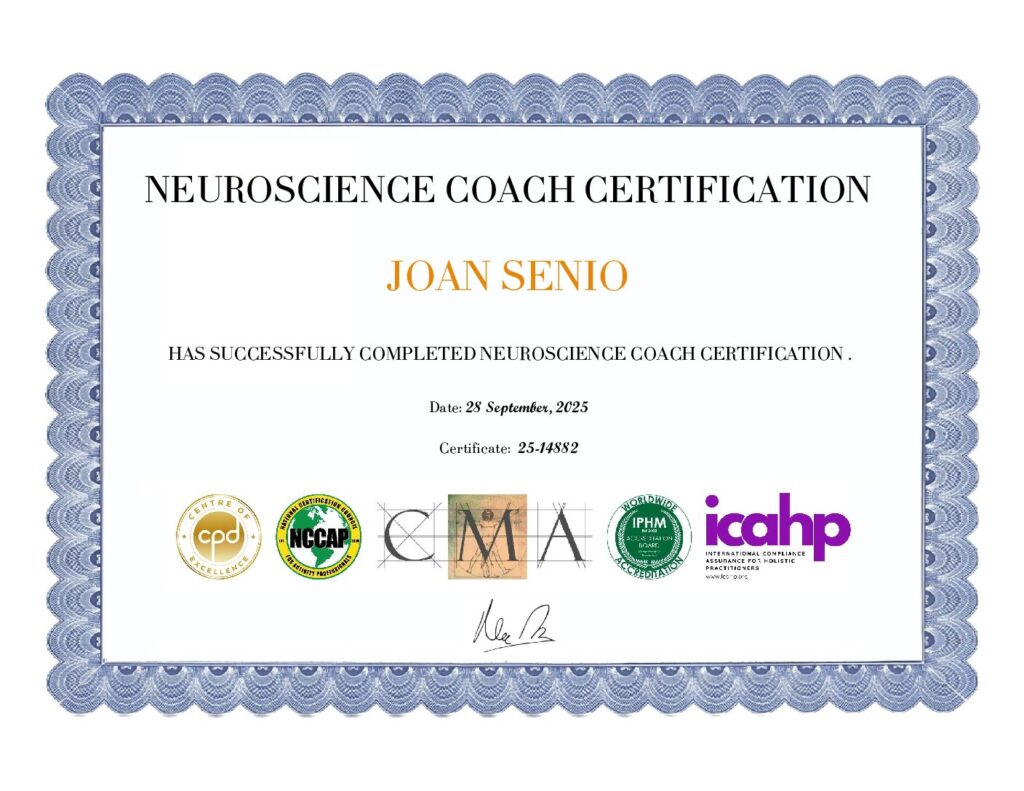
Joan Morabito Senio is the founder of Kindness-Compassion-and-Coaching.com. Joan’s career includes clinical healthcare plus 20+ years as an executive in a nationwide health care system and 15 years as a consultant. The common threads throughout Joan’s personal and professional life are a commitment to non-profit organizations, mental health, compassionate coaching, professional development and servant leadership. She is a certified Neuroscience Coach, member of the International Organization of Life Coaches, serves as a thought-leader for KuelLife.com and is also a regular contributor to PsychReg and Sixty and Me. You can read more about Joan here: Joan Senio.


No Responses