
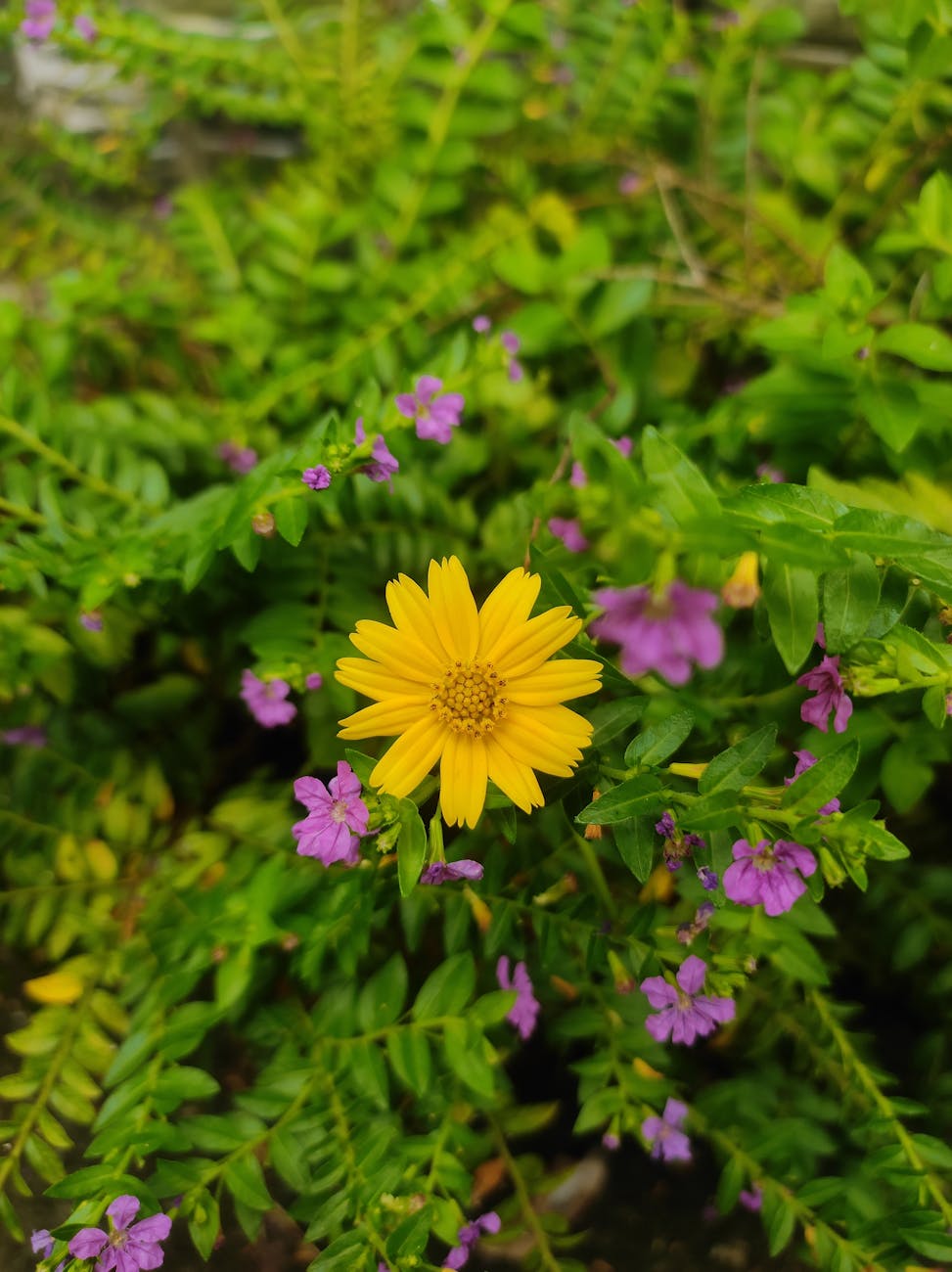
Fresh personal growth ideas are the spark that ignites meaningful development. When we tap into creative, novel ways to challenge our thinking and expand our perspectives, we break free from routines that no longer serve us. These new approaches awaken curiosity, fuel motivation, and set the stage for lasting change.
Table of Contents
- Introduction to Personal Growth Ideas: How to Build Daily Personal Growth Habits
- Personal Growth Ideas: The Psychology Behind Idea-to-Habit Transformation
- 10 Personal Growth Habits to Try Today
- Turning Ideas into Personal Growth Habits
- Personal Growth Ideas: Categorizing Personal Growth Habits for Holistic Development
- Personal Growth Ideas: Troubleshooting Roadblocks
- Personal Growth Ideas: Creating Your Custom Roadmap
- Personal Growth Ideas: Resources u0026 Further Reading
- Closing u0026 Call to Action
Introduction to Personal Growth Ideas: How to Build Daily Personal Growth Habits
Personal growth ideas and personal growth habits play different roles. Growth ideas are the innovative concepts and experiments we try, like journaling prompts, for example. Personal growth habits, by contrast, are the consistent routines we include in our daily life, turning those ideas into dependable support rituals.

In this post, you’ll discover how pairing imaginative personal growth ideas with solid personal growth habits creates a self-reinforcing cycle of improvement.
We’ll explore ten fresh ideas, then map out exactly how to translate them into habits that stick, so you can sustain momentum and continuously level up every area of your life.
Personal Growth Ideas: The Psychology Behind Idea-to-Habit Transformation
Overview of the Habit Loop: Cue, Routine, Reward
To build lasting personal growth habits, it helps to understand the habit loop: cue, routine, reward. The cue is a trigger (like a morning alarm or a mindful breath) that prompts you to act. The routine is the behavior you want to embed, for example jotting down a daily personal growth idea. The reward is the benefit or feeling you associate with completing that behavior.
How Novel Ideas Overcome Plateau and Spark Motivation
Routine can plateau when the brain adapts and loses interest. Introducing fresh personal growth ideas, such as a new journaling prompt or a learning challenge, reawakens curiosity and dopamine pathways. This spark of novelty breaks inertia, reigniting motivation and preventing boredom.
The Role of Small Wins in Personal Growth Habit Formation
Small wins are the cornerstone of habit formation. Celebrating a single completed idea or habit sends a powerful message to your brain that you’re on the right path. These successes accumulate, amplifying confidence and solidifying routines.
10 Personal Growth Habits to Try Today
Below are ten creative personal growth ideas designed to spark curiosity and infuse your day with intention. Experiment with these concepts, notice which resonate, and watch how they evolve into lasting personal growth habits.
Quarterly Vision Board Refresh. Every three months, update a visual board with goals, quotes, and images. Revisiting your vision ensures your personal growth ideas stay aligned with your evolving priorities.
Morning Journaling Prompts. Start each day with two minutes of freewriting. Pick a prompt “What excites me today?” or “What challenge can I embrace?” to cultivate self-awareness.
Weekly Theme Days. Assign each weekday a focus (creativity, reflection, connection). Rotate through themes.
Microlearning Bursts. Dedicate 5-10 minutes to a new skill or topic. Short, focused sessions build momentum.
Gratitude Voice Memos. Before bed, record three things you’re grateful for. Listening back later doubles the impact and cements an evening gratitude habit.
Daily Random Act of Kindness. Pay for someone’s coffee, send an unexpected compliment, or leave a kind note. Small gestures fuel compassion and reinforce altruistic habits.

Monthly Passion Project Sprint. Pick a small project like painting, coding a simple app, or writing a short story, and devote a weekend to it. Turning ideas into action deepens engagement.
Biweekly Book Club for Growth. Choose a personal development title and meet every two weeks (virtually or in person) to discuss key takeaways and next-step actions. For inspiration, check out: 10 Best Self-Help Books: How to Find Balance and Thrive and 10 Best Self-Improvement Books: How to Grow for $10 or Less.
Habit Stacking Experiment. Anchor a new personal growth idea to an existing routine (meditate right after brushing teeth). This technique fast-tracks habit formation.
Accountability Buddy Check-Ins. Team up with a friend for weekly progress updates. Sharing goals and wins amplifies commitment and turns solitary ideas into shared habits.
Turning Ideas into Personal Growth Habits
Turning personal growth ideas into personal growth habits requires an intentional roadmap that guides inspiration into consistent action. By piloting a small set of ideas, you’ll discover which practices resonate most before scaling them into daily routines.
Consistency is key: starting with tiny, manageable steps prevents overwhelm and makes it easier to stick with new behaviors. Tracking your progress then provides feedback, reinforces motivation, and helps you refine both the ideas and the habits that emerge.
Select 3-5 Personal Growth Ideas to Pilot
- Choose ideas that excite you and align with your goals; perhaps journaling prompts, gratitude voice memos, or mindful walking.
- Limit your initial focus to three to five personal growth ideas to prevent decision fatigue.
- Commit to practicing each idea for one to two weeks before evaluating its fit.
Apply the Rule of Consistency to Your Personal Growth Habits
- Begin with small steps: two minutes of journaling or a single gratitude memo.
- Gradually increase duration or frequency as the routine feels automatic.
- Use habit stacking by pairing a new personal growth habit with an existing trigger, like meditating right after your morning coffee.
Personal Growth Ideas: Track Progress and Refine Your Plan
- Use a simple habit-tracking app (Streaks, HabitBull) or a hard copy journal to mark daily wins.
- Set calendar reminders or alarms to cue your chosen ideas until they become seamless routines.
- Review your tracker weekly to celebrate success, troubleshoot roadblocks, and decide which personal growth ideas deserve permanent habit status.
Personal Growth Ideas: Categorizing Personal Growth Habits for Holistic Development
Organizing your personal growth ideas by life domain helps ensure a balanced approach to self-improvement. When you map each idea to a specific area, you can build targeted personal growth habits that address mindset, emotions, skills, and overall well-being. For example:
- Mindset & Motivation. Morning journaling prompts.
- Emotional Resilience. Gratitude voice memos.
- Skill & Knowledge. Microlearning bursts.
- Well-Being & Connection. Digital minimalism window.
By selecting at least one idea from each category, you’ll cultivate a suite of personal growth habits that support every facet of your life.
Personal Growth Ideas: Troubleshooting Roadblocks
Even the most inspiring personal growth ideas can stall when life gets busy or motivation wanes. Anticipating common hurdles and having strategies in place keeps your personal growth habits on track.
- Inspiration Fade. Rotate in fresh personal growth ideas every two weeks. Revisit your vision board to reignite enthusiasm.
- Perfectionism and All-or-Nothing Thinking. Focus on consistency: aim for progress. Celebrate wins to build confidence.
- Missed Days. Use “oops days” to reset without guilt; resume the next day. Adjust the habit’s scope or timing if it feels overwhelming.
- Life Shifts. Reevaluate your priorities and swap in new ideas that fit your current season. Scale back to small steps until you regain momentum.
Personal Growth Ideas: Creating Your Custom Roadmap
A personalized roadmap turns scattered ideas into an actionable plan and embeds them into daily life. By mapping each personal growth idea to a habit trigger and defining clear milestones, you’ll foster reliable personal growth habits that evolve with you.
- Choose Your Core Ideas. Select three to five personal growth ideas from the categorized list. Ensure each aligns with a key area: mindset, emotion, skill, or well-being.
- Define Habit Triggers. Anchor each idea to an existing routine (e.g., journal after morning coffee). Write down the cue, the habit action, and the intended reward.
- Set Milestones and Rewards. Week 1: complete each habit on three days. Week 2-4: increase to five days per habit.
- Schedule Check-Ins. Block a weekly “growth review” in your calendar. Use this time to log wins, troubleshoot roadblocks, and adjust your roadmap.
With this custom growth roadmap, your personal growth ideas will grow into consistent personal growth habits that propel you toward lasting change.

Personal Growth Ideas: Resources & Further Reading
If you’re eager to explore more personal growth ideas and build reliable habits, the following picks are designed to inspire fresh insights and cement new routines. Each item delivers a unique approach or research findings to power up your habit development journey.
| Product | Description |
|---|---|
| Atomic Habits by James Clear | Delivers a crystal-clear, four-step framework for stacking tiny changes into life-altering routines. Its actionable strategies make habit formation feel almost effortless. |
| Tiny Habits by BJ Fogg | Focuses on micro-successes and emotional celebration. Fogg’s model shows how scaling down to “two-minute rules” kick-starts consistency and cements habits in days, not months. |
| The Power of Habit by Charles Duhigg | Explores the neuroscience behind routine loops. Charles Duhigg uncovers real-world case studies that reveal how organizations and individuals have harnessed habit science to thrive. |
| Better Than Before by Gretchen Rubin | Introduces habit-type profiling to personalize your strategy. Rubin’s insights help you choose the right tactics for your temperament, making habit changes stickier and more joyful. |
| The Miracle Morning by Hal Elrod | Lays out a transformative AM routine built on six life-enhancing practices. Elrod’s SAVERS sequence jump-starts your day with intention and sustainable habit blocks. |
| Habit Journal: A 52-Week Tracker by Trendler | Combines undated monthly layouts with weekly habit grids. Its minimalist design keeps you focused on tracking streaks and celebrating incremental progress all year long. |
For more habit tracker options, check out: 7 Habit-Tracking Journals for Professional Moms and How to Find the Best Journal to Meet Your Needs.
Closing & Call to Action
Change rarely happens overnight, and we know how frustrating it can feel when personal growth habits don’t stick despite your best intentions. At Kindness-Compassion-and-Coaching.com, we believe every attempt, including the ones that falter, is a powerful step forward.
You’ve explored a wealth of personal growth ideas and discovered tools designed to guide you toward sustainable change.
Now it’s time to choose the specific resource that resonates most and lean into one small habit today.
- Revisit the recommended books and resources above, then pick the one that sparks your curiosity.
- Commit to a micro-habit like a single intent from Atomic Habits, or one of the ten recommended habits described above.
- Track your progress in a Habit Journal, celebrating every streak, no matter how short.
- Share your commitment in our community or with a friend to strengthen your accountability and encouragement.
You don’t have to overhaul your life in a single bound. By focusing on one habit, one idea, and one small victory at a time, you’ll build momentum that carries you forward. If you’ve felt stuck before, keep in mind, every fresh start is an opportunity to learn, to grow, and to practice kindness toward yourself.
Ready to power up your self-improvement journey? Choose one resource, take that first small step, and come back here to share your wins. We’re cheering you on every step of the way.
To learn more about the science of habits, visit:
How to Break Bad Habits Now: The Psychology of Self-Sabotage.
For more inspiration, check out Simple Well-Being Tips: How to Improve Your Quality of Life Now.
Thank you as always for reading.
Affiliate Disclosure: Some links in this post are affiliate links. As an Amazon Associate, we earn from qualifying purchases. Thank you for supporting Kindness-Compassion-and-Coaching.com at no extra cost to you.

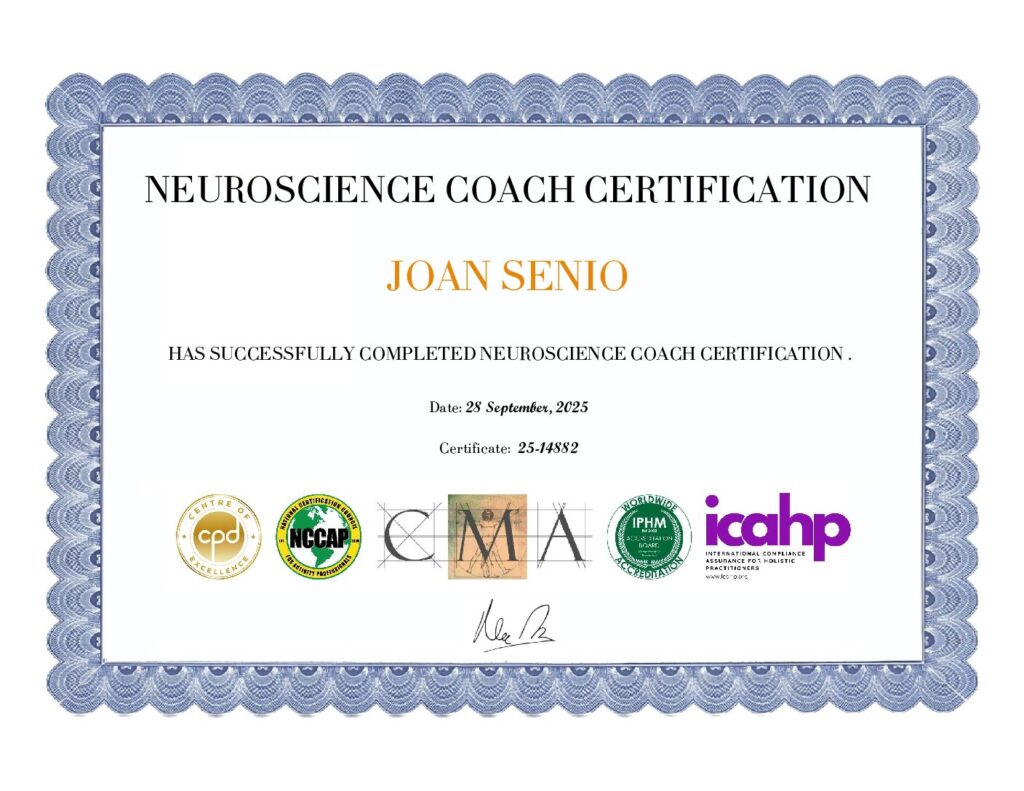
Joan Morabito Senio is the founder of Kindness-Compassion-and-Coaching.com. Joan’s career includes clinical healthcare plus 20+ years as an executive in a nationwide health care system and 15 years as a consultant. The common threads throughout Joan’s personal and professional life are a commitment to non-profit organizations, mental health, compassionate coaching, professional development and servant leadership. She is a certified Neuroscience Coach, member of the International Organization of Life Coaches, serves as a thought-leader for KuelLife.com and is also a regular contributor to PsychReg and Sixty and Me. You can read more about Joan here: Joan Senio.


No Responses