

Have you ever felt like your reactions are bigger than the moment, or that a quiet ache from the past still lingers in your present? Many of us carry scars from childhood from moments when we didn’t feel seen, safe, or fully loved. These experiences don’t just fade away. In fact, they often shape how we speak to ourselves, how we show up in relationships, and how we navigate the world. Inner child healing exercises can help chart a course for recovery.
To learn more about the roots of inner child difficulties, visit Childhood Trauma: What You Need to Know About 7 Forms of Abuse and Neglect.
Table of Contents
1. Introduction to Inner Child Healing Exercises
Inner child work isn’t about blaming anyone or denying the past. It’s about tending to the parts of you that were treated poorly. It’s about offering compassion to that younger version of yourself who needed comfort, validation, and care. Through intentional inner child healing exercises, you can begin to reconnect with that part of you, release old patterns, and build a more compassionate relationship with yourself.
This guide is here to support you with kindness. Whether you’re just beginning this journey or returning to it with fresh eyes, you’ll find tools, reflections, and practices to help you feel more whole. Healing will not happen all at once, but every small act of self-love is a powerful step forward.
2. Inner Child Healing Exercises: What Is the Inner Child?
Your inner child is the emotional core of who you once were, and who you still are. It holds your earliest memories, unmet needs, and the tender parts of you that longed to be seen, soothed, and safe.
When those needs weren’t met due to neglect, criticism, or emotional absence, your inner child may have learned to hide, self-protect, or believe they were unworthy of love.

Photo Credit
These early experiences often show up in adulthood as patterns of self-doubt, emotional reactivity, or difficulty setting boundaries. You might notice your inner child surfacing when you:
- Feel deeply hurt by rejection or criticism.
- Struggle with people-pleasing or fear of abandonment.
- Hear a harsh inner voice that echoes old wounds.
- Crave emotional safety but don’t know how to create it.
Through intentional inner child healing exercises, you can begin to offer comfort and validation to your younger self. These practices help you rewrite old narratives, build emotional resilience, and create a more kinder, more comforting relationship with yourself.
In the next section, we’ll explore how these wounds affect your adult life and how healing begins with awareness, and small, consistent steps.
3. Inner Child Healing Exercises: How Inner Child Wounds Affect Adult Life
When your inner child carries unresolved pain, it shapes how you think, feel, and relate to the world around you. These wounds often show up in subtle but powerful ways, influencing your self-worth, your relationships, and your ability to feel safe in your own skin.
You might notice the impact of inner child wounds when you experience these emotions:
- Feeling overly responsible for others’ emotions.
- Struggling to set boundaries without guilt or fear.
- Reacting strongly to criticism, rejection, or abandonment.
- Battling perfectionism or chronic self-doubt.
- Avoiding vulnerability, even when you crave connection.
These patterns are protective strategies your younger self developed to help you survive emotionally. But now, as an adult, they may keep you stuck in cycles that no longer serve you.
This is where inner child healing exercises become impactful. By reconnecting with your inner child, you begin to understand the roots of these patterns and offer the compassion that was missing. Healing doesn’t mean erasing the past, but it does mean rewriting your relationship with it.

Through guided journaling, visualization, affirmations, and somatic practices, you can start to:
- Recognize when your inner child is activated.
- Respond with empathy instead of judgment.
- Build emotional safety from the inside out.
In the next section, we’ll explore specific inner child healing exercises you can begin using today, including tools that help you reconnect, release, and grow with kindness.
4. Inner Child Healing Exercises
Healing begins with small, intentional acts of compassion. These inner child healing exercises are designed to help you gently reconnect with the parts of yourself that were once silenced, shamed, or overlooked.
You don’t need to rush or force anything. Just begin where you are. Here are some powerful exercises to explore:
4.1 Inner Child Healing Exercises: Guided Journaling Prompts
Writing can be a bridge to your inner child’s voice. Try prompts like:
- “What did I need to hear as a child but didn’t?”
- “When did I feel most safe, and why?”
- “What does my inner child want me to know today?”
4.2 Inner Child Healing Exercises: Mirror Work and Affirmations
Look into your own eyes and speak gently to yourself:
- “You are safe now.”
- “You didn’t deserve what happened, and it wasn’t your fault.”
- “I love you, and I’m here for you.”

4.3. Inner Child Healing Exercises: Visualization and Reparenting
One of the most powerful inner child healing exercises involves guided visualization and intentional reparenting.
Begin by closing your eyes and gently inviting the image of your younger self to appear, perhaps at a specific age when you felt vulnerable, unseen, or in need of comfort. Imagine sitting beside her, holding her hand, and offering the warmth, validation, and reassurance she may have longed for.
Speak to her with kindness: “You are safe now. You are loved. You matter.” This practice fosters emotional safety, rebuilds trust within yourself, and allows you to rewrite old narratives with compassion. Over time, these moments of connection can soften self-criticism, strengthen self-worth, and create a more secure inner foundation for healing and growth.
For more information, visit How to Re-Parent Your Inner Child: All You Need to Know.
4.4 Inner Child Healing Exercises: Somatic Practices
Inner child exercises aren’t just about reflection, they’re also about embodiment. Somatic practices help you reconnect with your inner child through physical sensations, movement, and gentle touch. Begin by tuning into your body: notice where tension, tightness, or emotional residue might be stored.
Place a hand over your heart or belly and breathe deeply, imagining you’re soothing your younger self with each exhale. You might sway gently, wrap yourself in a blanket, or engage in playful movement that evokes safety and joy. These practices signal to your nervous system that it’s safe to feel, to soften, and to be held.
By integrating somatic awareness into your healing journey, you create space for emotional release, self-compassion, and a deeper sense of embodied trust.
4.5 Inner Child Healing Exercises: Creative Expression
Creative expression is one of the most liberating inner child healing exercises, offering a safe and playful outlet for emotions that may have been silenced or suppressed. Through art, writing, music, or movement, you give voice to your inner child’s experiences, dreams, and longings. Try drawing with crayons, journaling from the perspective of your younger self, or dancing freely to a song that once brought you joy.
These acts are about connection. When you allow your inner child to create without judgment, you affirm her worth, her imagination, and her right to take up space. Creative expression helps release stored emotions, foster self-acceptance, and reignite a sense of wonder that’s essential to healing and wholeness.
All these inner child healing exercises are not for everyone. Choose one or two that resonate, and return to them as often as you need.
5. Inner Child Healing Exercises: Creating a Safe Inner Space
Before any deep healing can take root, your inner child needs to feel safe. Emotional safety is the foundation of trust and it’s something you can begin to cultivate with intention, gentleness, and love. When you consistently show up with compassion, you begin to rewrite the story your inner child has been carrying.
Here’s how to build that safe inner space using inner child healing exercises that nurture connection and trust:
5.1 Practice Compassionate Self-Talk
Your inner dialogue matters. Speak to yourself as you would to a child who’s scared or hurting:
- “I’m here for you.”
- “You’re allowed to feel this.”
- “You’re safe now, and I won’t leave you.”
These affirmations, repeated regularly, help soothe the nervous system and build emotional safety from within.
5.2 Create Nurturing Rituals
Rituals signal safety and predictability. Try:
- Lighting a candle before journaling or visualization.
- Wrapping yourself in a soft blanket during breathwork.
- Using a calming scent or sound to anchor your practice.
These small acts become moments of care and reminders that you are worthy of comfort.
5.3 Be Consistent, Not Perfect
When it comes to inner child healing exercises, consistency matters far more than perfection. Your inner child isn’t looking for flawless execution; she’s longing for reliability, presence, and genuine care.
Healing unfolds through small, repeated acts of kindness: showing up for yourself with a soothing ritual, revisiting a comforting visualization, or journaling your feelings even when they’re messy.
Some days you may feel deeply connected; other days, distant or distracted. That’s okay. What matters is that you keep returning, gently and without judgment. Each time you do, you reinforce the message that your inner child is worthy of love and attention, not just when you’re “doing it right,” but always. This steady, imperfect devotion builds emotional safety and lays the foundation for lasting change.
5.4 Honor Your Emotional Pace
One of the most overlooked yet essential inner child healing exercises is learning to honor your emotional pace. Your inner child may need time, patience, and repeated reassurance before she feels safe enough to open up. Instead of rushing the process or expecting immediate breakthroughs, practice tuning into your emotional rhythms.
Notice when you feel overwhelmed, resistant, or tender, and respond with compassion rather than pressure. This might mean taking breaks, revisiting exercises slowly, or simply sitting with your feelings without needing to fix them.
By honoring your emotional pace, you send a powerful message to your inner child: “You don’t have to hurry. I’m here, and I’ll wait with you.” This approach fosters trust, deepens self-respect, and creates a healing environment rooted in safety and unconditional care.
5.5. Reassure Through Repetition
The more often you return to these practices, the more your inner child begins to believe: “I am safe. I am loved. I am not alone.” Repetition is a powerful form of emotional reparenting.
Creating a safe inner space is one of the most loving gifts you can offer yourself. Through gentle, consistent inner child healing exercises, you begin to build a relationship rooted in trust, compassion, and emotional freedom.
6. Inner Child Healing Exercises: Integrating Healing into Daily Life
Inner child healing isn’t just something you do in quiet moments. It’s a way of living with more awareness, compassion, and emotional truth. The real change happens when you begin to notice your inner child in everyday situations and respond with care instead of old patterns.
Here’s how to bring your inner child healing exercises into daily life in a way that feels doable and supportive:
6.1 Inner Child Healing Exercises: Recognize When Your Inner Child Is Activated
Your inner child often speaks through emotion. You might feel:
- Overwhelmed by criticism or rejection.
- Anxious when someone pulls away or sets a boundary.
- Deeply hurt by feeling left out or unseen.
These moments aren’t signs of weakness. They’re signals that it’s time to pause and listen. Ask yourself: “Is this feeling familiar? Does it remind me of something from childhood?” That awareness is the first step toward healing.
6.2 Inner Child Healing Exercises: Respond with Compassion, Not Reaction
When your inner child is activated, it’s easy to react with defensiveness, withdrawal, or self-blame. Instead, try responding with one of your inner child healing exercises:
- Place a hand on your heart and say, “I’m here. You’re safe.”
- Take a few deep breaths and visualize comforting your younger self.
- Journal what your inner child is feeling and what they need.
Compassionate responses help interrupt old cycles and build emotional safety.

6.3 Inner Child Healing Exercises: Build a Supportive Environment
Healing flourishes in spaces that feel safe, consistent, and emotionally nourishing. You can create this by:
- Surrounding yourself with people who respect your boundaries and honor your growth.
- Designing routines that include time for reflection, rest, and creativity.
- Setting gentle reminders to check in with your inner child throughout the day.
Even small shifts, like starting your morning with an affirmation or ending your day with a calming ritual can reinforce the message: “You matter. You’re cared for.”
6.4 Inner Child Healing Exercises: Make Healing a Daily Practice
You don’t need to do everything at once. Choose one or two inner child healing exercises that feel supportive and integrate them into your routine. The best healing happens through repetition, presence, and love.
7. Inner Child Healing Exercises: Resources for Deeper Healing
Healing your inner child is a journey that unfolds layer by layer, with tenderness, courage, and care. If you’ve found comfort or clarity through these inner child healing exercises, know that there are many more tools and resources available to support your continued growth.
Explore expert insights and emotional guidance through these compassionate reads:
- Homecoming by John Bradshaw, A foundational guide to inner child work.
- The Inner Child Workbook by Cathryn L. Taylor, Practical exercises and reflections.
- Healing the Child Within by Charles Whitfield, A gentle, trauma-informed approach.
- The Adult Chair by Michelle Chalfont, Blends psychology and inner child work with real-life tools.
8. A Loving Message to Your Inner Child
Healing your inner child is a relationship built on patience, presence, and the quiet courage to show up for yourself, again and again. As you explore these inner child healing exercises, keep in mind, you’re not fixing something broken. You’re reconnecting with someone precious.
There may be days when the work feels tender, or when old emotions rise to the surface. That’s okay. Every feeling is a doorway to deeper understanding. Every moment of compassion is a thread that begins to incorporate safety back into your story.
Before you go, take a breath and offer this affirmation to your inner child:
“You are safe now. You are loved. I see you, I hear you, and I will never leave you.”
You deserve a life rooted in kindness; toward yourself, your past, and your future. Keep showing up. You’re doing a great job!
For more inspiration, visit:
Compassionate Self-Reflection Questions | How to Find Calm
Thank you as always for reading. Be sure to subscribe so you never miss a post.
Affiliate Disclosure: Some links in this post are affiliate links. As an Amazon Associate, we earn from qualifying purchases. Thank you for supporting Kindness-Compassion-and-Coaching.com at no extra cost to you.

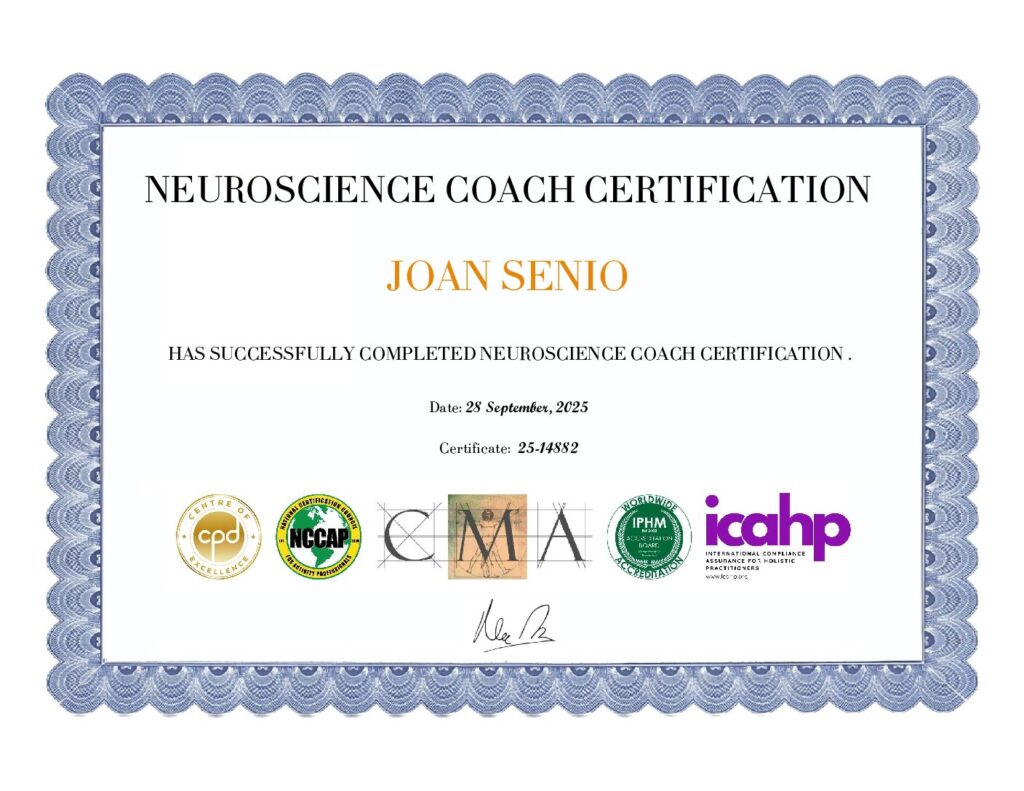
Joan Morabito Senio is the founder of Kindness-Compassion-and-Coaching.com. Joan’s career includes clinical healthcare plus 20+ years as an executive in a nationwide health care system and 15 years as a consultant. The common threads throughout Joan’s personal and professional life are a commitment to non-profit organizations, mental health, compassionate coaching, professional development and servant leadership. She is a certified Neuroscience Coach, member of the International Organization of Life Coaches, serves as a thought-leader for KuelLife.com and is also a regular contributor to PsychReg and Sixty and Me. You can read more about Joan here: Joan Senio.







No Responses