

As the days shorten and sunlight fades, many people feel the shift not just in the air, but in their mood, energy, and motivation. Seasonal Affective Disorder (SAD) affects millions each year, and for those who experience it, fall can feel like the beginning of a long, dark, emotional stretch. Light therapy lamps offer a practical, research-backed way to counteract the effects of seasonal darkness, and the right lamp, coupled with a light therapy for fall routine can make a noticeable difference in how you feel each day.
Table of Contents
- Welcome to Your Light Therapy Lamp Buyer's Guide
- How Light Therapy Works
- The Goal of Light Therapy for Fall
- Features to Look for in the Best SAD Lamps
- Top Light Therapy Lamps for Fall: Reviews & Recommendations
- Top Light Therapy Lamps Comparison
- How to Use Light Therapy Lamps Effectively
- Emotional Support Beyond Light Therapy Lamps
- Light Therapy Lamps for Fall: Frequently Asked Questions
- How to Choose Light Therapy Lamps to Support You This Season + Bonus Printables Bundle!
Welcome to Your Light Therapy Lamp Buyer’s Guide
This is a buyer’s guide for light therapy lamps, designed for readers who are ready to take action. You’ll find clear recommendations, honest pros and cons, features to look for, and more. We’ll walk through what makes the best SAD lamps effective, how to choose one that suits your space and lifestyle, and which products are worth your investment.
We’ve provided a Light Therapy Lamp / Seasonal Affective Disorder bundle of printables, too.
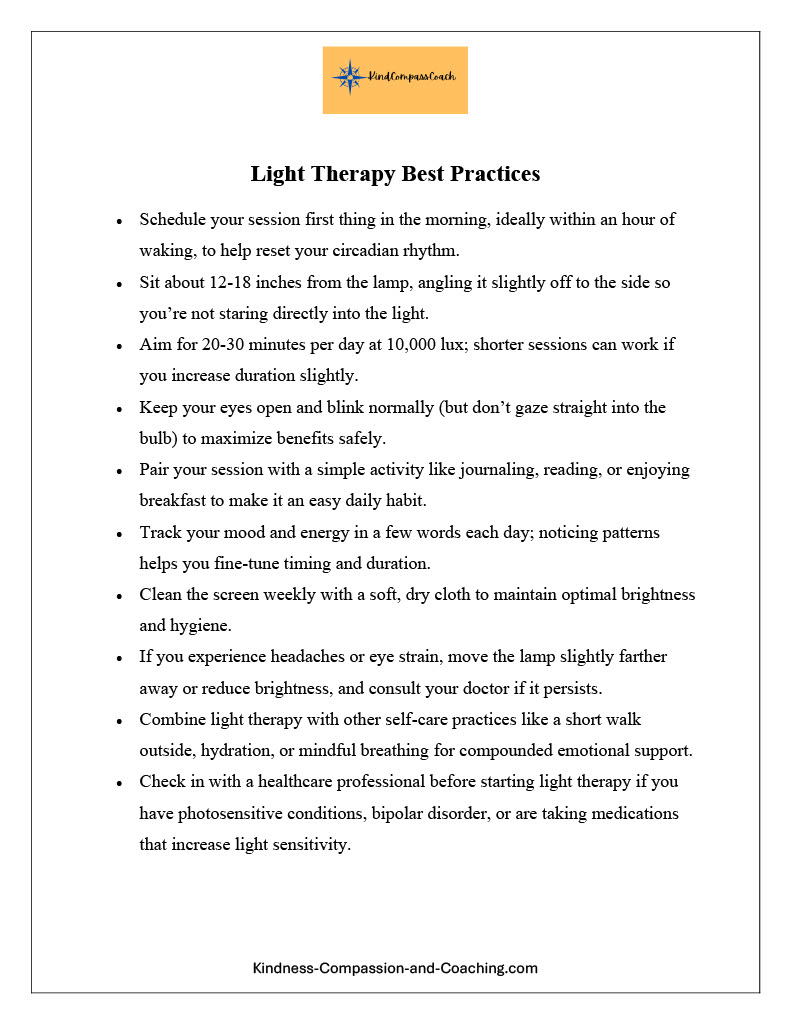
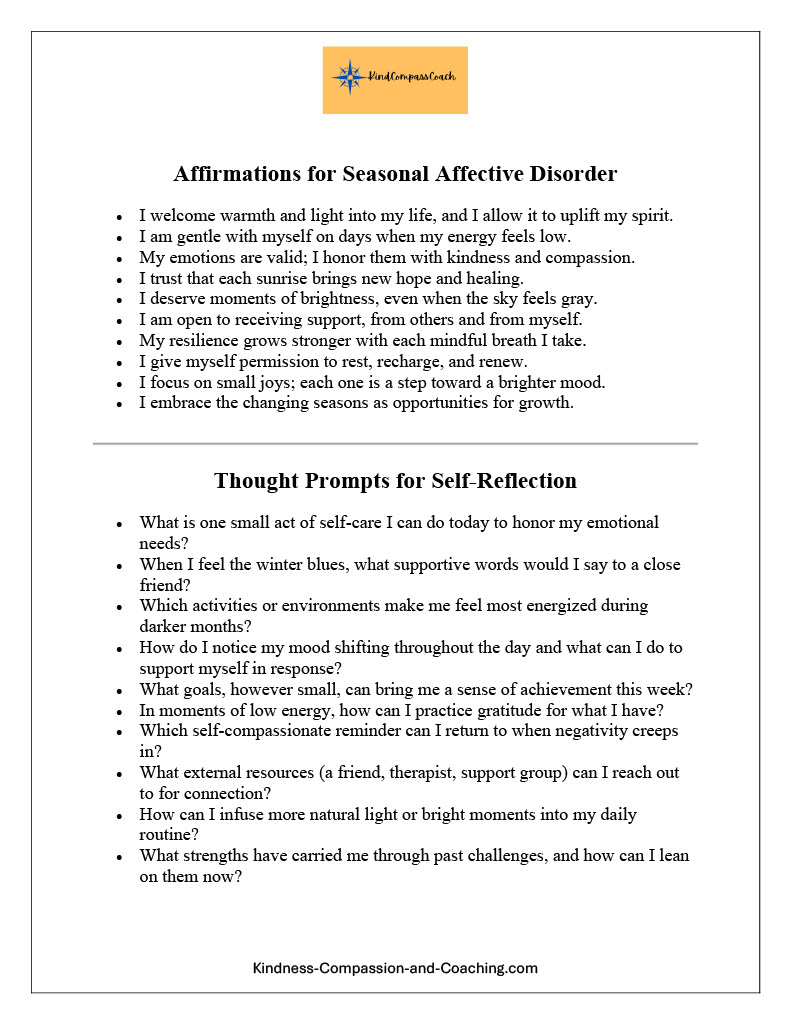
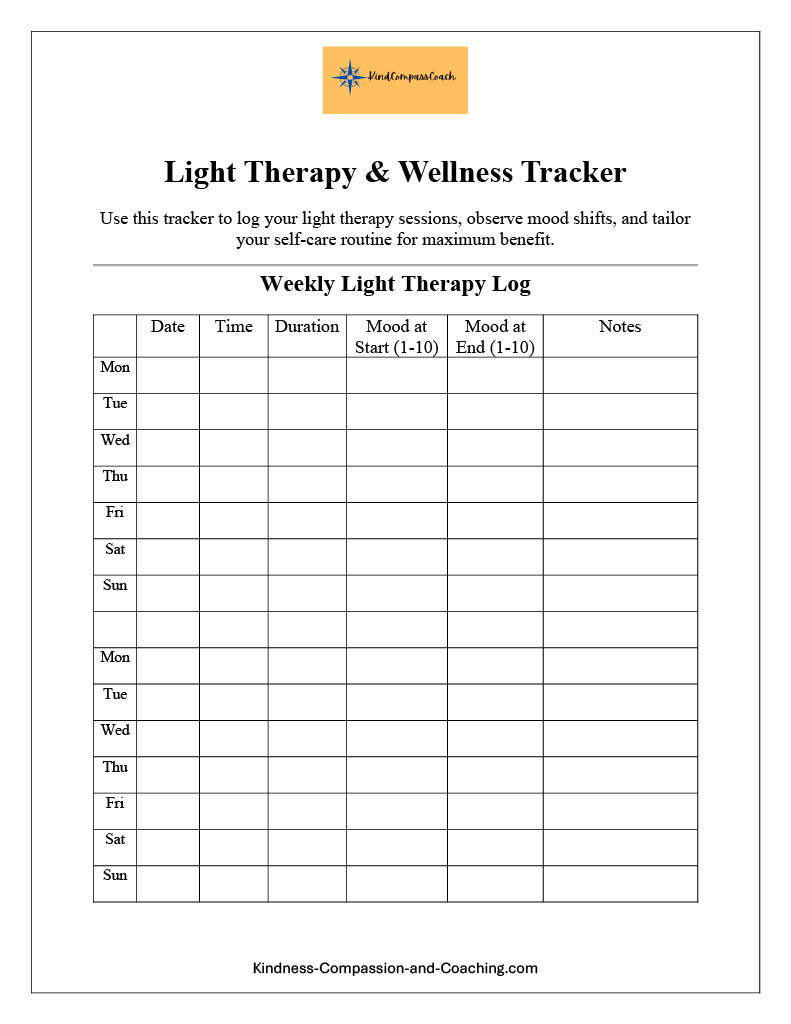
These include a 1-page condensed Buyer’s Guide and a 1-Page summary of Light Therapy Lamp Best Practices. We’ve also thrown in a collection of Affirmations and Thought Prompts to help you navigate SAD, as well as a printable 2-week Light Therapy Tracking Log so you can document your light therapy routine and figure out what works best for you.
If you’re searching for the best light therapy lamps to support your mental health this fall, and other resources to help you beat SAD this fall, you’re in the right place. Let’s help you find a lamp and everything else you need to bring light back into your mornings, and clarity back into your season.

How Light Therapy Works
Light therapy is a practical, science-backed way to support your mood and energy when natural sunlight becomes scarce. For those living with Seasonal Affective Disorder (SAD), the decrease in daylight hours can trigger symptoms like fatigue, low motivation, irritability, and difficulty concentrating.
A light therapy lamp helps counteract those effects by simulating the brightness of morning sunlight without the UV exposure.
When used consistently, the best light therapy lamps activate the same biological responses that natural light does. Exposure to bright, white light in the morning helps regulate your circadian rhythm, which controls sleep-wake cycles, hormone production, and alertness. It also supports serotonin levels, which play a key role in mood stability.
The Goal of Light Therapy for Fall
The goal isn’t to flood your space with light. It’s to deliver the right intensity, at the right time, in a way that signals to your brain: “It’s time to wake up, focus, and feel better.”
That’s why choosing the best SAD lamps matters. The right lamp can help you feel more present, more capable, and more emotionally steady as the season shifts.
If you’re looking for a tool that fits into your routine and actually helps, light therapy is worth considering. The next section will walk you through what to look for when shopping, so you can choose a lamp that supports your well-being and fits your lifestyle.
Features to Look for in the Best SAD Lamps
Not all light therapy lamps are created equal. If you’re shopping with the intention to feel better this fall, it’s worth knowing which features actually support your emotional and physical well-being, and which ones are just marketing fluff.
Below are the key elements to consider when choosing the best SAD lamps for your space, your routine, and your needs. Detail regarding these features is available following the table.
| Feature | Why It Matters |
|---|---|
| 10,000 Lux Brightness | Clinically recommended for effective treatment |
| UV-Free Light | Safe for skin and eyes |
| Size & Portability | Fits into daily routines; desk, bedside, or travel |
| Adjustable Angles | Helps target light toward eyes without strain |
| Timer & Dimming Options | Supports consistent use and comfort |
| Color Temperature | Cooler light mimics daylight; warmer tones may feel more soothing |
| Design & Aesthetic | Encourages daily use if it fits your space and style |
✅ Brightness Level (10,000 Lux). This is the gold standard. A lamp with 10,000 lux mimics natural daylight and delivers the intensity needed to support mood regulation and circadian rhythm alignment. Anything lower may not be effective unless used for longer periods.
✅ UV-Free Light. You want brightness without the burn. UV-free lamps protect your skin and eyes while still delivering the therapeutic benefits of light exposure.
✅ Size and Light Surface. Larger lamps offer a broader field of light, which can be more effective if you’re sitting farther away or multitasking. Smaller lamps work well for close-up use, like at a desk or bedside.
✅ Adjustability. Look for lamps with adjustable angles or stands. Being able to position the light at eye level without straining makes a big difference in comfort and consistency.
✅ Timer and Dimming Options. Built-in timers help you stick to a routine, while dimming features allow you to customize brightness based on time of day or sensitivity.
✅ Color Temperature. Cool white light (around 5,000-6,500K) is closest to daylight and most effective for SAD. Warmer tones may feel cozy but aren’t as clinically effective.
✅ Design and Portability. If a lamp fits your space and aesthetic, you’re more likely to use it daily. Sleek, compact models are ideal for small rooms or travel, while larger units suit home offices or wellness corners.
Top Light Therapy Lamps for Fall: Reviews & Recommendations
If you’re ready to invest in a light therapy lamp that actually supports your emotional well-being this fall, look below for the standout options that combine clinical effectiveness with practical design.
Each one meets the criteria for brightness, safety, and usability, so you can choose based on your space, lifestyle, and preferences. The highlights are displayed in the table below.
Top Light Therapy Lamps Comparison
| Product | Best For | Pros | Cons | Emotional Benefit |
|---|---|---|---|---|
| Verilux HappyLight Luxe | Everyday use, desk setups | Sleek design Adjustable brightness UV-free, full-spectrum light | No timer May be too bright for sensitive eyes | Boosts mood and energy gently without overstimulation |
| Carex Day-Light Classic Plus | Clinical-grade therapy | 10,000 lux at safe distance Large screen Recommended by therapists | Bulky Not travel-friendly | Offers structured, reliable support for SAD symptoms |
| Circadian Optics Lumine Light | Minimalist spaces | Compact, Modern design One-touch operation | Fixed angle No timer | Encourages consistent use with low-friction setup |
| Northern Light Technologies Boxelite | Home office or reading nook | Broad light surface High lux output Durable build | Industrial look Higher price point | Creates a calming, immersive light environment for focus and calm |
| Philips SmartSleep Light Therapy Lamp | Gentle wake-ups | Sunrise simulation Multiple light settings App connectivity | Pricey Less intense for SAD treatment | Supports emotional regulation through soothing morning routine |
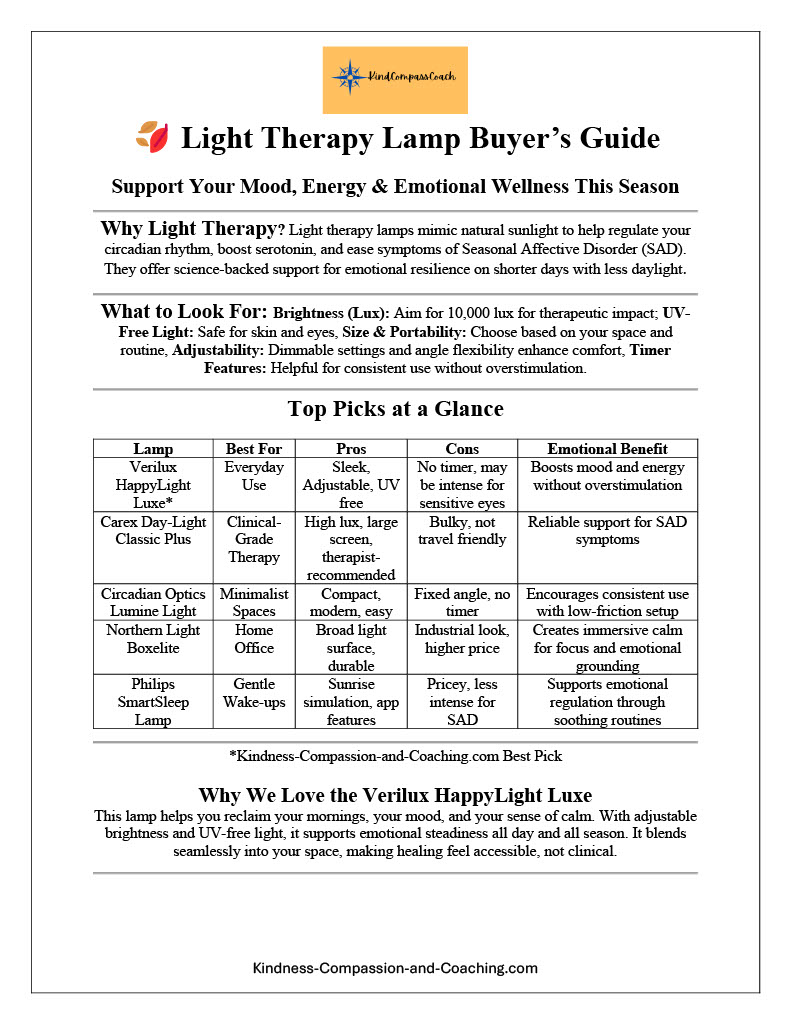
If it’s helpful, you can print your own copy of our one-page Light Therapy Lamps Buying Guide.

Each of the lamps described above offers a different kind of support, but all are designed to help you feel more alert, more balanced, and more capable as the season shifts. All that said, we do have a favorite!
Why We Love the Verilux HappyLight Luxe

The Verilux HappyLight Luxe is more than just a sleek wellness tool. This lamp lets you reclaim your mornings, your mood, and your sense of calm. With adjustable brightness and UV-free full-spectrum light, it supports emotional steadiness all day and all season. It blends seamlessly into your space without overwhelming it, making healing feel accessible, not clinical.
(No, sadly, Verilux did not pay us to say this!)
How to Use Light Therapy Lamps Effectively
Buying one of the best light therapy lamps is a smart step toward feeling more balanced and alert during fall. But to get the most out of it, consistency and placement matter. Light therapy works best when it becomes part of your daily rhythm, not something you use sporadically or only on tough days. Here’s how to make your lamp work for you:
Use It in the Morning. The most effective time to use your lamp is within the first hour of waking up. Morning exposure helps reset your internal clock, boost serotonin, and reduce grogginess. Think of it as a signal to your brain that the day has started, even if it’s still dark outside.
Stick to 20-30 Minutes. Most people benefit from 20 to 30 minutes of exposure at 10,000 lux. You don’t need to stare directly into the light, just keep it within your field of vision while you go about your morning routine. Reading, journaling, or checking email are all good pairings.
Position It Correctly. Place the lamp about 16 to 24 inches from your face, angled slightly downward. It should be at eye level or just above but never shining directly into your eyes. The goal is to let the light reach your retina without causing discomfort.
Make It Part of Your Setup. Choose a location where you already spend time in the morning. A desk, kitchen counter, or bedside table works well. If your lamp is portable, consider moving it between spaces depending on your routine.
Use It Daily. Consistency is key. Even if you don’t feel immediate results, regular use helps regulate your mood and energy. Many people notice improvements within a week of daily sessions.
Pair It with Supportive Habits. Light therapy works best when it’s part of a broader self-care plan. Pair it with calming rituals like journaling, stretching, or sipping something warm. You’re not just chasing brightness; you’re building structure that supports emotional steadiness.
Emotional Support Beyond Light Therapy Lamps
Light therapy is a powerful tool, but it’s not the only one worth reaching for when fall starts to feel heavy. If you’re investing in one of the best SAD lamps, it’s also worth building a support system and self-care routine around it; one that helps you feel more grounded, more capable, and more emotionally steady.
Start with structure. A consistent morning routine can anchor your day and make light therapy easier to stick with. Pair your lamp with a warm drink, a short journaling session, or a few minutes of quiet reflection. These small rituals help create a rhythm that supports emotional regulation.
Next, consider adding tactile comfort. Weighted blankets, cozy textures, and calming scents can help ease overstimulation and support nervous system regulation. If you’re already using light therapy for fall, these additions can help round out your environment in a way that feels safe and supportive.
Finally, give yourself space to reflect. Fall is a season of transition, and that shift can stir up emotions that deserve attention. Printable journal prompts, seasonal check-ins, and emotional resilience guides can help you process what’s coming up and stay connected to your inner voice.
To learn more, visit How to Build Emotional Resilience and Inner Strength.
Light therapy is a starting point. What you build around it can help you feel more supported, more present, and more equipped to move through the season with clarity.
Light Therapy Lamps for Fall: Frequently Asked Questions
1. What is light therapy, and how does it work? Light therapy involves exposure to a bright, artificial light that mimics natural sunlight. It helps regulate your circadian rhythm, boost serotonin levels, and reduce symptoms of Seasonal Affective Disorder (SAD), depression, and sleep disturbances.
2. Who can benefit from using a light therapy lamp? Light therapy may support individuals experiencing Seasonal depression (SAD), non-seasonal depression or anxiety, sleep disorders or jet lag, or low energy or motivation during darker months. Always consult a healthcare provider if you have bipolar disorder, eye conditions, or are taking medications sensitive to light.
3. When is the best time to use a light therapy lamp? Morning use is typically most effective. Exposure within the first hour of waking helps reset your internal clock and improve mood and alertness throughout the day.
4. How long should I use a light therapy lamp each day? Most people start with 20–30 minutes daily at a distance of 16–24 inches from the lamp. Consistency is key; benefits often appear within a few days to two weeks.
5. What should I look for in a light therapy lamp? Choose a lamp that emits 10,000 lux of full-spectrum, UV-free light, is medically certified or clinically tested, and allows comfortable positioning at eye level without direct staring.
6. Can light therapy lamps help with vitamin D deficiency? No. Light therapy lamps do not produce UVB rays, which are needed for vitamin D synthesis. For that, safe sun exposure or supplements are recommended.
7. Are there any possible side effects? Most users tolerate light therapy well. Mild side effects may include eye strain or headache, nausea, vomiting, and irritability or agitation (especially if overused). Start gradually and adjust based on your comfort. If symptoms persist, consult a professional.
8. Can I use a light therapy lamp while working or reading? Yes! You don’t need to stare directly into the lamp. Position it slightly off to the side while you go about your morning routine: reading, journaling, or working.
9. What are common mistakes to avoid? Sitting too far from the lamp, using it too late in the day, not using it consistently, and expecting instant results. Proper setup and routine use are essential for effectiveness.
10. Is light therapy safe for children or older adults? Generally, yes, but always consult a healthcare provider first. Sensitivities and medical conditions may require tailored guidance.
How to Choose Light Therapy Lamps to Support You This Season + Bonus Printables Bundle!
If fall tends to bring a drop in energy, mood, or motivation, a light therapy lamp can be one of the most effective tools you add to your routine. The best SAD lamps are designed to support your emotional steadiness, your sleep cycle, and your ability to show up for your day.
Choosing the right light therapy lamp starts with knowing your space and your habits.
If you work from home, a larger model with adjustable angles might fit best on your desk. If you’re often on the go, a compact lamp with a sleek design may be easier to use consistently. Look for 10,000 lux brightness, UV-free light, and features that make daily use feel doable. The best lamps for fall and seasonal affective disorder are the ones you’ll actually turn on.
This season doesn’t have to feel like something you just get through.
With the right light therapy lamp, you can create a rhythm that supports your emotional health and helps you feel more present in your own life.
If you’re ready to take that step, revisit the recommendations above and choose the one that fits your space, your schedule, and your needs. You deserve tools that work and bright light therapy lamps are proven to deliver results.
To explore another winning strategy to reduce anxiety and symptoms of SAD, visit The Best Weighted Blankets for Anxiety: How to Choose the Right One.
We didn’t forget that we promised you a bonus! Our bonus Light Therapy Lamp Bundle of printables provides you with Light Therapy Lamp Best Practices, Affirmations and Thought Prompts to help you cope with seasonal affective disorder, as well as a Light Therapy Tracking Log.
If you’re curious, here’s what they look like:


We hope our Light Therapy Lamp Buyer’s Guide helps you to establish a routine that includes light therapy for fall and that these resources help you enjoy the beauty of the season. For more suggestions on how to make this autumn the best one yet, visit Seasonal Mindfulness.
Thank you as always for reading.
Affiliate Disclosure: Some links in this post are affiliate links. As an Amazon Associate, we earn from qualifying purchases. Thank you for supporting Kindness-Compassion-and-Coaching.com at no extra cost to you.

Joan Morabito Senio is the founder of Kindness-Compassion-and-Coaching.com. Joan’s career includes clinical healthcare plus 20+ years as an executive in a nationwide health care system and 15 years as a consultant. The common threads throughout Joan’s personal and professional life are a commitment to non-profit organizations, mental health, compassionate coaching, professional development and servant leadership. She is a certified Neuroscience Coach, member of the International Organization of Life Coaches, serves as a thought-leader for KuelLife.com and is also a regular contributor to PsychReg and Sixty and Me. You can read more about Joan here: Joan Senio.







No Responses