
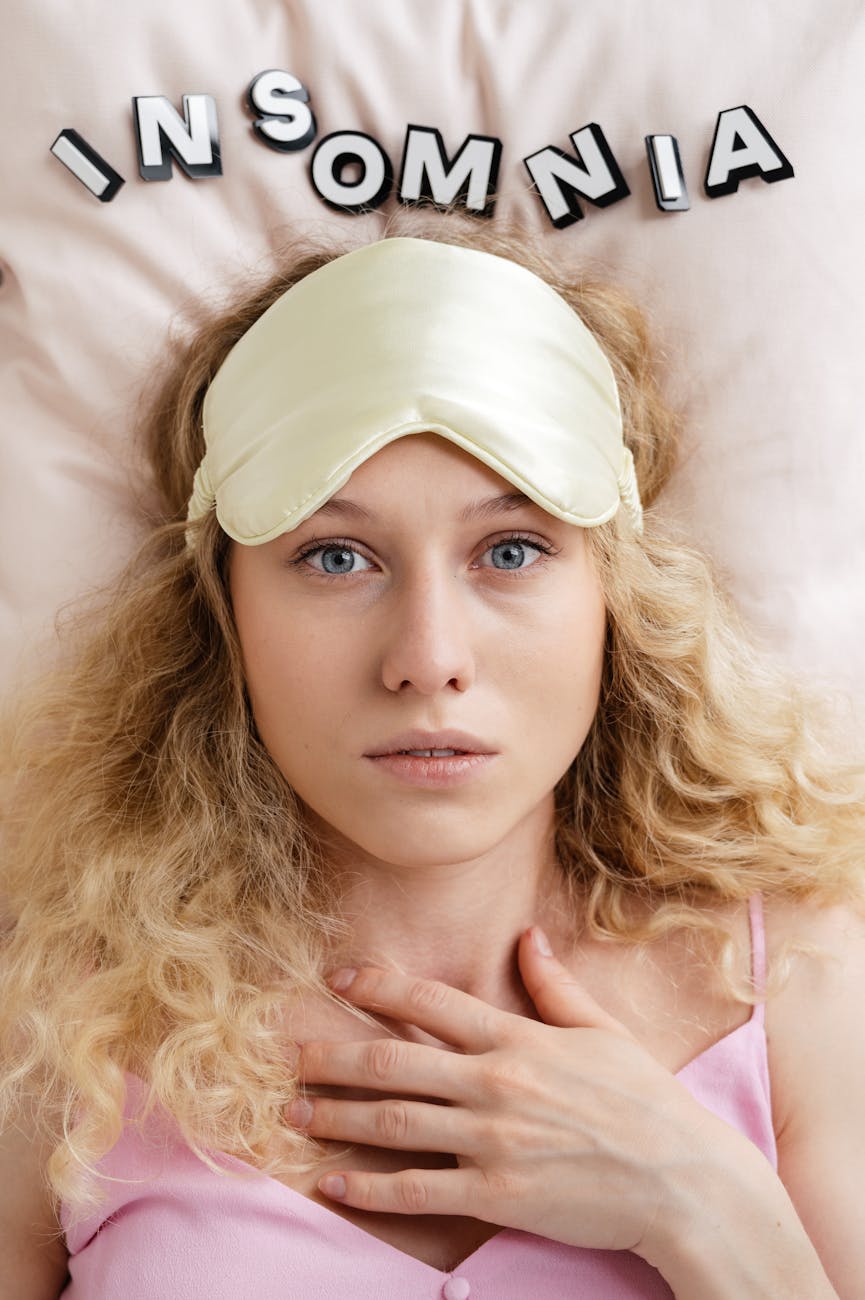
Generalized anxiety symptoms can create constant worry, tension, and emotional exhaustion.
Today, we explain what causes generalized anxiety, how it affects the mind and body, and the most effective trauma‑informed strategies for healing.
Whether you’re supporting yourself or others, you’ll find tools that restore confidence, calm, and emotional safety.

Generalized Anxiety Symptoms
Generalized Anxiety Disorder (GAD) is one of the most common anxiety conditions, yet many people struggle for years before recognizing what they’re experiencing.
Instead of sudden panic or specific fears, generalized anxiety symptoms often feel like a constant hum of worry that never fully quiets.
People describe waking up tense, going through the day with a sense of dread, and feeling unable to relax even when nothing is “wrong.”
This form of anxiety can be confusing because it blends into daily life. It affects how you think, how your body feels, and how you move through the world. Understanding what generalized anxiety symptoms look like and why they happen is the first step toward healing.
Read on to learn more about the root causes of generalized anxiety, its most common symptoms, and evidence‑based strategies grounded in neuroscience and trauma‑informed care to aid recovery. Whether you’re navigating these symptoms yourself or supporting someone else, you’ll find practical tools to restore emotional safety and resilience.
What Is Generalized Anxiety?
Generalized anxiety is characterized by persistent, excessive worry about multiple areas of life.
Unlike phobias or panic disorder, which center on specific triggers, generalized anxiety creates a broad sense of unease that can attach itself to anything: health, relationships, work, finances, or even hypothetical future scenarios.
People with generalized anxiety symptoms often describe feeling “on alert,” as if waiting for something bad to happen.
This state is not a personality; it’s a nervous system stuck in protection mode.
Generalized anxiety becomes problematic when worry feels uncontrollable, when the body remains tense for long periods, or when daily functioning becomes difficult. The good news: with the right tools, the nervous system can learn to shift out of this heightened state.
Common Generalized Anxiety Symptoms
Generalized anxiety symptoms affect the body, mind, and emotions. They often appear gradually, making them easy to dismiss until they begin interfering with daily life.
Physical Symptoms. Many people experience chronic muscle tension, headaches, stomach discomfort, or a racing heart. The body may feel restless or fatigued, even after adequate sleep. These physical sensations are signs that the nervous system is working hard to stay alert.
Cognitive Symptoms. Generalized anxiety often creates racing thoughts, difficulty concentrating, or a tendency to imagine worst‑case scenarios. People may replay conversations, worry about future events, or feel unable to “turn off” their mind.
Emotional Symptoms. Emotionally, generalized anxiety can create irritability, dread, or a sense of being overwhelmed by daily tasks. Some people feel disconnected from themselves or struggle to trust their own decisions.
Behavioral Symptoms. Avoidance is common. People may delay tasks, withdraw from social interactions, or seek constant reassurance. These behaviors are attempts to reduce anxiety, but they often reinforce the cycle.
These symptoms are not signs of weakness. They are signals from a nervous system that has learned to stay vigilant.
What Causes Generalized Anxiety?
Generalized anxiety develops through a combination of biological, psychological, and environmental factors. Understanding these causes helps to identify the most effective treatments.
Trauma and Early Life Stress. Trauma is one of the strongest predictors of generalized anxiety symptoms. When a child grows up in an unpredictable or emotionally unsafe environment, the nervous system learns to stay alert. This pattern can persist into adulthood, even when life becomes safer.
Chronic Stress. Long‑term stress from work, caregiving, financial strain, or relationship conflict can keep the body in a heightened state of arousal. When stress becomes constant, the nervous system struggles to return to baseline.
Genetics and Brain Chemistry. Some people are biologically more sensitive to stress. Genetics influence how the brain processes fear, worry, and uncertainty.
Lifestyle Factors. Poor sleep, high caffeine intake, lack of movement, and irregular routines can intensify generalized anxiety symptoms.
Environmental Influences. Noise, clutter, chaotic living conditions, or ongoing conflict can keep the nervous system activated.
Generalized anxiety is rarely caused by one factor. It is usually the result of multiple influences interacting with a sensitive nervous system.
How Generalized Anxiety Affects Daily Life
Generalized anxiety symptoms can shape every part of life. Work may feel harder because concentration is disrupted. Relationships may feel strained when worry or irritability becomes overwhelming. The body may feel exhausted from constant tension.
Many people describe feeling like they’re “carrying the weight of the world,” even when nothing specific is wrong.
Others feel stuck in a cycle of worry and avoidance that limits their ability to enjoy life.
These experiences are common and treatable through a range of options:
Evidence‑Based Treatments. Healing generalized anxiety requires a combination of nervous‑system regulation, cognitive strategies, and supportive lifestyle changes. Trauma‑informed care is especially effective because it addresses the root causes rather than just the symptoms.
Nervous System Regulation. Breathwork, grounding exercises, and somatic practices help shift the body out of survival mode. These techniques teach the nervous system to recognize safety.
Cognitive Approaches. Cognitive Behavioral Therapy (CBT) helps identify thought patterns that fuel anxiety and replace them with more accurate interpretations.
Mindfulness and Interoception. Practices that increase awareness of bodily sensations help individuals notice early signs of anxiety and intervene before symptoms escalate.
Lifestyle Adjustments. Improving sleep, reducing stimulants, and incorporating movement can significantly reduce generalized anxiety symptoms.
Professional Support. Therapists trained in trauma‑informed modalities such as EMDR, somatic therapy, or polyvagal‑informed approaches can help individuals process root causes and build long‑term resilience.
Recommended Products for Generalized Anxiety Symptoms Support
These tools support emotional regulation, grounding, and nervous‑system stabilization. They are helpful for individuals as well as coaches working with clients.
Weighted Blanket. Provides deep pressure stimulation that can reduce physiological arousal and promote calm. Many report improved sleep and reduced nighttime anxiety.
Breathing Boards and Breath‑Pacing Tools. A tactile device that guides slow, regulated breathing. Excellent for grounding during anxious moments.
Aromatherapy Diffuser with Lavender or Bergamot Oils. Supports relaxation through sensory cues that signal safety to the nervous system.
Therabox Self-Care Subscription Box. Monthly box with wellness products, affirmations, and mindfulness tools. Best for sensory-sensitive individuals and those seeking gentle support. Curated by mental health professionals; includes full-size items.
Anxiety and Trauma‑Recovery Workbooks. Structured exercises help individuals identify triggers, build coping skills, and track progress.
Anti-Anxiety Journals and Workbooks. Structured prompts and education material. Best for adults and teens who benefit from guided reflection. Created by therapists; includes evidence-based exercises.
Emotional Freedom Technique (EFT) Tapping Tools. For EFT beginners. Learn how tapping exercises can ease anxiety and overwhelm and improve sleep. Features trauma-informed language and easy-to-follow visuals.
Magnesium Glycinate Supplement. Supports sleep, muscle relaxation, and nervous system regulation. Best for adults with anxiety linked to tension or poor sleep. Gentle on digestion; recommended by integrative practitioners. Read more about how magnesium can provide anxiety relief.
These items can all be easily integrated into your daily routines or coaching sessions.
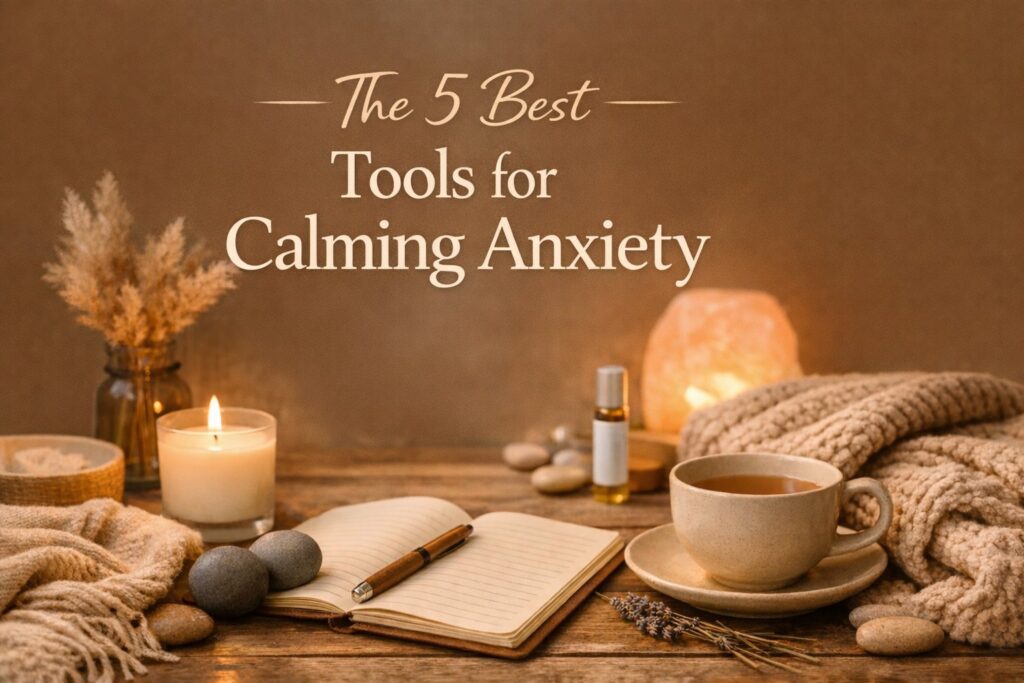
You may also wish to review the 5 Best Tools for Calming Anxiety Now and choose one that best suits your circumstances.
FAQ: Generalized Anxiety Symptoms
What are the most common generalized anxiety symptoms? Persistent worry, muscle tension, difficulty concentrating, irritability, and restlessness.
Can generalized anxiety be caused by trauma? Yes. Trauma can keep the nervous system in a protective state, making generalized anxiety more likely.
Is generalized anxiety treatable? Absolutely. With the right combination of nervous‑system regulation, cognitive strategies, lifestyle changes, and professional support, symptoms can decrease significantly.
Do I need medication? Medication can be helpful for some individuals, but it is not the only option. A healthcare professional can help determine whether it’s appropriate.
Final Thoughts on Generalized Anxiety Symptoms
Generalized anxiety symptoms can feel overwhelming, but they are understandable responses to stress, trauma, or nervous‑system imbalance. With the right tools and support, healing is possible.
Whether you’re navigating generalized anxiety yourself or helping others through it, the path forward begins with understanding, compassion, and evidence‑based strategies that restore emotional safety and resilience.
Thank you as always for reading.
Affiliate Disclosure: Some links in this post are affiliate links. As an Amazon Associate, we earn from qualifying purchases. Thank you for supporting Kindness-Compassion-and-Coaching.com at no extra cost to you.

Joan Morabito Senio is the founder of Kindness-Compassion-and-Coaching.com. Joan’s career includes clinical healthcare plus 20+ years as an executive in a nationwide health care system and 15 years as a consultant. The common threads throughout Joan’s personal and professional life are a commitment to non-profit organizations, mental health, compassionate coaching, professional development and servant leadership. She is a certified Neuroscience Coach, member of the International Organization of Life Coaches, serves as a thought-leader for KuelLife.com and is also a regular contributor to PsychReg and Sixty and Me. You can read more about Joan here: Joan Senio.






No Responses