

With many people wearing their packed schedules and overwhelming to-do lists as badges of honor, the busyness epidemic has become a badge of honor.
In a society that glorifies constant productivity and the hustle culture, being perceived as busy has come to symbolize importance, success, and even virtue. From juggling work, family, social commitments, and personal pursuits, many people find themselves caught up in it all, seemingly almost equating their self-worth with the level of activity in their lives. But why do so many pride themselves on being super busy all the time? What are the underlying factors driving this phenomenon?
Today, we explore the busyness epidemic to better discern how the relentless pursuit of a packed schedule has become so pervasive, why some may use busyness as a defense mechanism, and how to break yourself of the destructive habit of overscheduling.
Table of Contents
- The Busyness Culture We Live In
- Too Much Technology Causes Busyness
- Busyness as a Defense Mechanism
- The Consequences
- Recognizing When Busyness Is Harming You
- Strategies to Slow Down and Address Hidden Needs
- Expert Perspectives and Evidence-Based Approaches
- Frequently Asked Questions
- Why It Pays to Break Away

The Busyness Culture We Live In
We live in a society that often equates busyness with significance, so one root of pervasive busyness may lie in our culture’s glorification of productivity and success. People feel pressured to fill every moment of their day with activities and to be constantly achieving. Society not only pushes us to be productive. Social media influencers champion constant activity as a sign of success.
Everyone seems to praise those who are busy, busy, busy. The fear of falling behind or being perceived as lazy and the need to perpetually demonstrate value drives people to overcommit and pack their schedules to the brim.
But here’s a Newsflash: Being busy doesn’t make you more effective. And it actually diminishes the value you add – wherever you are and whoever you are with.
Too Much Technology Causes Busyness
The rise of technology and the always-connected culture also contribute to the phenomenon of busyness. The constant accessibility provided by smartphones and digital devices blurs the boundaries between work and personal time. This incessant connectivity can make it challenging to unplug and truly relax, perpetuating the cycle of busyness.

Busyness as a Defense Mechanism
Psychologists see defense mechanisms as tools our mind uses. Sometimes, they protect us from feelings that are hard to face. Think of them as shields that block emotional pain. While they work in the short term, they can cause problems if relied on too much.
Staying busy can be a convenient way to avoid facing internal struggles or uncomfortable truths. Busyness may also serve as a shield against confronting difficult emotions and introspection for some, for example:
- Maybe fear of confrontation makes you avoid difficult conversations.
- Some of us want to be perfect and overwork to hide flaws.
- Others of us have experienced trauma or struggle with low self-esteem, and busyness keeps us distracted.
Staying busy becomes a way to avoid dealing with what’s really bothering us.
The Consequences
Being constantly busy can wear us out. Stress levels climb, leading to burnout. Anxiety and depression often follow. Data points show overworking, overscheduling and the stress it creates increases risk of heart issues and sleep problems. Long-term, it affects overall health and happiness. After all, keeping busy (at work or at home) leaves little quality time for loved ones.
Burnout can also cause irritability or emotional numbness. This hurts relationships, making it harder to connect deeply. Many believe staying busy boosts productivity. In reality, it often does the opposite. Overwork can drain mental energy. Slowing down, by contrast, helps spark fresh ideas. It makes room for clarity and better decision-making.

Recognizing When Busyness Is Harming You
Struggling to focus? These are signs that busyness might be hurting you. You might also notice mood swings or emotional numbness. If staying busy feels more like an escape than a choice, watch out. Ask yourself:
- Am I using activity to avoid feelings?
- Do I feel drained after busy days?
- Am I avoiding tough topics or emotions?
Checking in with your feelings helps identify hidden needs. If you suspect overworking or overscheduling is affecting your health, talking to a therapist may help you uncover long hidden underlying issues. Self-assessment tools online can also guide reflection.
Strategies to Slow Down and Address Hidden Needs
Mindfulness helps you notice your feelings without judgment. It trains your mind to stay present. Simple daily routines like deep breathing or meditation can make a big difference. Learn to say no without guilt. Protect your time. Create a balanced schedule that includes rest and hobbies.
Think about what success really means to you. Society promotes constant activity, but you can redefine what happiness looks like. Focus on quality of life rather than never-ending tasks. Build in regular breaks, like short walks or digital detoxes.
Small habits like journaling or stretching can boost mental clarity. These pauses matter more than you might think.

Expert Perspectives and Evidence-Based Approaches
Psychologists agree slowing down improves mental health. Studies show mindfulness and rest reduce stress. Well-known mental health advocates encourage finding balance over constant busyness.
As author Brené Brown notes, taking time to pause helps us reconnect with ourselves. Slowing down helps you reconnect with your needs and find genuine peace. Start small. Set boundaries. Practice mindfulness. Give yourself permission to rest. Doing less isn’t laziness; it’s a vital step toward a healthier, happier life.
Frequently Asked Questions
As our lives become increasingly fast-paced and demanding, the concept of busyness has become a common topic of discussion. Here are some frequently asked questions related to busyness:
1. What is busyness?
Busyness is the state of being occupied with or involved in a significant amount of activity or work. It often implies a hectic and frantic lifestyle, with little time for rest or relaxation.
2. Is busyness the same as productivity?
No. While busyness may involve a lot of activity, it doesn’t always equate to meaningful or productive work. It’s entirely possible to be busy without being genuinely productive.
3. How does busyness affect our mental and physical health?
It can contribute to elevated stress levels, anxiety, and burnout. It can also lead to poor sleep patterns, decreased immune function, and an increased risk of chronic diseases.
4. What are some strategies for managing busyness?
Effective time management, setting priorities, saying no to non-essential commitments, delegating tasks, and practicing self-care are all valuable strategies.
5. Is it possible to lead a fulfilling life without constant busyness?
Yes, it is entirely possible to live a fulfilling and balanced life without constantly feeling busy. Embracing mindfulness, cultivating gratitude, and finding a healthy work-life balance are all essential components of a fulfilling life.
6. How can we shift our perspective on busyness?
Shifting our perspective involves recognizing the value of rest, leisure, and meaningful connections – both at home and at work.
At home, it’s important to build in downtime – for everyone in the family, including you.
At work, it’s essential to stop scheduling yourself back-to-back to allow for important interactions to take the time they require, time for reflection and strategic thinking and decision making.
Our worth is not determined by how busy we are. That taking time for whatever we need to maintain balance and reduce stress is not a sign of laziness, but rather a sign of wisdom and healthy self-esteem.
Staying busy – too busy – is a pervasive aspect of modern life, but by understanding its implications and finding ways to manage it effectively, we can strive for a more balanced and fulfilling existence.
Why It Pays to Break Away
While staying busy can offer a sense of control and purpose, it often comes at a cost. Constant activity can lead to burnout, decreased productivity, and a diminished quality of life. It’s critical to recognize the impact of perpetual busyness and to explore healthier ways of managing their time and priorities.
Understanding our behavior as a defense mechanism opens the door to more mindful and intentional living. We can begin to gain insight into our reasons for staying so busy and work towards a healthier balance by cultivating self-awareness and embracing moments of stillness.
Practicing mindfulness, setting boundaries, and prioritizing self-care are all valuable strategies as we work to unwind, relax and become more present in our daily lives.
It’s time to redefine success not by the fullness of our busy schedules, but by the quality of our lives and our ability to be present in the moments that truly matter. Prioritize your well-being today and let go of the pressure to stay constantly busy. Your mind and body will thank you.
Want to learn how to streamline your busy life? Visit: Double-Booked? Learn How to Stop Being Overscheduled.
Thank you as always for reading.
Affiliate Disclosure: Some links in this post are affiliate links. As an Amazon Associate, we earn from qualifying purchases. Thank you for supporting Kindness-Compassion-and-Coaching.com at no cost to you.

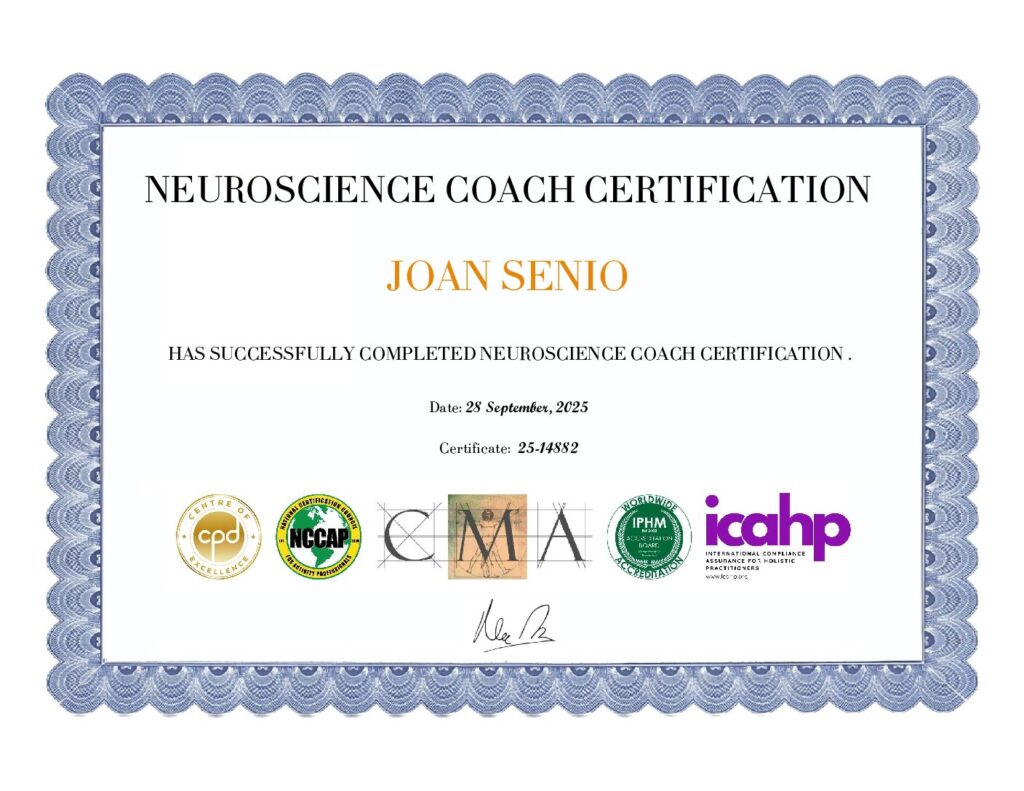
Joan Morabito Senio is the founder of Kindness-Compassion-and-Coaching.com. Joan’s career includes clinical healthcare plus 20+ years as an executive in a nationwide health care system and 15 years as a consultant. The common threads throughout Joan’s personal and professional life are a commitment to non-profit organizations, mental health, compassionate coaching, professional development and servant leadership. She is a certified Neuroscience Coach, member of the International Organization of Life Coaches, serves as a thought-leader for KuelLife.com and is also a regular contributor to PsychReg and Sixty and Me. You can read more about Joan here: Joan Senio.






No Responses