

Do you prefer solitude over social gatherings? Do networking events and team presentations cause a wave of anxiety to wash over you? If so, you are not alone. Introverts make up about 30-50% of the population. Today, we discuss secrets and strategies that can enable career advancement for introverts, including tips to help overcome challenges, the best careers for introverts, and more.
Is There Hope for Introverts?
The prevalence of open-plan offices, the emphasis on networking and socializing, and the expectation of constant collaboration can all create hurdles for those who thrive in quieter settings. However, being an introvert is definitely not a barrier to success.
With the right strategies and mindset, introverts can navigate the corporate world, pursue career development, and achieve their professional goals.
Are You an Introvert?
Do you know for sure that you fall on the introverted side of the spectrum? It’s important to figure this out as it can very much drive the strategies that are more likely to help you can thrive in your career.
Introverts gain energy from spending time alone. They tend to be quiet and reflective. Often, they feel drained by prolonged social interactions. Does this sound like you?
If you find yourself feeling most rejuvenated after a quiet evening at home with a good book or a deep conversation with a close friend, you may be an introvert.

The Best Careers for Introverts: How to Use Your Strengths
The best careers for introverts are those that align with their strengths, values, and interests, allowing them to flourish professionally while staying true to their introverted nature. Introverts thrive in environments that allow them to work independently, think deeply, and focus on tasks. They prefer limited external stimulation.
Careers that cater to these preferences include graphic design, software development, writing/editing, research analysis, and accounting. These fields are likely to provide careers advancement for introverts for several reasons. For one, they provide the opportunity to work autonomously. Second, they require creative or analytical work. Last, they allow introverts to contribute their unique perspectives without need for extensive social interaction.
Professions like counseling, coaching, and consulting can also be suitable for introverts who excel in one-on-one interactions.
Strategies for Career Advancement for Introverts
Some practical career advice for introverts and tips to increase the likelihood of career advancement for introverts include the following:
Leverage Your Listening Skills. Introverts are known for their ability to listen actively and thoughtfully. Listen attentively during meetings and conversations, making others feel heard and understood.
Build Meaningful Relationships. Introverts may prefer quality over quantity when it comes to relationships. Cultivate deep connections with colleagues and mentors. Focus on building genuine rapport and trust.
Embrace Remote Work Opportunities. With the rise of remote work, introverts can excel in roles that allow for more autonomy and independent work. Seize opportunities to work remotely. Showcase your ability to produce high-quality results.
Prepare for Social Interactions. While networking events may not be your forte, preparing in advance can help ease the anxiety. Have a few conversation starters ready. Set a specific goal for the event. Also, be sure to set aside time for recharging afterwards.
Seek Out the Best Careers for Introverts, and Introvert-Friendly Roles. Look for roles that align with your strengths, such as research-focused positions or roles that involve deep analysis and problem-solving.

Personal and Professional Development Strategies for Introverts
Personal and professional development strategies for introverts must harness their unique strengths and preferences. For example, comfort with solitude enables introverts to make good use of time devoted to reflection and self-discovery.
Other development strategies for introverts that align to these strengths include journaling, mindful meditation, and self-assessment exercises to gain clarity on their goals and values.
Introverts also thrive in one-on-one relationships with similar-minded people. Seeking out mentorship from trusted individuals can help introverts build a supportive professional network.
Honing communication skills, particularly in writing and public speaking, and seeking out opportunities for skill enhancement through online courses, workshops, and self-paced learning programs can further enable introverts to excel in their chosen career paths.
By leveraging their introspective nature, cultivating meaningful connections, and continually improving their skill set, introverts can achieve personal and professional growth in ways that honor their inherent strengths and inclinations.
Career Goals and Career Advancement for Introverts
Setting professional career goals is essential for guiding the growth and development of introverts in the workplace. Some potentially helpful career goals and areas of training focus for introverts may include:
- Participate in training to help enable appropriate assertiveness in a work setting.
- Complete coursework or attend workshops to further improve written and oral communications, to enhance their ability to express ideas and collaborate with colleagues.
- Initiate strategic connections on introvert friendly platforms such as LinkedIn to expand their support system and discover new opportunities for career advancement.
- Developing leadership skills by mentoring junior team members or pursuing leadership certifications or degrees.
Setting goals for continuous learning and skill development in areas that complement their strengths, such as critical thinking, problem-solving, or creativity, can also help introverts stay relevant and adaptable in a rapidly evolving work environment.
By focusing on these key areas of development and setting actionable career goals, introverts can chart a clear path towards personal and professional success while staying true to their introverted nature.

Frequently Asked Questions about Career Advancement for Introverts
1. How can introverts leverage their strengths in the workplace?
Introverts often possess valuable traits and soft skills such as deep thinking, the ability to listen actively and to focus on tasks for extended periods. These strengths can be leveraged in various ways, such as excelling in roles that require critical thinking, problem-solving, and creativity. By recognizing and showcasing these strengths, introverts can stand out in the workplace.
2. How can introverts build a professional network despite their tendencies towards solitude?
Networking can be daunting for introverts, but it is essential for career advancement. Introverts can start by building connections through smaller, more intimate settings such as one-on-one meetings or joining professional groups. By focusing on building meaningful relationships based on shared interests and goals, introverts can create a supportive network that can help propel their careers forward.
For more information, read Networking for Introverts: How to Make Real Connections.
3. How can introverts overcome the fear of self-promotion and advocating for themselves?
Self-promotion can be challenging for introverts who may feel uncomfortable drawing attention to themselves. To overcome this fear, introverts can focus on showcasing their accomplishments and skills in a more subtle and authentic way. This can include sharing success stories with colleagues, contributing thoughtfully to meetings, and seeking feedback from mentors to build confidence in their abilities.
4. How can those with introverted tendencies position themselves for career development?
When it comes to pursuing promotional opportunities, introverts can proactively seek out stretch assignments, projects that showcase their skills, and opportunities for professional development. By consistently demonstrating their capabilities and willingness to take on new challenges, introverts can position themselves as valuable assets and increase their chances of career advancement.
5. What strategies can lead to career advancement for introverts in leadership roles?
For introverts aspiring to leadership roles, developing effective communication skills, practicing active listening, and cultivating a strong presence are key strategies for success. By leading by example, fostering a supportive work environment, and leveraging their unique strengths, introverted leaders can inspire and empower their teams to achieve their full potential.

The Path to Career Advancement for Introverts
Introverts possess a unique set of strengths. Their ability to listen, think deeply, and focus intensely are valuable assets. There are a wide variety of fulfilling and rewarding careers for introverts to explore.
By embracing your introverted nature and leveraging your gifts, you have the power to carve out a fulfilling and impactful career path. Think about it this way: introversion is not a limitation but a superpower waiting to be unleashed.
Career advancement for introverts is not a one-size-fits-all journey. Success comes in many forms, and introverts have the power to make a lasting impact in their chosen fields with patience, persistence, and self-awareness. Go forward with confidence and watch as your unique perspective and talents propel you towards your full potential.
Thank you as always for reading.
Affiliate Disclosure: Some links in this post are affiliate links. As an Amazon Associate, we earn from qualifying purchases. Thank you for supporting Kindness-Compassion-and-Coaching.com at no cost to you.

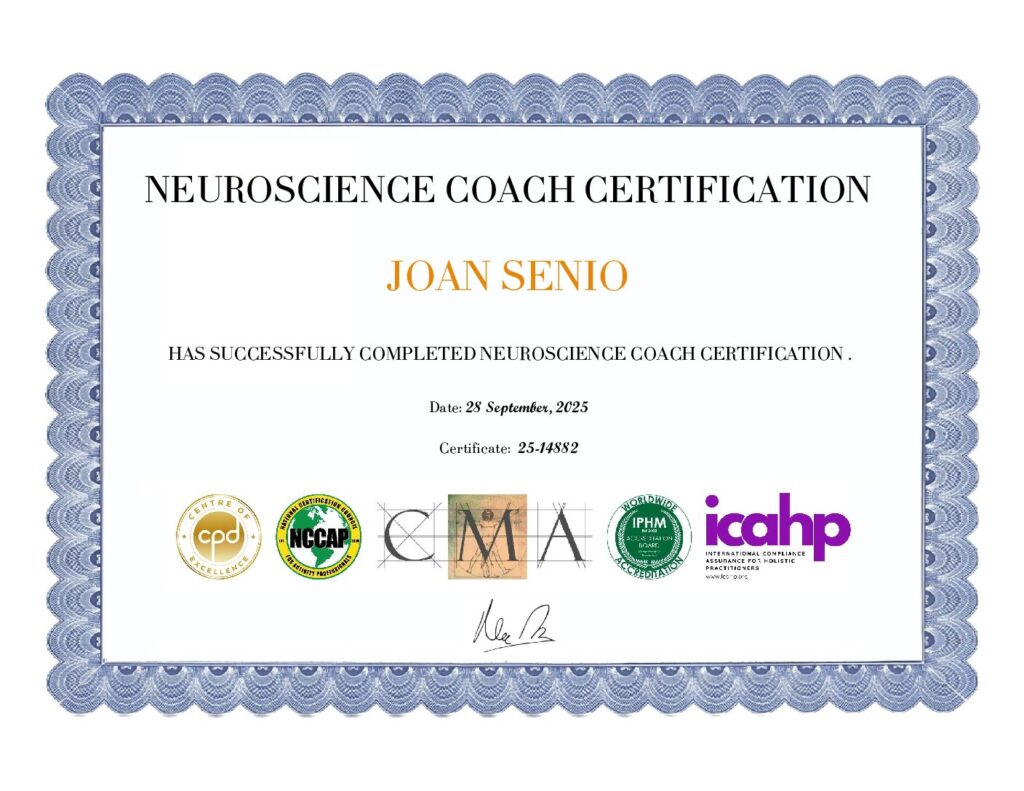
Joan Morabito Senio is the founder of Kindness-Compassion-and-Coaching.com. Joan’s career includes clinical healthcare plus 20+ years as an executive in a nationwide health care system and 15 years as a consultant. The common threads throughout Joan’s personal and professional life are a commitment to non-profit organizations, mental health, compassionate coaching, professional development and servant leadership. She is a certified Neuroscience Coach, member of the International Organization of Life Coaches, serves as a thought-leader for KuelLife.com and is also a regular contributor to PsychReg and Sixty and Me. You can read more about Joan here: Joan Senio.






No Responses