Do you feel weighed down by past regrets? Explore practical ways to forgive yourself, release guilt, and cultivate self-compassion.

Whether your heart was broken by a relationship, a loss, or a quiet goodbye that never felt complete, the pain can feel all-consuming. But healing is possible. Not through forced positivity or rushed advice, but through trauma-informed steps that honor your emotional truth.
We explore how to heal a broken heart with compassion, neuroscience-backed insights, and practical tools that support emotional recovery. Because you deserve more than just “moving on”. You deserve to feel whole again.

Clear, trauma‑informed explanation of the causes of martyr syndrome, linking early neglect, low self‑esteem, and learned coping patterns to chronic self‑sacrifice.

Clear, trauma informed signals that show someone slipping into chronic self-sacrifice. Learn seven subtle signs of martyr complex, reflect with short prompts, and try one action today.
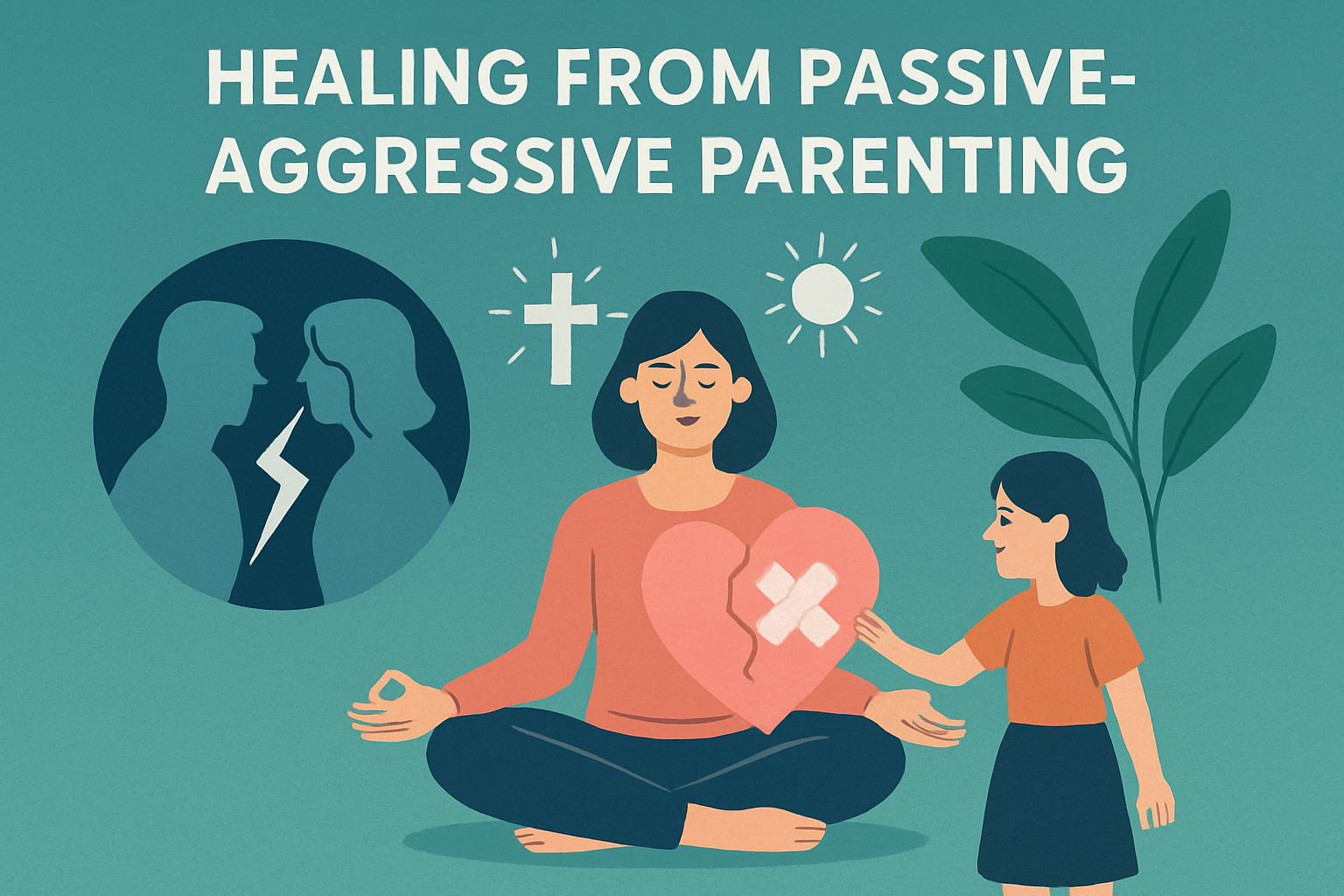
This trauma-informed guide helps adult survivors of passive-aggressive parenting identify patterns from a passive-aggressive mother or father, understand emotional and nervous system impacts, practice inner child healing, and set boundaries that protect well-being. Find practical exercises, product suggestions, and a month-long plan to support steady recovery.

Feeling overwhelmed at work is common. Many of us face too many meetings, deadlines, and tasks at the office. Although technology is often useful, it has exacerbated some of our challenges, too. For example, when many people have open access to our calendar. And there are many means to conduct meetings. These changes and more […]

Trauma can erode our ability to treat ourselves kindly. Read on to discover trauma-informed self-compassion through targeted self-compassion exercises that offer safety, warmth, and real tools for healing.

Self-awareness is the art of turning your attention inward, noticing your thoughts, feelings, and patterns without judgment. When you deepen your understanding of who you are, you create a solid foundation for growth and resilience. In this post, you’ll discover a varied collection of self-awareness activities for women to help you reach new levels of […]

Unresolved childhood trauma often lingers quietly beneath the surface, shaping emotions, behaviors, and relationships long into adulthood. From persistent anxiety and self-sabotaging patterns to physical tension and difficulties with trust, these signs are not flaws but echoes of unmet needs from the past. Recognizing them is an act of courage and self-compassion. By bringing hidden wounds into the light, you open the door to healing, growth, and a kinder relationship with yourself. This guide explores the emotional, behavioral, physiological, cognitive, and relational indicators of unresolved trauma, while offering practical pathways to help you move toward wholeness.
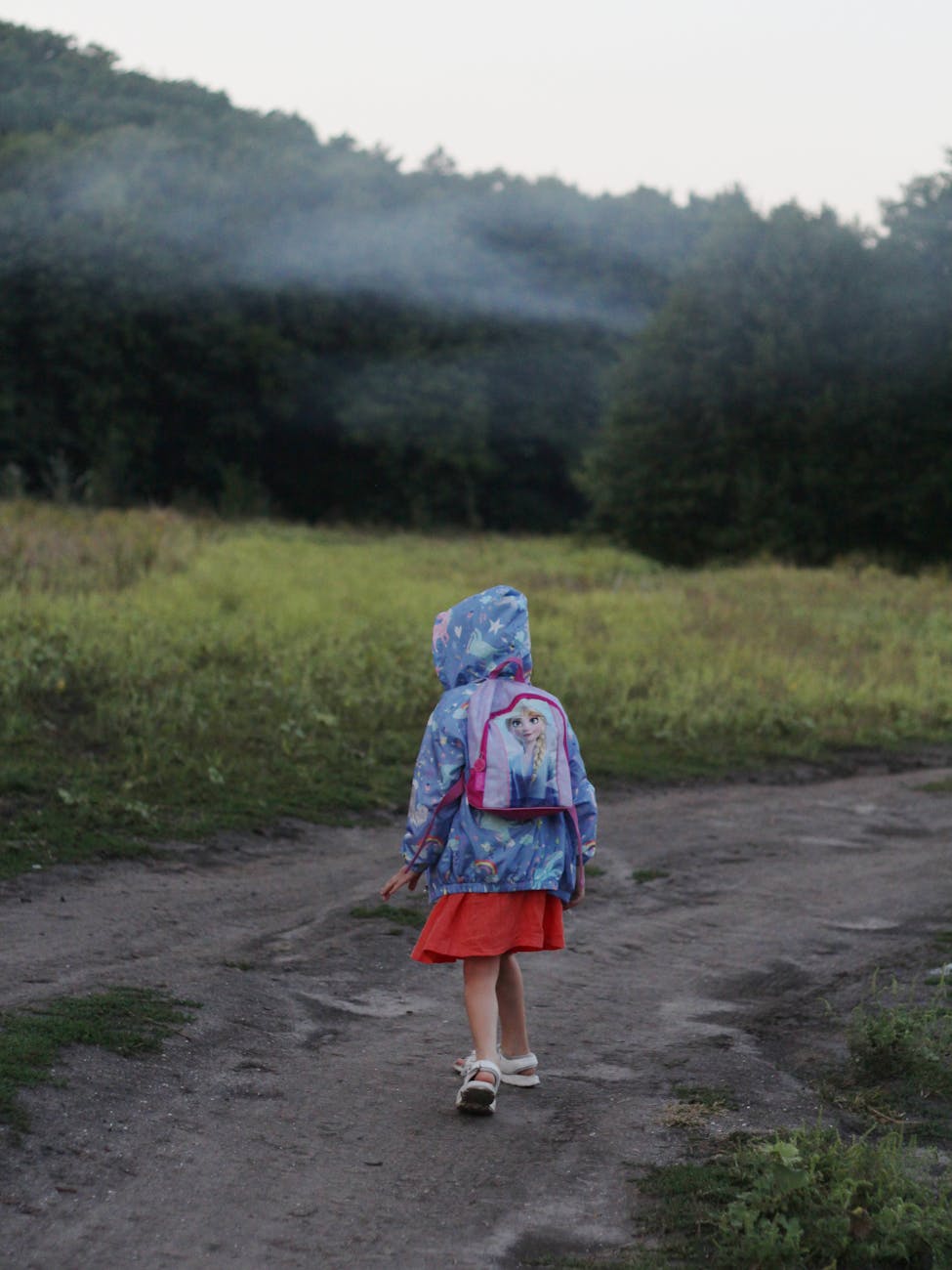
Many of us carry echoes of childhood experiences that quietly shape how we think, feel, and relate as adults. These wounds don’t simply disappear; they often resurface as self-doubt, perfectionism, or difficulty setting boundaries. Inner child healing exercises offer a compassionate path to reconnect with those tender parts of ourselves, rewriting old narratives with kindness and care. From guided journaling and mirror work to somatic practices and creative expression, this guide provides practical tools to help you nurture emotional safety, honor your pace, and build a more loving relationship with yourself. Healing entails remembering that your inner child is precious, worthy, and deserving of comfort.