Self-esteem in relationships isn’t just about how we feel about ourselves. It’s about how safe we feel being seen, heard, and valued. This post explores how self-worth shapes communication, boundaries, emotional safety, and intimacy and offers strategies to build healthier, more secure connections. Whether you’re navigating conflict, seeking deeper trust, or healing old patterns, this guide helps you strengthen self-esteem from the inside out and within your closest relationships.

Our nervous system plays a critical role in how we experience self-esteem. Nervous system regulation largely drives whether we feel confident, afraid, or shut down. Read on to learn how to influence your nervous system and in the process, achieve healthier self-esteem.

The inner critic forms in unsafe environments, its goal to protect us from harm. Unfortunately, as adults, the lessons of the inner critic no longer apply, and they can undermine our self-worth. Luckily, if we know how, we can transform the inner critic into a loving inner protector who fosters self-compassion within us and ultimately allows us to experience healthier self-esteem.

Spiritual awakening is rarely a single moment. It unfolds in stages, each one revealing new layers of insight, discomfort, and transformation. Today, we explore the stages of spiritual awakening through a compassionate, grounded lens, helping you understand where you are, what you’re experiencing, and how to move forward with steadiness and self‑trust.
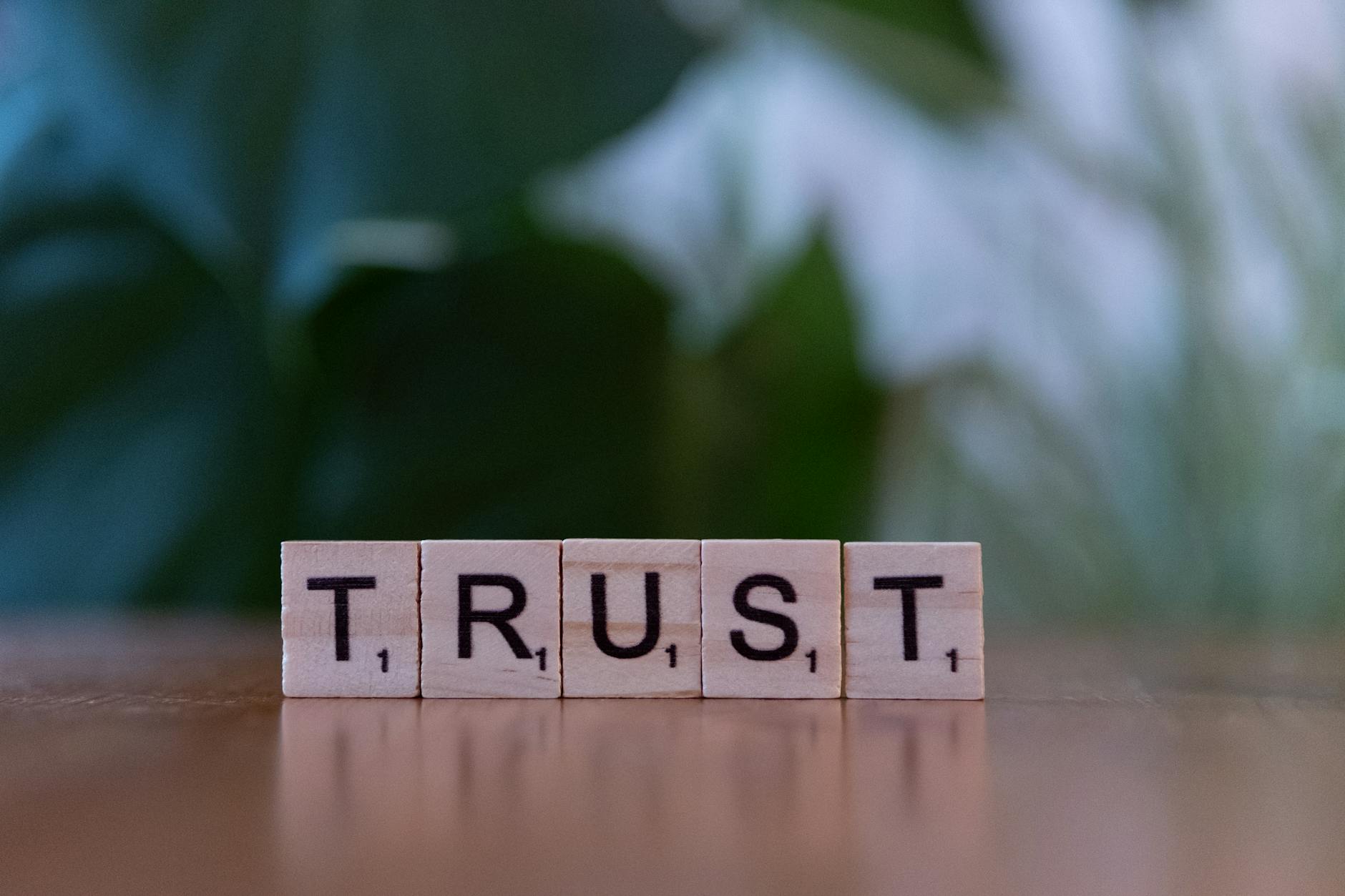
Self‑trust grows through micro‑promises and gentle consistency that teach your nervous system you can rely on yourself again.
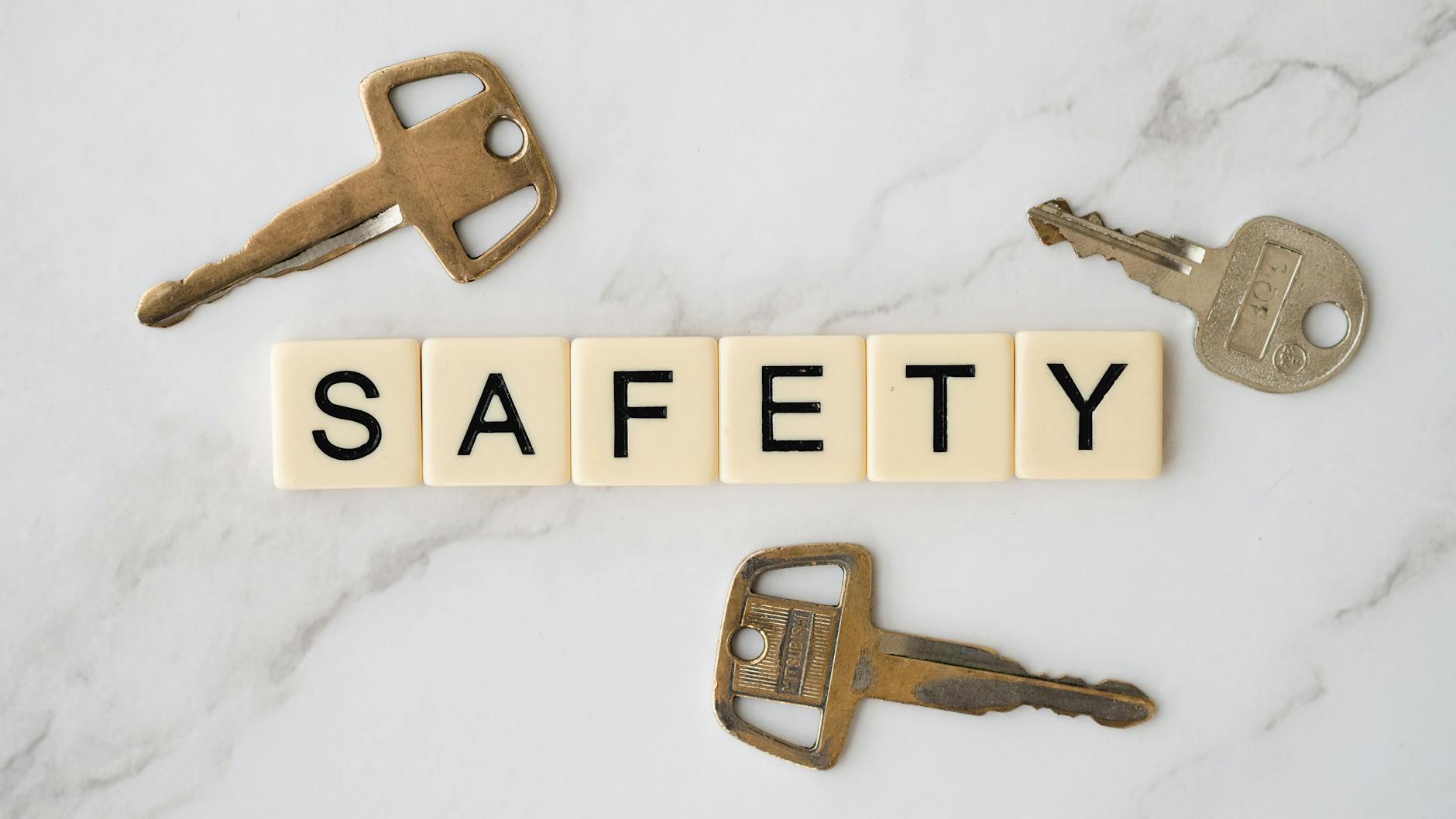
Psychological safety in relationships forms the foundation of self‑esteem, shaping how you understand your needs, emotions, and sense of worth.

When closure isn’t possible, healing can feel confusing and unfinished. This guide offers compassionate, practical steps on how to move on with clarity, self‑trust, and emotional resilience.

Self‑esteem psychology reveals how emotional safety, self‑trust, and identity shape your internal sense of worth and capability.

Have you ever wondered “Do I Have Arrested Development?” Many adults feel emotionally younger than their chronological age due to trauma, neglect, or unmet developmental needs.
This article explains why it happens, how it shows up, and how to begin healing with compassion.
Healthy self‑esteem isn’t about constant confidence or positive thinking; it’s about developing a consistent, grounded sense of worth that can withstand stress, mistakes, and the complexities of real relationships. This series explores the deeper foundations of self‑esteem, showing how emotional safety, nervous system regulation, identity scripts, and self‑trust shape the way we see ourselves. You’ll learn practical, repeatable skills that help rebuild self‑worth from the inside out.